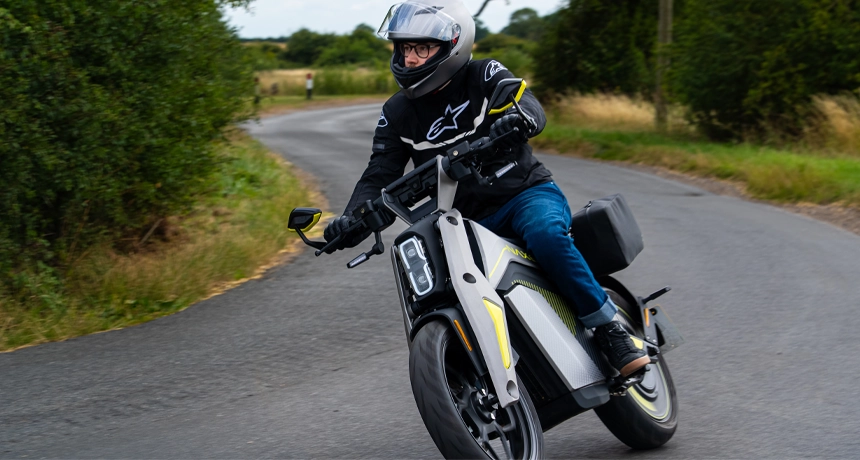
If you’re looking at making the switch to electric, there’s a good chance you’ve noticed just how many options are out there now. You’ve got e-bikes for the commute, electric mopeds for town work, and full electric motorcycles that are properly capable bits of kit in their own right, as I experienced taking the Zero XP Concept up the Hillclimb at the Goodwood Festival of Speed recently!
The confusing bit is that they don’t all fall into the same legal category. Some are treated pretty much like a normal bicycle, while others are treated as proper motor vehicles ...just without internal combustion.
That’s where riders can get caught out, especially when a bike looks like an e-bike, is sold like an e-bike, but doesn’t actually meet the rules for one. So, let’s keep it to the stuff you need to know before buying, insuring, or heading out on the road!
Quick answer: Are electric motorcycles road legal in the UK?
Yes, they can be, but it all comes down to what you’re actually riding; if it’s a legal EAPC (Electrically Assisted Pedal Cycle), you shouldn’t need a licence, insurance, tax or registration, but if it’s an electric moped or motorcycle, then you’re into proper road-going vehicle territory, which means the correct licence, insurance, tax, registration and, once it’s old enough, an MOT.
Where people can get caught out is when an e-bike has been derestricted, modified or imported; despite looking like every other e-bike on the outside, legally it could be treated as a motor vehicle.
EAPC vs Electric Motorcycle: What’s the Legal Difference?
This is the bit I’d pay the most attention to, especially if you’ve bought one of the many e-bikes available online nowadays and aren’t totally sure if it’s road legal. The first question isn’t really ‘how quick is it?’, it’s ‘what is it classed as?’.
An EAPC is treated much more like a normal pedal cycle, whereas an electric moped or motorcycle is legally treated as a motor vehicle. That one difference is what decides whether you can ride it like a bicycle, or whether you need the road-legal side of things sorted before you head out.
What Counts as an EAPC?
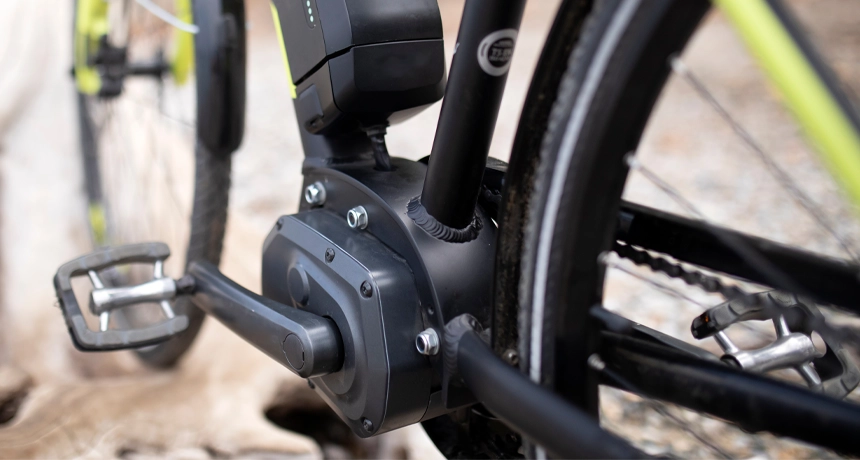
EAPC stands for Electrically Assisted Pedal Cycle, which is the legal term for what most of us would simply call an e-bike. It still needs to be a pedal cycle first, with the motor helping rather than taking over completely.
In the UK, it needs pedals that can propel it, a motor with a maximum continuous rated power of no more than 250 watts, and assistance that cuts off at 15.5 mph. Oh, and you also need to be at least 14 to ride one.
When Does an Electric Bike Become an Electric Motorcycle?
Things change when the bike steps outside those limits. If it can be propelled by the motor above 15.5mph, has a motor with a maximum continuous rated power above 250 watts, doesn’t have pedals that can actually propel it, or otherwise falls outside the EAPC rules, it’s likely to be treated as a motor vehicle instead.
That’s where the legal side changes quite a lot, as you’re then looking at registration, insurance, tax, the right licence and an approved motorcycle helmet. Once the vehicle is three years old, it will usually need an MOT as well.
The Requirements
The Simplified Explanation
- L1e-B is the category most road-legal electric mopeds fall into; they’re designed for speeds of up to 45km/h, or around 28mph, making them popular for commuting, town riding and delivery work.
- L3e-A1 is the learner-friendly light motorcycle category, sitting in roughly the same licensing space as a 125cc petrol motorcycle.
- L3e-A2 steps things up for riders with an A2 licence, while full Category A is the unrestricted motorcycle end of the market.
What Licence Do You Need?
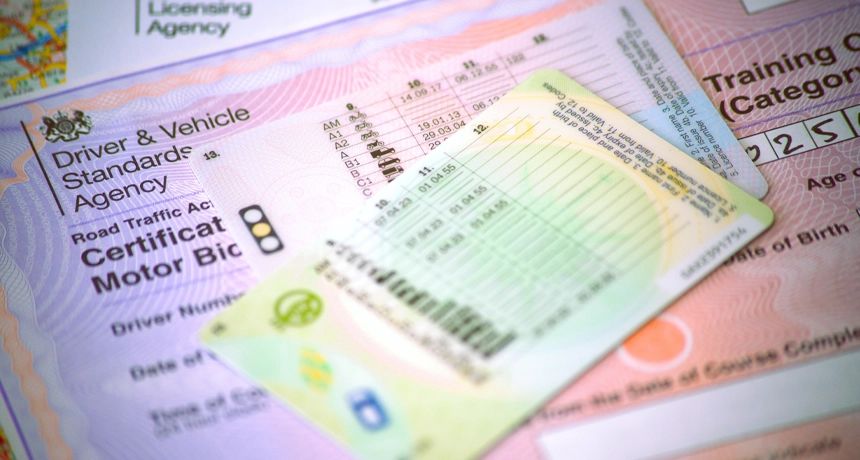
The licence question comes back to the category of the bike. If it’s a legal EAPC and you’re 14 or over, you don’t need one. If it’s an electric moped, scooter or motorcycle, you’ll need the right licence or entitlement before riding it on the road.
If you’re riding on a CBT, don’t forget that the usual restrictions still apply. That normally means L plates, no pillion passengers and no motorways, with the CBT lasting two years unless you pass the relevant full test before then.
One exception worth mentioning - if you passed your car driving test before the 1st of February 2001, you may already have moped entitlement on your licence, so it’s worth checking your categories before booking training or buying a bike!
Do you have to insure an electric motorcycle or scooter?
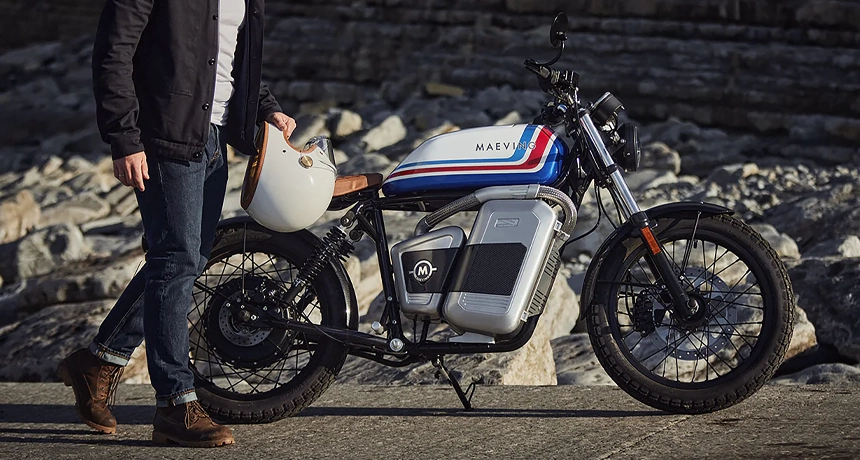
Yes. For riders using an electric moped, scooter or motorcycle on public roads, insurance isn’t optional: third-party motor insurance is the legal minimum before you ride, just as it is with a petrol moped, scooter or motorcycle.
What does the current UK legislation say?
Third-party cover is the legal minimum because it protects other people if you injure someone or damage their vehicle or property, but you’ll also need the correct licence or CBT entitlement, tax, registration, a number plate and an approved motorcycle helmet, with an MOT once the bike is old enough.
Do EAPCs Need Motorcycle Insurance?
If your bike is a legal EAPC, then no, you won't need motorcycle insurance because it's treated much more like a normal pedal cycle than a ‘motor vehicle’. That also means you won't need road tax, registration or a number plate to ride it on public roads.
The important bit is making sure it actually qualifies as an EAPC because if it falls outside those rules, whether through design or because it's been modified, it could instead be treated as an electric moped or motorcycle, meaning insurance and the usual legal requirements would then apply.
What’s different about insuring an electric motorcycle or scooter?
Insuring an electric motorcycle or scooter is similar to covering a petrol bike, but there are some differences to be aware of. The battery can account for a large part of the bike’s value, and specialist repairs or replacement parts may affect how insurers provide cover.
Why can some insurers approach EVs differently?
Electric bikes are naturally still evolving, so insurers may consider factors such as repair costs, parts availability, and claims experience when assessing risk, which means cover and pricing can vary between providers.
Why specialist electric bike insurance matters
Lexham specialises in Electric Motorbike & Moped Insurance, which means we understand electric mopeds, scooters and motorcycles, the way they’re used, and the cover questions that are specific to EVs.
If your bike is classed as an electric moped or motorcycle, suitable insurance needs to be in place before you ride. So, grab your quote with Lexham today!
Tax, MOT & Registration Rules
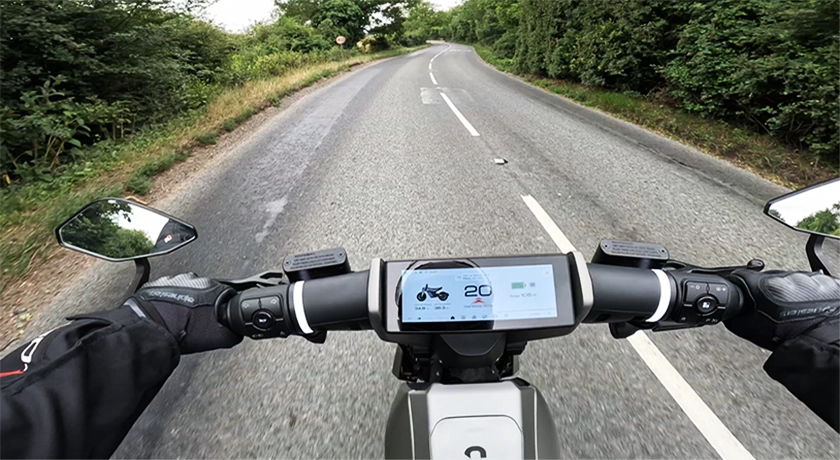
Once an electric two-wheeler is classed as a moped or motorcycle, the paperwork starts looking familiar if you’re used to petrol bikes. Registration, tax, insurance, number plates and MOTs all come into the picture, even if there’s no petrol engine involved.
Road Tax
Since April 2025, electric motorcycles and tricycles haven’t been exempt from Vehicle Excise Duty, better known as road tax, and the amount you’ll pay will depend on the government’s current rates.
MOT
For electric mopeds and motorcycles, an MOT is usually needed once the vehicle is three years old, as tyres, brakes, lights, steering and general roadworthiness still matter.
Number Plates
If the bike is registered as a moped or motorcycle, it needs a number plate. It also needs to follow the usual DVLA rules around plate size, character spacing, font style and reflective material, even if a tiny plate might look better tucked away on the back.
DVLA Registration
A non-EAPC electric bike, moped or motorcycle used on the road needs to be properly registered. If it was first used after January 2016, it will also usually need to be type-approved or individually approved before it can be registered.
If you’re buying new, the dealer or importer should be able to explain this clearly, and if you’re buying used, imported or something unusual, it’s worth checking before handing over any money.
Illegal Electric Bike Modifications Explained
This is probably where electric bikes cause the most confusion. A bike can start life as a legal EAPC, but once it has been derestricted, fitted with different kit or given a faster mode, it might no longer count as one.
That’s the important bit. It might still look like an e-bike to you and me, but if it no longer meets the EAPC rules, the law can see it as a motor vehicle instead. That can bring licence, insurance, registration, tax and MOT requirements with it.
Types of Illegal Modifications
There are a few common ways riders can end up outside the EAPC rules, sometimes without meaning to. It isn’t always as simple as ‘I only use the fast mode off-road’, either and below are some examples of illegal modifications:
- Derestricting speed limiters so the motor assists above 15.5mph
- Increasing motor power beyond the 250W continuous rated EAPC limit
- Throttle conversions or ‘Twist and Go’ setups that have not met the required approval route where needed
- Modified Sur-Ron style bikes being used on public roads without registration, insurance, tax or the right licence
- ‘Off-road’ mode settings that let the motor propel the bike above 15.5mph
- The ‘off-road’ mode point is worth being clear on too. Gov.uk guidance says “Vehicles that have this feature do not, in our opinion, comply with the EAPC regulations and are considered motor vehicles.” A disclaimer or menu option doesn’t automatically make it road legal.
Consequences of Illegally Modifying Your Electric Bike
If your electric bike has been modified beyond EAPC rules and you use it on public roads without the right paperwork, it could be treated as an uninsured, unregistered and untaxed motor vehicle, possibly leading to fines, points and seizure.
If you want something quicker or more powerful, the safer route is to buy a road-legal electric moped or motorcycle and insure it properly, rather than trying to turn an e-bike into something it was never meant to be.
Electric Motorcycle Laws FAQs
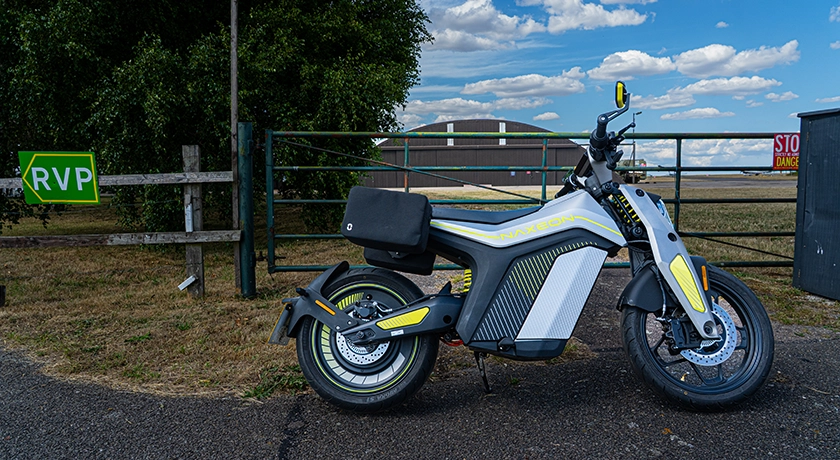
Do I Need Insurance for an Electric Motorcycle?
Yes. If it’s classed as an electric motorcycle or electric moped and you’re riding it on public roads, you need a minimum of third-party cover.
Do I Need a Licence for an Electric Bike?
Not if it’s a legal EAPC in the UK and you’re 14 or over; however, if it falls outside the EAPC rules, then it’s treated as a motor vehicle, and you’ll need the correct licence.
Are Electric Bikes Road Legal in the UK?
Yes, as long as they meet the EAPC rules.
In simple terms, that means proper pedals, no more than 250W continuous rated power, assistance cutting off at 15.5mph, and clear manufacturer and motor information on the bike.
Can I Ride a 1000W Electric Bike Legally in the UK?
Not as a normal EAPC on public roads because a 1000W electric bike is above the EAPC power limit, so it won’t qualify as an EAPC. If you want to use it on public roads, it’ll generally need to meet the legal requirements for the category it’s classed in.
Do Electric Motorcycles Need MOTs?
Usually, yes, once they are three years old and registered for road use.
Are Modified Electric Bikes Illegal?
If a modification takes the bike outside the EAPC rules, it may be treated as a motor vehicle instead, and if you then use it on public roads without meeting the legal requirements, you could be committing an offence.
Can an EAPC Have a Throttle?
Yes, but it’s worth checking properly before buying, as ‘Twist and Go’ cycles can technically be EAPCs if they meet the EAPC regulations, but newer ones also need the right approval before road use. If you’re wondering about walk assist, where the speed doesn’t go above 3.7mph, that is separate.
The Last Stop!
So, there we have it. Hopefully that makes the legal side of electric motorcycles, mopeds and EAPCs easier to get your head around.
The key thing to remember is the category of the bike; a legal EAPC is very different from an electric moped or motorcycle, and a small change can be enough to move it into a different legal category.
If the bike you choose is an electric moped, scooter or motorcycle, don’t forget about insurance, so grab your Electric Motorbike & Moped Insurance quote with Lexham today.
Thanks for reading, ride safe, and we’ll catch you on the next one!