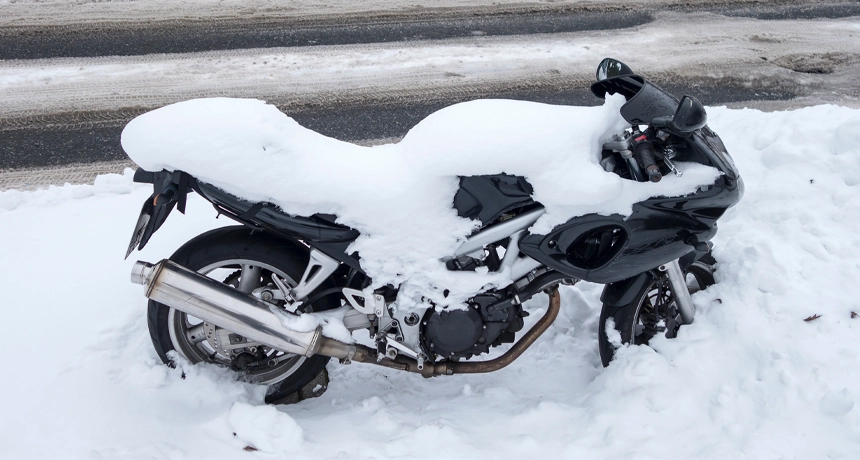
If you ride all year round in the UK, bad weather is inevitably going to happen sooner or later, whether that means rain, fog, high winds, sleet, snow or, if you’re really unlucky, one of those days where it feels like you get every season in one.
I spent seven years, perhaps more, without a car, relying on two wheels through every season for the daily commute and general transport, and while you do learn a lot from riding through seven winters, summers, springs and autumns, you also learn pretty quickly that poor conditions deserve respect, care and greater judgement.
I even had one winter commute where my jacket turned white with ice on the way to work, so this guide is very much written from experience rather than theory!
Let’s get into it.
Quick Answer | How Should You Ride a Motorcycle in Bad Weather?
In bad weather, ride slower than usual, keep every input smooth, increase your distance and scan well ahead for hazards such as standing water, painted road markings, diesel spills, ice, spray and debris.
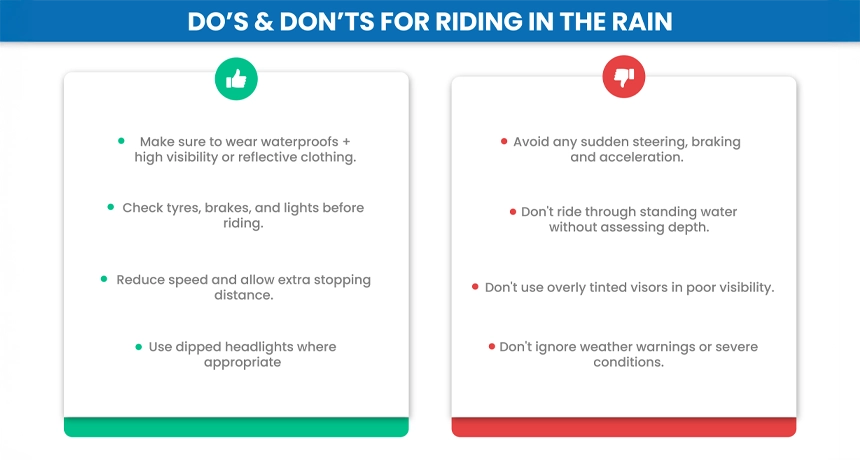
Before setting off, don’t forget to check the forecast, make sure your tyres, lights, brakes and visor are in good condition, and wear kit that keeps you warm, dry, protected and visible.
How Do You Ride a Motorcycle Safely in the Rain?
Why Rain Is the Biggest Risk for Riders
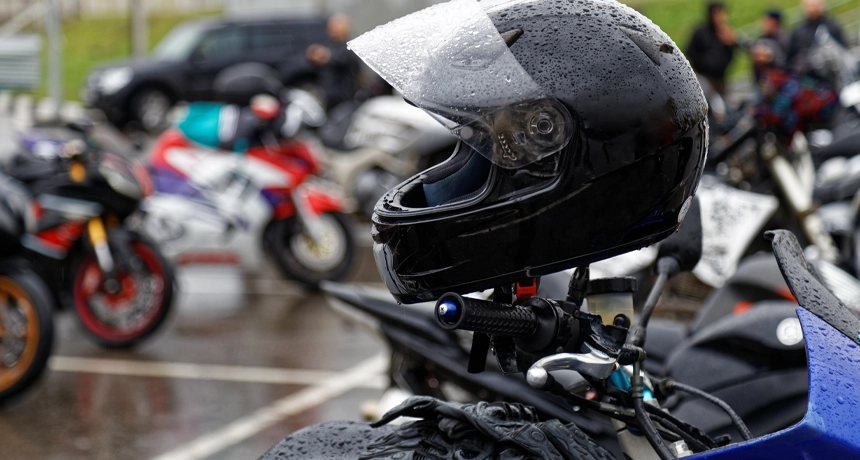
Rain is probably the bad-weather condition most UK riders will deal with regularly, and it's also one of the areas where riders can become a bit too relaxed as we just see so much of it!
The road will obviously have less grip, spray makes it harder to see, drivers may not spot you as easily, and the first rain after a dry spell can bring slippery oil, diesel and grime to the surface whilst also possibly hiding potholes or other hazards.
If, like me, you ride in rural areas, rain can also cause localised flooding and wash more dirt and mud from fields onto the road.
Increase Stopping Distances on Wet Roads
In wet weather, your stopping distance can be at least double what it would be on a dry road and possibly even longer if you don’t have ABS, with Bosch going as far to state “1/4 of all relevant accidents could be addressed if every powered two-wheeler was equipped with ABS”, so I'd immediately increase the gap to the vehicle in front and avoid riding too close to traffic.
If you normally think in terms of a two-second gap, wet roads are the time to give yourself much more than that!
Avoid Slippery Road Markings, Drain Covers & Petrol Spills
Painted lines, drain covers, manhole covers, metal plates, and fuel spills can all become much slipperier when wet, so try to avoid leaning, braking, or accelerating hard over them; if you do have to cross them, try to keep the bike as upright as possible and stay smooth on the throttle.
Improve Your Visibility in the Rain
Rain and road spray can make a rider disappear surprisingly quickly to other road users, so make sure your lights are clean and working (as it’s amazing how much a bit of dirt can dim them), keep your visor clear and scratch-free, and consider reflective or high-visibility clothing, although I wouldn't rely on bright kit alone, as you should still ride as if other road users might not have seen you.
What Should You Wear Whilst Riding in the Rain?
Waterproof motorcycle clothing makes a huge difference, not just because it keeps you dry, but because being cold and soaked can quickly affect your concentration and the feeling in your hands to operate the brakes and clutch, although do bear in mind that waterproof ‘over-clothing’ is just a waterproof layer to go over your protective gear.
I’d recommend a waterproof over-jacket, trousers, gloves and boots, along with an anti-fog visor insert such as a Pinlock if your lid tends to steam up.
How Should Scooter Riders Adapt to Riding in Wet Weather?
Scooter riders should be just as cautious in the wet, particularly on smaller wheels, painted junction markings and greasy roads, so keep your speed sensible, avoid sudden throttle movements and excessive leaning, leave more room to stop and be careful when putting a foot down on slippery surfaces at junctions, especially if there is diesel or oil.
How Do You Ride a Motorcycle Safely in Fog?
Making Yourself Visible in Fog
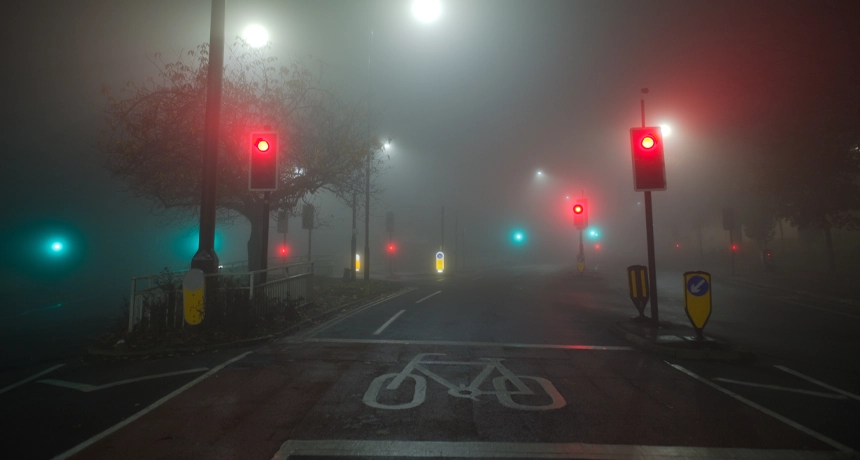
Fog can be especially awkward on a motorcycle, only made worse at night because it reduces how far you can see and how easily other drivers can see you, so keep your lights clean, use sensible road positioning and avoid sitting in blind spots, but don't assume that lights or high-vis kit mean you've definitely been noticed.
Using Your Lights Correctly | When Should You Use Fog Lights?
You must use headlights when visibility is seriously reduced, which generally means when you cannot see more than 100 metres ahead. If your bike has auxiliary lights, use them only when visibility is seriously reduced and switch them off again when conditions improve, as they can dazzle or confuse other road users.
Dealing With Reduced Visibility
Slow down enough that you can stop within the distance you can actually see to be clear, and avoid being tempted to follow the tail lights of the vehicle in front too closely, because fog can hide junctions, bends, pedestrians, standing traffic and surface hazards until you're much nearer to them than normal.
How to Know When Visibility Is Too Poor to Continue Riding
If you're struggling to see the road layout, junctions, signs or vehicles ahead in enough time to react, visibility is likely too poor to carry on comfortably or safely. At that point, finding somewhere safe to stop and wait for conditions to improve is often the most sensible call.
Can You Ride a Motorcycle in the Snow?
Understand Grip Levels on the Snow
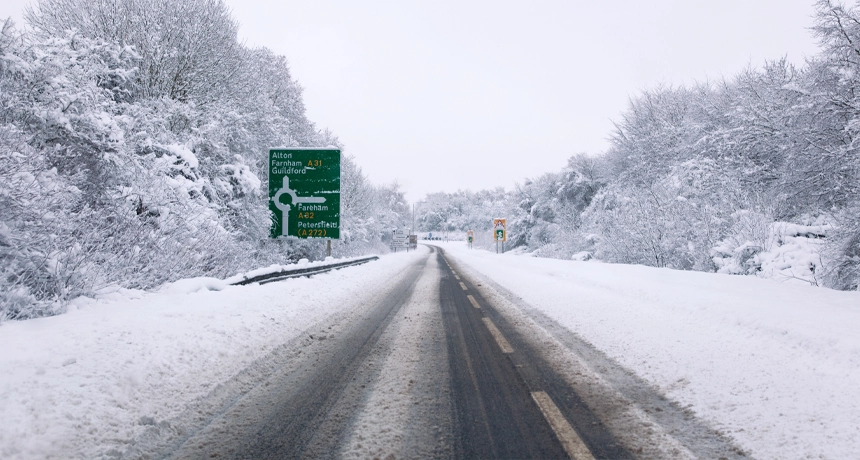
Snow can leave you with very little grip, especially if it has been compacted by traffic or is hiding ice underneath, and personally, I wouldn't treat snowy roads as normal winter riding; it's a completely different level of risk, especially on two wheels and is best avoided. That comes from experience, as I came off in the snow in 2018!
Smooth Acceleration, Braking & Steering
If you absolutely have to ride in light snow, everything needs to be done gentler than usual, so seriously reduce your speed, roll on the throttle smoothly, avoid sharp steering, keep the bike upright where possible and use the brakes carefully, because a sudden input can quickly overwhelm the grip available, even on something like a 125cc.
How to Plan a Safe Route During Snowfall
Check the forecast before you leave, avoid untreated rural roads where possible by using the Government’s road gritting route finder by postcode and think carefully about hills, exposed routes and areas that are likely to freeze, because main roads may be clearer, but they also bring more traffic, spray and pressure from other drivers, so planning still matters.
When Does Riding in the Snow Become Too Risky?
Once snow is settling on the road, visibility is poor, temperatures are dropping, or you suspect ice may be forming, I'd seriously question whether the ride is worth it. For most riders, especially beginners, proper snowfall is a good reason to avoid riding unless the journey is genuinely essential.
Is It Safe to Ride a Motorcycle on Ice?
Why Is Black Ice Dangerous?
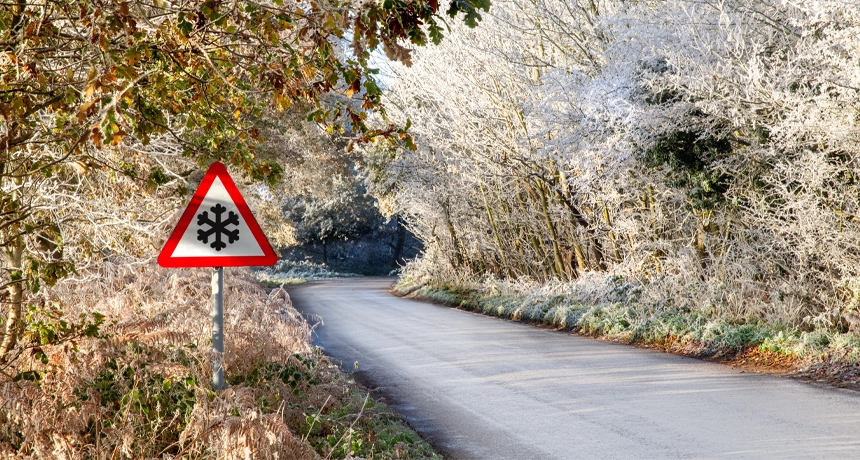
Black ice is dangerous because it can be almost impossible to spot until you're already on it, and by then there may be very little grip available. On a motorcycle or scooter, that can turn a normal-looking corner, roundabout or shaded stretch of road into a serious hazard.
How to Identify Areas Where Ice Has Formed?
Ice is more likely to form on shaded roads, bridges, rural lanes, untreated surfaces, exposed areas, dips in the road, and anywhere water tends to sit. Early mornings and late evenings are obvious times to be cautious, but shaded patches can stay frozen long after the rest of the road looks fine.
What Should You Do if You Encounter Ice on the Road?
If you realise you're on ice, avoid panic braking or making sudden steering inputs, keep the bike as upright as possible, ease off smoothly and let the bike roll through if you can. The honest answer, though, is that you really don't want to be finding out how to deal with ice while you're already on it, which is why avoiding those conditions in the first place is usually the better decision.
Situations Where You Should Leave the Bike at Home
If ice is forecast, temperatures are below freezing, roads are untreated, or you can already see frost and frozen patches before setting off, leaving the bike at home is often the most sensible option. No journey is improved by ending up sliding down the road because you felt you had to prove a point!
How Should You Ride a Motorcycle in High Winds?
Understanding What Crosswind Is & the Dangers
A crosswind is wind blowing across your path rather than straight into you or behind you, and it can push the bike sideways, especially on exposed roads, bridges, open country lanes and when passing gaps between buildings or hedges. The danger is that gusts can arrive suddenly, so leave yourself space and try not to ride too close to kerbs, traffic or roadside furniture.
Positioning Yourself Correctly on the Road
Give yourself a little more room than usual so that, if a gust does move you across your lane, you've still got space to correct it smoothly, and try to avoid hugging the edge of the road in strong winds, because it leaves you with fewer options if the bike gets pushed around.
Overtaking Large Vehicles Safely
Large vehicles can shield you from the wind and then suddenly expose you to it again as you pass, which can catch you out if you're not ready. If you do overtake, make sure you have plenty of room, avoid lingering alongside the vehicle and be prepared for the bike to move as the airflow changes.
Preparing Yourself for Sudden Gusts of Wind
Keep your grip relaxed rather than fighting the bars, bend your elbows slightly and look where you want to go rather than staring at the gust itself. Strong winds are tiring too, so if you're getting tense or constantly being moved around, taking a break can be considerably safer than trying to push through.
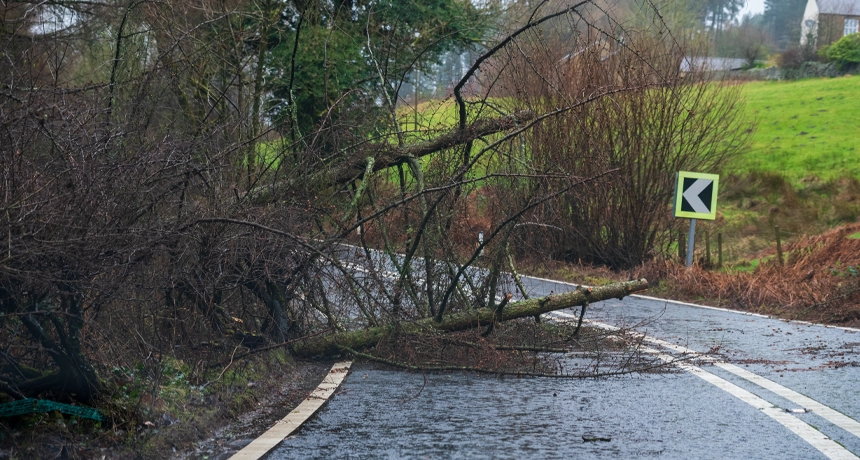
High winds can also bring hazards onto the road rather than just moving the bike around, so keep an eye out for falling or fallen branches, fallen trees, bins, signs, loose fencing, leaves and other debris, especially after storms or on rural roads lined with trees, and especially on blind bends. If the road ahead looks blocked or littered with debris, slow down early, give yourself time to assess it properly and avoid swerving at the last second or entering the other lane without careful observation.
What Should You Do When Riding in Sleet and Hail?
Changes in Visibility
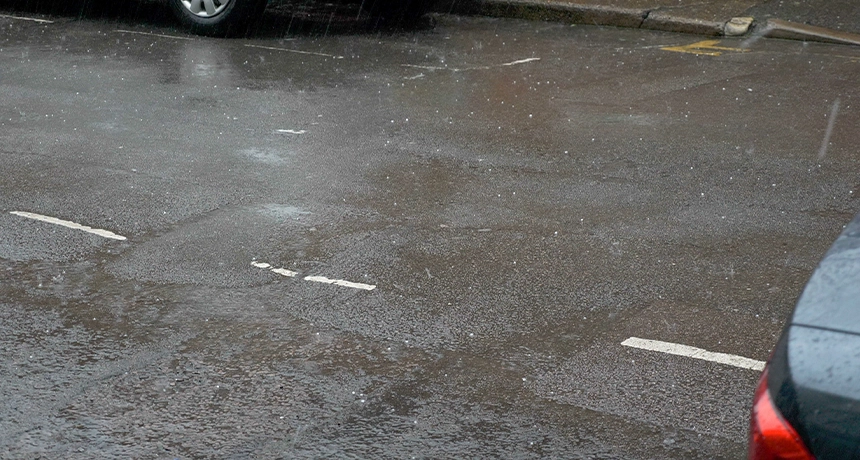
Sleet and hail can reduce visibility very quickly, especially if it starts bouncing off your visor or building up on the road surface, so slow down early, keep your visor as clear as possible and avoid riding faster than the conditions allow just because the road looked fine a few minutes ago.
Reducing Grip Levels
Grip can change dramatically during sleet or hail, particularly if temperatures are close to freezing, so treat it like a warning sign, keep the bike upright where you can and avoid hard braking, sharp steering or sudden throttle inputs.
Making Sure to Check Weather Alerts & Plan Routes Accordingly
Before riding in colder months, check weather alerts and think about the route rather than just the destination. Exposed roads, bridges, higher ground and untreated lanes can all become much more difficult when sleet or hail arrives, so a slightly longer but safer route may be the better choice.
Making Sure You Know When to Stop & Seek Shelter
If hail is heavy, the road starts whitening over, or you can't see properly through your visor, finding somewhere safe to stop is usually the smart call, and I've learnt over the years that bad weather rarely rewards stubbornness, so sometimes ten minutes under cover is the difference between carrying on safely and making a poor decision.
What Equipment Helps When Riding in Bad Weather?
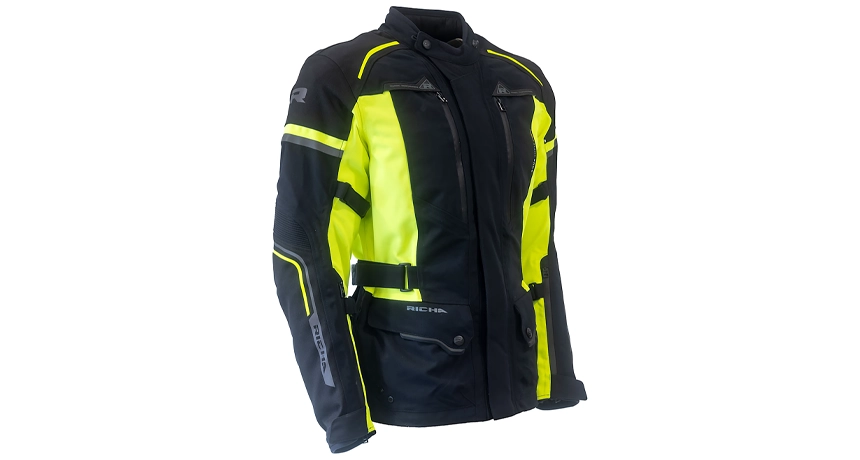
Waterproof Motorcycle Clothing
Waterproof clothing is one of those things you only truly appreciate after a few miserable rides where rain has found its way through every gap it possibly can, because once you're cold, wet and uncomfortable, your concentration can start to disappear along with your patience.
A decent waterproof jacket, trousers, gloves and boots will not make bad weather enjoyable exactly, but they can make it much more manageable, especially if you're commuting, riding for work or spending several hours on the road.
Anti-Fog Visors and Inserts
An anti-fog insert such as a Pinlock, treated visor or decent ventilation setup can make a huge difference in poor weather, as there are few things more frustrating than doing everything else right only to find your visor steaming up every time you slow down.
It is worth sorting this out before winter properly arrives, because trying to fix a fogged visor at the roadside in rain or freezing wind is not exactly ideal!
Heated Grips and Heated Clothing
Heated grips, heated gloves or heated clothing are not essential, but if you're riding through winter regularly, they can turn a genuinely unpleasant ride into something far more bearable.
After seven winters on two wheels, I would put warm hands very high on the list, because once your fingers are cold, it becomes harder to operate the controls smoothly, and smooth control is exactly what you need in bad weather.
High-Visibility Riding Equipment
High-visibility or reflective clothing can help other road users spot you sooner in rain, fog and dull winter light, although I would still treat it as an extra layer rather than a guarantee.
In other words, wear visible gear if it suits your riding, but continue riding defensively, keep your lights clean and never assume that someone has seen you just because your jacket or backpack stands out.
Waterproof Luggage and Phone Protection
If you rely on your phone for navigation, music, calls or delivery apps, keeping it dry and charged becomes more than just a convenience, so a waterproof phone case, secure mount and proper charging setup are all worth thinking about.
Waterproof luggage is also useful if you're carrying work gear, spare layers or personal items, because there is nothing quite like arriving somewhere to discover everything in your bag is now damp as well…
When Should You Avoid Riding Altogether?
Severe Weather Warnings
If there is a severe weather warning in place, especially for wind, ice, snow, flooding or dangerous travel conditions, I would seriously question whether the ride needs to happen at all. Sometimes the safest riding decision is made before you have even put your helmet on, because no amount of confidence or experience changes the fact that two wheels are more exposed when the weather turns properly nasty.
Ice & Freezing Temperatures
Freezing temperatures are a major warning sign, particularly if roads are damp, untreated or shaded, because ice can appear in patches rather than covering the whole road. If you are unsure whether the route is safe, or if you know you will be riding early in the morning or late at night when temperatures are at their lowest, leaving the bike parked may be the better option.
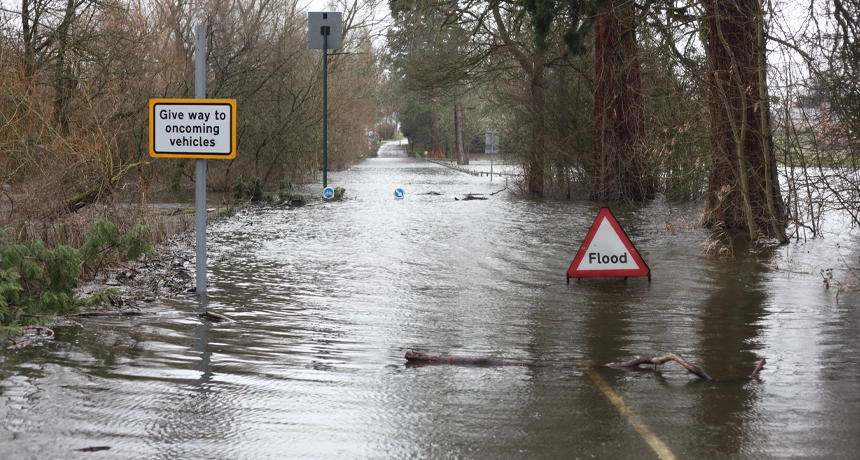
Flooded Roads
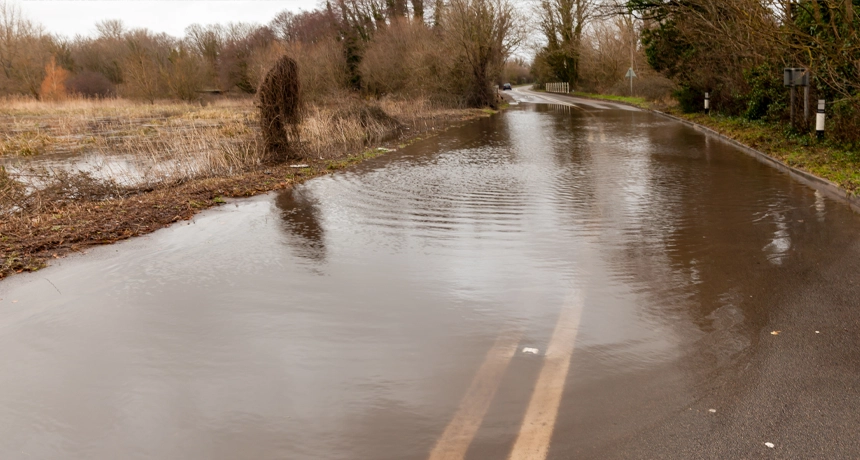
Flooded roads can hide potholes, debris, drains and changes in surface level, while the water itself can affect your grip and potentially damage the bike if it is deeper than expected. I would avoid riding through floodwater unless you are absolutely certain it is shallow and safe, and even then it is worth asking whether there is a better route available.
Storm Conditions
Storm conditions can bring heavy rain, sudden gusts, fallen branches, standing water and poor visibility all at once, which is a particularly unpleasant combination on a motorcycle or scooter. Even if you are comfortable riding in one type of bad weather, several hazards arriving together can quickly make a regular journey feel very different.
Risks for Beginner Riders
If you are a newer rider, bad weather can feel like a lot to manage because you are still building confidence with the bike, the road and other traffic at the same time. There is no shame in avoiding poor conditions while you gain experience, and if you do need to ride, keep it short, keep it simple and avoid putting pressure on yourself to ride like someone who has been doing it for years.
Adverse Weather Riding Checklist | At-a-Glance Guide
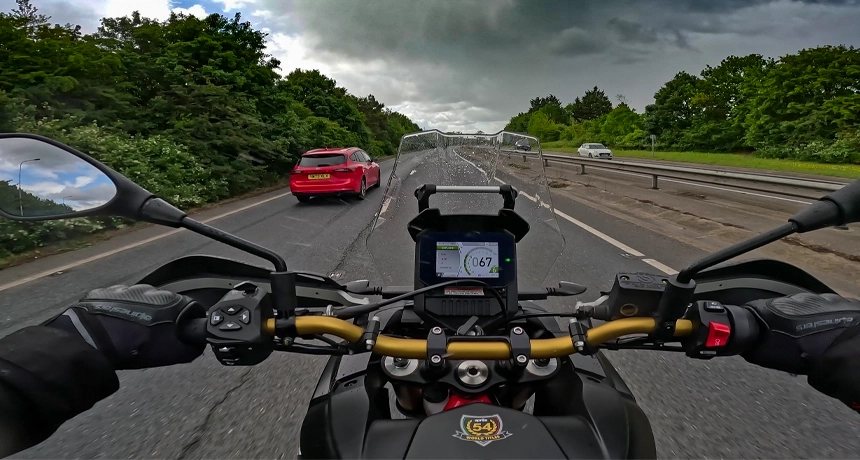
Learn More About Riding Throughout the Year
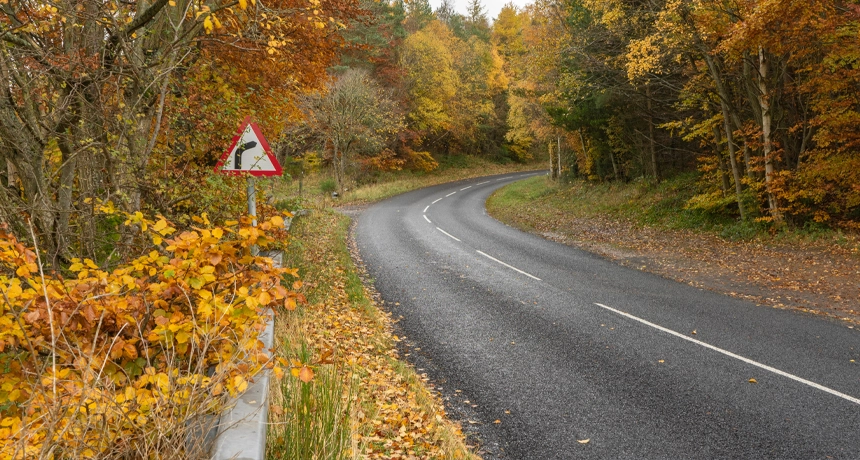
Bad-weather riding is only one part of year-round motorcycling, so it is worth using this guide alongside a few of our other Lexham articles rather than trying to cover every bit of kit, maintenance and planning advice here. If you ride regularly, our must-have motorcycle gear for commuting guide is a good place to start, as it covers everyday kit for staying protected, visible and weather-ready.
For the bike itself, our DIY motorcycle maintenance guide, brake maintenance guide and headlight bulb guide can be useful to read through before relying on your scooter or motorcycle in wet, dark or colder conditions. It is also worth checking our best motorcycle apps round-up for route planning, navigation and weather checks. At the same time, newer riders may find our beginner motorcycle riding tips helpful, and if you commute, ride for work or use delivery apps, our motorcycle insurance classes of use guide can help you check that your cover matches how you use your bike.
Frequently Asked Questions About Riding a Motorcycle in Bad Weather
Is It Safe to Ride a Motorcycle in the Rain?
It can be safe to ride a motorcycle in the rain if the conditions are manageable and you adapt your riding properly, although wet weather always needs more caution than a dry road. Slow down, increase your distance, avoid slippery surfaces where possible and make sure your clothing, tyres, lights and visor are ready for the conditions.
How Much Should I Slow Down in Wet Weather?
There is no single speed that works for every wet ride, because it depends on the road, traffic, visibility, tyres and how heavy the rain is, but you should be riding slow enough that you can brake, steer and react smoothly without feeling rushed. If you feel like you are constantly catching up with hazards, you are probably going too quickly for the conditions.
Can Beginner Riders Ride in Bad Weather?
Beginner riders can ride in light rain or poorer conditions if they feel confident and the journey is necessary, but they should avoid putting themselves into challenging weather before they have built up experience. If you're new to riding, start with short, familiar routes, avoid severe conditions and do not be afraid to postpone a ride if it feels like too much.
Can Motorcycles Ride Safely in Snow?
Motorcycles can be ridden in very light snow by experienced riders in some circumstances, but snow is never something I would recommend treating casually. Once snow is settling, compacting or hiding ice underneath, the safer option for most riders is to wait, change transport or leave the bike at home.
Is Black Ice Dangerous for Motorcycles?
Yes, black ice is extremely dangerous for motorcycles because it can be very difficult to see and can leave you with almost no grip. If temperatures are around freezing and the road is damp, shaded or untreated, I would treat the risk of ice seriously and avoid riding if there is any doubt.
How Do I Stop My Visor from Fogging Up?
An anti-fog insert, good helmet ventilation and keeping the visor clean can all help stop your visor from fogging up, although different helmets behave differently in cold and wet weather, so I’d advise testing your setup before a long winter ride, because a steaming visor in poor visibility is not just annoying; it can become a genuine safety issue.
How Can I Improve Visibility in Poor Weather?
Keep your lights, visor and mirrors clean; use appropriate lights for the conditions and consider reflective or high-visibility clothing, particularly if you ride in rain, fog or dark winter conditions. Remember that visibility is not only about being seen, as you also need to slow down enough that you can see, process and react to hazards in time.
Are Scooters Safer Than Motorcycles in Bad Weather?
Scooters are not automatically safer than motorcycles in bad weather, because grip, visibility, rider experience, tyres and road conditions all matter more than the bike; although in some town riding situations, a scooter may feel easier to manage, smaller wheels, slippery junctions and wet road markings still need plenty of respect.
What Weather Conditions Should Riders Avoid Completely?
Riders should strongly consider avoiding severe winds, ice, heavy snow, flooded roads, storm conditions and any weather where visibility or grip is too poor to ride safely. Experience helps you judge conditions better, but it does not make you immune to them, so if the ride feels genuinely unsafe, do not force it.
Does Bad Weather Affect Motorcycle Insurance?
Bad weather does not usually change your motorcycle insurance by itself, but you still need to ride legally, maintain your bike properly and make sensible decisions for the conditions. If you use your scooter or motorcycle for commuting, business use or delivery work, it is also worth checking that your policy covers the way you are using the bike before you head out.
The Last Stop!
Riding through rain, fog, snow, ice, sleet, hail and high winds is not about pretending the weather does not matter, because it absolutely does. It is about recognising what has changed, adapting your speed and riding style, wearing the right kit and, most importantly, knowing when it is better to stop, wait or leave the bike at home.
And after seven years of relying on a motorcycle through every season, I can honestly say that some of the best riding habits come from learning to respect poor conditions rather than trying to fight them. So, check the weather, give yourself more time to stop, stay smooth, keep your kit in good order, and, if the forecast looks properly grim, remember there is nothing wrong with choosing the safer option.
As always, if you need insurance, be sure to get your motorcycle insurance quote with Lexham today. Ride Safe!