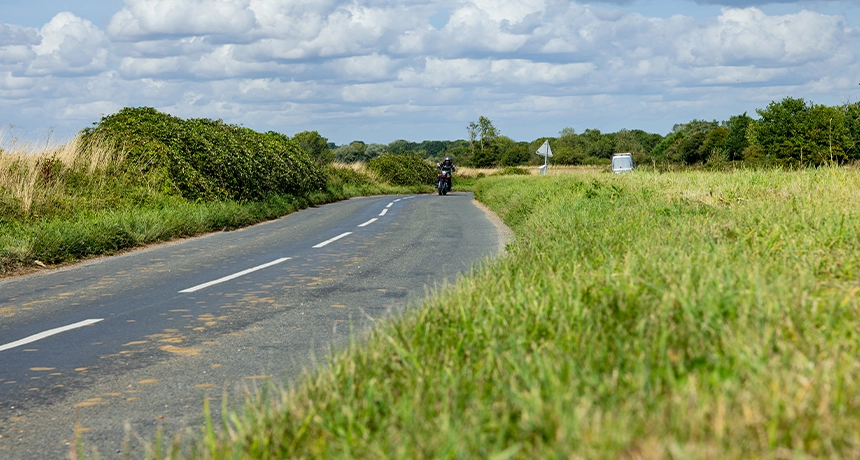
If you live here in Norfolk, as a lot of us do at Lexham, you’ll have likely seen plenty of reminders from Norfolk Police about looking out for motorcyclists. Their recent campaign, titled “A second look could save a life”, is a simple message, but one that could genuinely make a real difference for riders like me.
Motorcycles naturally make up a small part of the traffic on the road, often not seen hugely until the weather gets above double figures, yet they unfortunately feature heavily in serious collisions. The Department for Transport (DFT) highlights this in its THINK! campaign, noting that sadly “motorcyclists account for 1% of road traffic but 19% of all road user deaths”.
In this guide, we’ll look at why motorcycles are harder for car drivers to spot, how to improve motorcycle awareness at junctions, roundabouts and in slow-moving traffic, and why small habits like a second look, a shoulder check and better mirror use can help make the roads safer for everyone.
So, with that being said, let’s get into it.
Why Motorcycles Are Harder for Car Drivers to Spot
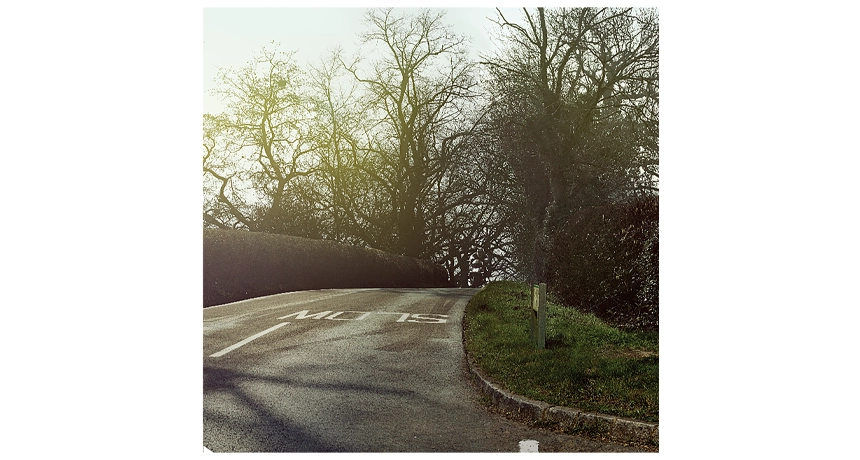
It’s a relatively simple concept; motorcycles just do not fill your mirrors the way cars, vans or other larger vehicles do, and they do not always sit where a car driver expects them to be. Bikes can also blend into existing scenery unbelievably well, not helped by their smaller size and unusual shapes, but understanding why bikes are easy to miss is the first step to spotting them earlier and helping to protect riders on the road.
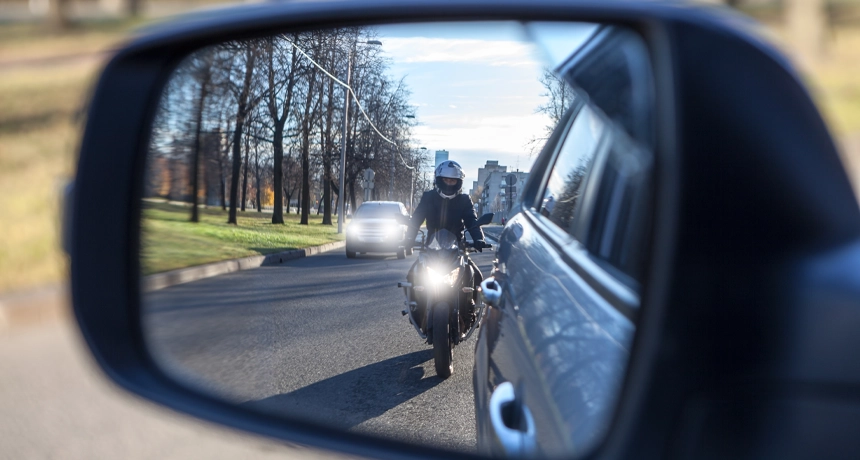
Take a look at the above image from THINK! Can you see the motorbike with its headlight on?
Size, Speed and Perception – The ‘Arrival Illusion’
A motorcycle’s narrow shape means it can easily disappear behind A-pillars, mirrors, road signs, parked cars or larger vehicles, and because bikes are smaller, drivers often misjudge how quickly they are actually approaching.
Research from the University of Reading shows that “drivers adopt smaller safety margins when pulling out in front of motorcycles compared with cars”, partly because “smaller objects are perceived to arrive later than larger objects.”
This is why a bike can look further away than it really is, and why drivers sometimes pull out thinking they have more time than they do. Norfolk Police highlight this in their recent road‑safety messaging, reminding drivers that “a second look could save a life”.
If you do end up in a situation where you’ve pulled out in front of a motorcycle, you’re asking the rider to brake hard in a situation where stopping distances are far less predictable than in a car, too. Lyons Davidson Solicitors put it simply: “any standardised stopping figures become meaningless” for bikes because rider skill, tyres, weather and road conditions can change braking performance a lot more than you’d maybe realise, not forgetting to mention that a motorcycle typically takes longer to stop than a car in equal conditions too, which is perhaps why The Highway Code does not state motorcycle stopping distances.
Filtering and Lane Positioning
Motorcycles don’t always sit directly behind you either, and riders may filter between lanes, sit offset for better visibility, move around potholes or position themselves away from blind spots, so if you only check where you expect a car to be, you can easily miss a biker.
Weather and Light Conditions
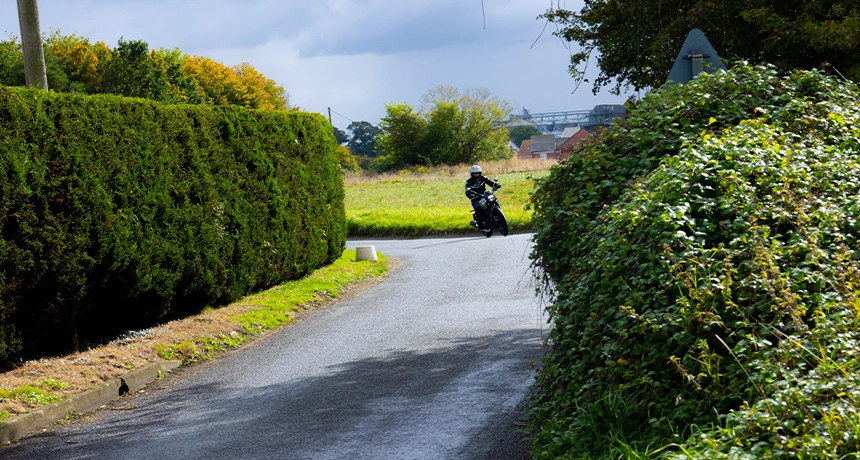
Rain, glare, low sun, and darkness all make motorcycles harder to pick out, too, and, somewhat unbelievably, even a hi-vis jacket can blend into a busy background or sun-soaked foliage, whilst a single headlight can get lost in spray or street lighting.
Low sun from behind can completely wash out mirrors, and wet roads make it harder to see a bike’s shape. In poor conditions, a motorcycle’s smaller shape simply doesn’t stand out the way that a car does, so be extra aware and expect to find a bike where you wouldn’t necessarily expect.
The Highway Code and Motorcycle Awareness for Drivers
The Highway Code gives clear reminders around motorcycle awareness, with Rules 170, 180 and 211 all telling drivers to look out for motorcyclists at junctions, before turning, while being overtaken and when traffic is slow or filtering. In simple terms, don’t just look once, don’t always assume the gap is clear, and always remember that a motorcycle could be approaching faster than you think.
Relevant Highway Code Reminders
More Motorcycle Safety Campaigns
We share the road. We share the responsibility.
This is the message being shared in a brand new campaign from the Norfolk Road Safety Partnership as of late July 2026 following an increased number of accidents and fatalities on Norfolk roads. Somewhat surprisingly, most of these happen across Norfolk in “good conditions on dry roads, in daylight and fine weather”.
Councillor Scott Hussey, Cabinet Member for Public Health/Road Safety at Norfolk County Council, says:
"Motorcyclists are among the most vulnerable people on Norfolk's roads. Too many collisions happen because someone didn't look properly.
"This campaign asks something simple of every rider, driver, and pedestrian: look twice to save a life - it could be yours."
The campaign also highlights ‘inattention blindness’ or ‘change blindness’ among road users, with the campaign stating that:
“Studies on 'change blindness' found that drivers and riders can miss important visual information even when they believe they are paying attention. Being aware of this can encourage you to slow down, take another look to interpret what you see and avoid making assumptions about what you expect to see.”
Ultimately, the campaign concludes with ‘five small changes that can save a life’:
- Keep learning
- Slow down and think ahead
- Look twice
- Stay focused
- Protect yourself
For more information, check out the full page on Norfolk County Council.
Think Bike (THINK! Motorcycling Campaign)
The Department for Transport’s THINK! Motorcycling campaign is a national road‑safety initiative aimed at reducing motorcycle casualties and improving awareness between drivers and riders.
You’ll have likely seen the road signs or a sticker in the back of someone’s car, but the message is really about taking longer to check at junctions, expecting bikes to be hidden in blind spots, anticipating filtering in slow traffic and remembering there is an actual person behind the helmet.
It’s not just aimed at drivers either, as it also encourages riders to manage their own risk by riding predictably, wearing proper kit, and taking further training where needed.
Spot the Bike: Building Awareness from an Early Age
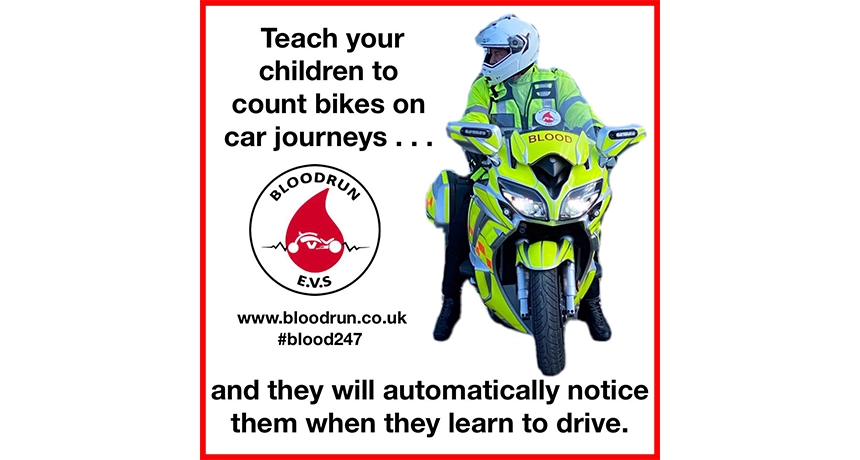
Another great campaign is one published by Honda titled “Spot the Bike: Building Awareness from an Early Age”, sharing a simple but effective message from Bloodrun EVS, a blood bike charity established in 2010.
“Teach your children to count bikes on car journeys… and they will automatically notice them when they learn to drive.”
It really is that simple, and coming from riders as experienced as Blood Bikers, it isn’t something to be easily dismissed, and despite being simple, it should prove very effective.
The SMIDSY Problem: “Sorry Mate, I Didn’t See You”
SMIDSY collisions - the classic “Sorry mate, I didn’t see you” usually happen when a driver turns right across a bike, changes lanes without spotting a filtering rider, emerges from a junction or changes position on a roundabout without realising a motorcycle is already there, often resulting in the apology “Sorry mate, I didn’t see you”, hence the acronym SMIDSY.
High Risk Situations Where Drivers Miss Motorcycles
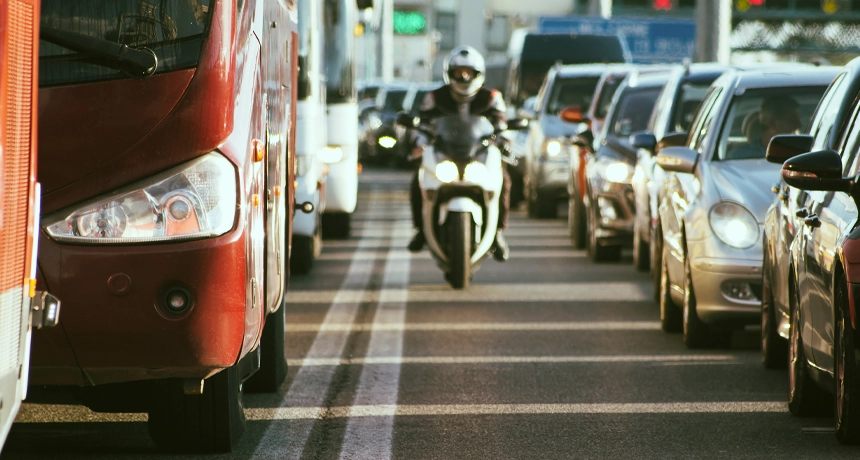
Some situations can catch drivers out more than others. Knowing where the risks are helps you slow down, double‑check and avoid the common mistakes.
Junctions and Side Roads
Motorcycle collisions commonly happen at T-junctions and crossroads because bikes can be hidden by parked cars, oncoming traffic, hedges, road signs or general roadside clutter, so leaning forward slightly or slowly edging out and taking a proper second look can reveal something, or someone you would otherwise miss.
Turning Right Across Traffic
Drivers turning right across traffic is one of the most dangerous situations for motorcycle riders, especially when a bike is overtaking slow traffic, filtering past a queue or simply arriving quicker than expected, so always check for a second vehicle behind the first before committing.
Roundabouts
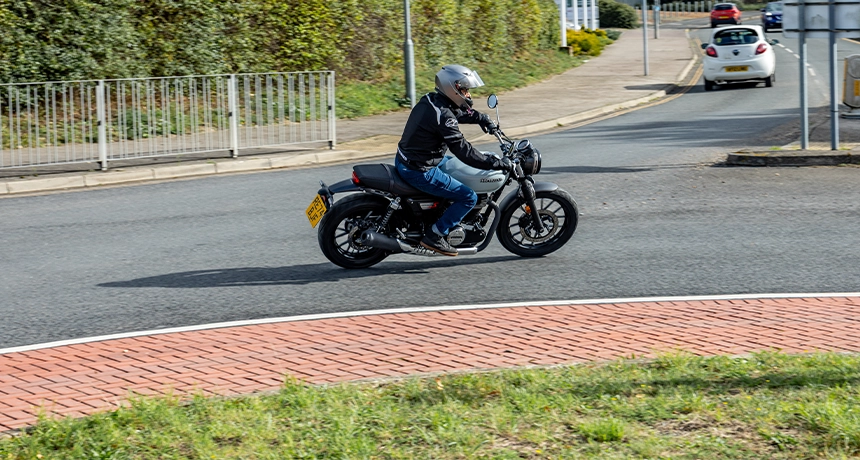
Roundabouts deserve the same patience, because some motorcycles can accelerate quickly, take a different line to the one you expect or be hidden behind larger vehicles until the last moment.
Lane Changes and Motorways
On dual carriageways and motorways, bikes can close distance quickly and filtering riders can appear suddenly if traffic slows down, so mirrors, blind spots and a final check before moving lanes all matter.
Slow Moving or Stationary Traffic
In slow-moving or stationary traffic, never assume the space beside you is empty.
Filtering is legal when done safely and at an appropriate speed for the conditions, so expect bikes between lanes, alongside you or in your blind spot.
How to Spot Motorcycles Earlier While Driving
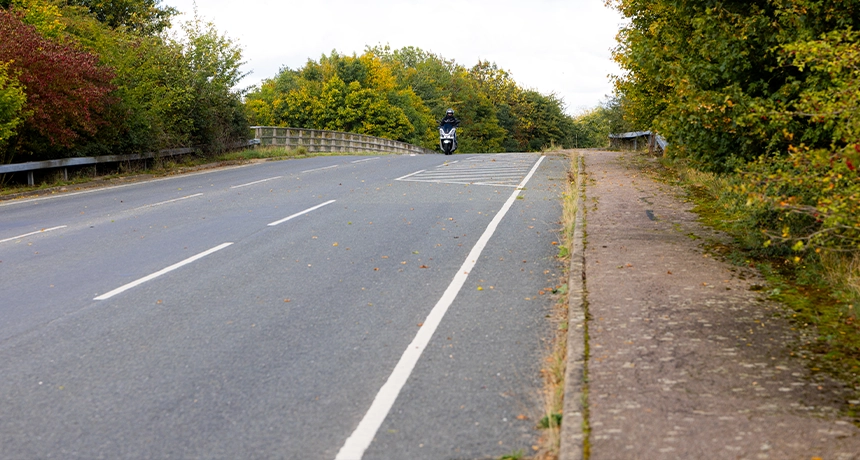
A few small habits can make a big difference here, but the main thing is to stop looking only for car-sized shapes and start scanning for movement, gaps and anything that doesn’t quite fit the flow of traffic.
Look for Movement, Not Shapes
Your eyes naturally get drawn to larger objects like cars, vans and trucks, but movement often gives bikes away first, whether that is a flicker of headlight, a wheel, a shadow or a gap moving where it shouldn’t.
It is worth giving your brain half a moment longer to process what you are actually seeing, especially at junctions or when traffic is heavy. A quick glance can confirm there is not a car coming, but that does not always mean there is not a motorcycle there as well.
Give Yourself That Extra Look
The extra look does not need to be exaggerated, and it is not about sitting at every junction for ages, annoying everyone behind you. It is more about breaking the habit of looking once, seeing nothing obvious and committing straight away, because a bike can easily sit in the one part of your view you did not properly check, and by that point, it can be too late…
Common Mistakes Drivers Make
Mirrors, Speed and Lane Position
Mirrors are useful, obviously, but they only tell part of the story. They might show you what is directly behind, but they will not always pick up the rider sitting just off your rear quarter or making progress up the outside of slow traffic, which is why a proper shoulder check still matters before you change lanes, turn right or pull away.
Speed is another one that catches people out. A bike can look small in the distance, but if it is travelling at the same speed as the traffic around it, or even a little quicker, it may arrive far sooner than you expect, so it is better to treat uncertain gaps as a no rather than trying to squeeze through them.
Lane position matters too, because riders often move within their lane to see further ahead, avoid poor surfaces or make themselves more visible. If a driver drifts across without checking, even slightly, that can take away the space a rider was already using.
Spotting Motorcycles in Poor Conditions
Rain, Glare and Night Driving
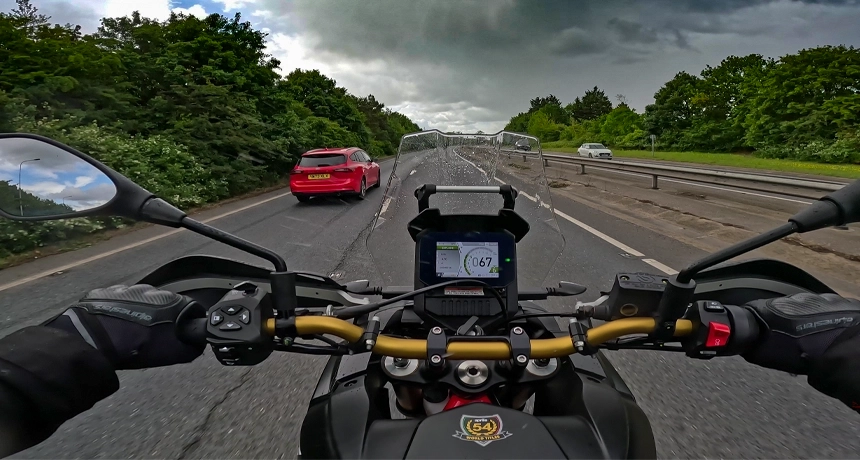
Rain, low sun and night driving all make motorcycles harder to pick out. Spray, reflections, glare, streetlights and single headlights can all hide a bike or make it look further away than it is, so poor visibility is the time to slow the decision down rather than hoping one quick glance is enough.
Low sun is especially frustrating because it can make mirrors almost useless for a few moments, while rain adds spray, reflections and headlights into the mix. At night, a motorcycle may only appear as a single headlight, which makes judging distance even harder if you only take a quick glance.
New Drivers and Motorcycle Awareness
If you’re new behind the wheel, spotting bikes can feel like a lot at first, and that’s completely normal. You’re learning how traffic moves, how your car feels, where your blind spots are and how to judge gaps all at the same time, so make looking for motorcycles part of your routine early on rather than treating them as something unusual.
That does not mean driving around worrying about every junction, but it does mean building the right habits early. Checking mirrors properly, looking past the vehicle directly in front of you, expecting bikes in slow traffic and permitting yourself to wait if something does not feel clear.
Motorcycles, Accidents and Insurance Considerations
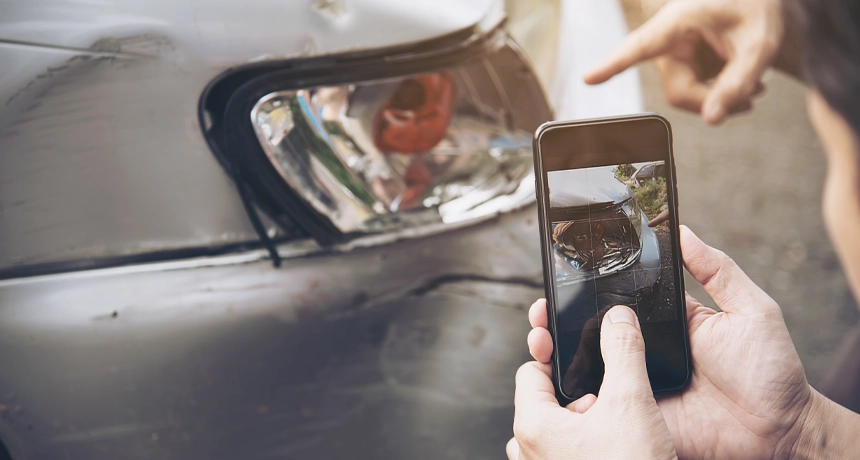
From an insurance point of view, motorcycle collisions can involve more serious consequences because riders are naturally more exposed than car drivers. Even a relatively low-speed incident may lead to injury or damage, which is why the details around observations, positioning, speed and who had right of way can all become important very quickly.
After an incident, an insurer may consider information such as mirror checks, lane position, road layout, dashcam footage and witness evidence, and the exact outcome will depend on the circumstances of the incident, the policy terms and any supporting evidence.
Commuter Reality (Small Changes That Help)
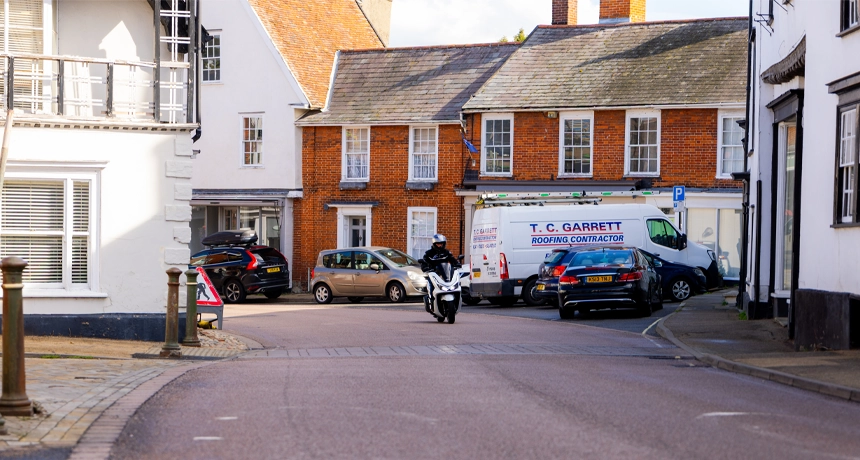
If you drive daily, especially on the same roads, it is easy to go into autopilot without really meaning to. Small habits like keeping the windows clean, setting your mirrors properly before you set off, leaving your phone alone and giving yourself a bit more space when the weather turns grim can make a genuine difference without feeling like you are actually doing anything different.
On a normal commute, it is also easy to stop really seeing the road because you know it so well. That is usually when the small checks matter most, whether it is spotting a bike filtering up the side of a queue or noticing one tucked behind a van before you turn. It may also be worthwhile considering finding an alternative junction if there’s a particularly bad one on your route home that has restricted visibility, even if it takes an extra few minutes.
The Last Stop!
And that’s our guide to spotting motorcycles as a car driver.
Motorcycles aren’t difficult to see; they’re easy to overlook. With a bit of patience, a second look at junctions, and a willingness to slow things down when it matters, you can make the roads safer for everyone.
Norfolk Police, our local force here in Norfolk, have been pushing this message for a reason. As they say, “A second look could save a life”.
If you’re a rider reading this looking for cover, you can also get your motorcycle insurance quote through Lexham.
Thanks for reading, drive and ride safe, and I’ll catch you on the next one.