Buying a motorcycle is exciting, but one of the first big decisions you have to make is whether you’re going to go for a private sale or buy from a dealer.
Choosing to buy from a dealer does add more convenience, as well as buyer protection and finance options, while opting for a private seller can offer lower prices and access to a wider selection of bikes.
However, this also comes with extra costs, as you’d probably imagine. Overall, though, the right option really comes down to your budget, experience level, and how much risk you're comfortable taking.
Which Option is Best? | Quick Answer
| Factor | Dealer | Private Seller |
| Price | Higher | Lower |
| Warranty | Usually available |
Rare |
| Consumer Protection | Stronger consumer rights & legal protections | Limited protection, largely buyer responsibility |
| Finance Options | Often available | Rare, usually requires separate finance arrangements |
| Choice | Limited to dealership stock | Wider selection across the market |
| Trade-in Available | Usually available | Not available |
| Negotiation Potential | Some room for negotiation |
Often regular flexibility to negotiate |
Why Does Where You Buy a Motorbike From Matter?
The motorcycle itself isn't the only factor that affects your buying experience. Where you buy from can influence everything from the price you pay to the protection you receive if something goes wrong.
Choosing the wrong purchasing option can cost more
A lot of buyers focus purely on the purchase price, but the cheapest option isn't always the most cost-effective.
A bike that costs less upfront probably requires additional spending if unexpected issues appear after purchase. Likewise, paying more through a dealership may include benefits that save money later.
Understanding risk versus value
When deciding between buying from a dealer or a private seller, it's important to weigh up risk and value. Private sellers usually offer lower prices, which can make them attractive if you're looking to get the most for your budget. However, this usually comes with fewer protections if something goes wrong after the sale.
Dealers typically charge more, but that extra cost can provide additional peace of mind through warranties, vehicle checks, and consumer rights.
While neither option guarantees a perfect motorcycle, understanding what you're paying for can help you decide which offers the best value for your circumstances.
Choosing the right route for your experience level
Your experience as a rider can play a big role in determining whether a dealer or private seller is the better option. If you're new to riding, buying from a reputable dealer can be reassuring, as you'll often receive advice, support, and better protection throughout the buying process.
More experienced riders may feel confident assessing a motorcycle's condition themselves and may be comfortable taking on the additional risks of a private sale for potential savings. Ultimately, the right route depends on your knowledge, confidence, and how much reassurance you want when making your purchase.
Buying a Motorcycle from a Dealer
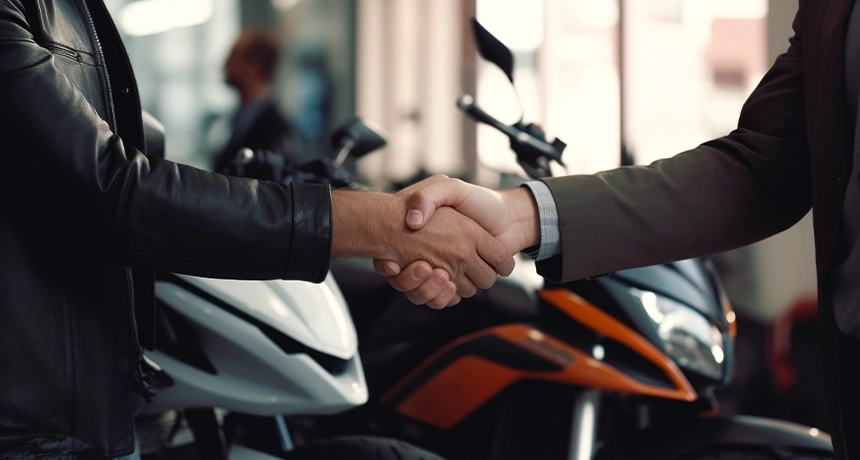
For many riders, buying from a dealer offers a straightforward and reassuring way to buy a motorcycle. Dealerships are often able to provide additional checks, support, and legal protections that may not be available when buying privately.
However, these benefits usually come at a higher price, making it important to understand exactly what you're getting for your money.
What dealership purchases typically include
When buying a motorcycle from a dealership, the purchase often comes with added benefits and services that may not be available through a private seller. Depending on the dealer, this can include a pre-sale inspection, servicing, a warranty, vehicle history checks, finance options, and assistance with paperwork such as vehicle registration and ownership transfers. Some dealerships may also offer part-exchange opportunities or after-sales support.
Benefits of buying from a dealer
As I mentioned, buying from a dealer can provide greater peace of mind, particularly for newer riders or those less familiar with motorcycle mechanics.
Dealerships are typically required to ensure the motorcycle is accurately described and roadworthy, and many offer warranties or guarantees on their stock. Finance options, consumer protection, and the ability to part-exchange an existing motorcycle can also make the buying process more convenient.
Potential drawbacks
While dealerships do offer additional reassurance, there are still some setbacks to consider. Buyers may have less room for negotiation compared to purchasing privately, and the selection available at a single dealership can be more limited than the wider private market. Some dealers may also charge administration fees or upsell additional products and services, such as extended warranties or maintenance plans.
Typical dealership pricing
Motorcycles sold through dealerships generally cost more than equivalent models sold privately. This higher price often reflects the preparation work carried out before sale, warranty coverage, vehicle checks, and the added legal protections available to consumers. While the upfront cost may be higher, many buyers find the extra reassurance and support worth the premium.
Advantages of Buying from a Dealer
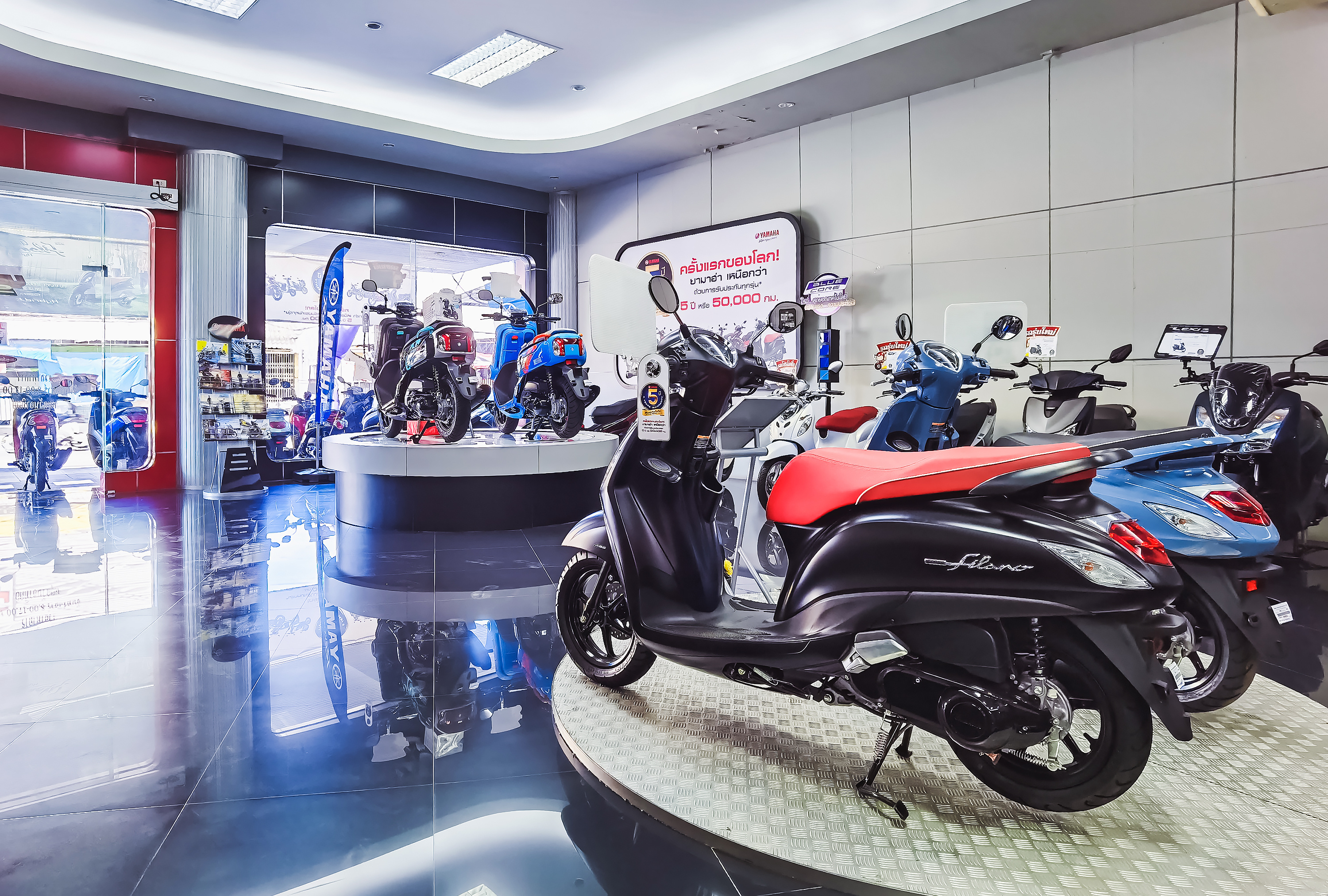
There are positives and negatives to both buying routes, but dealerships offer several advantages that can make the purchasing process easier and provide greater peace of mind for many riders.
Consumer protections
One of the biggest advantages of buying from a dealer is the added consumer protection. Dealers are legally required to ensure a motorcycle is as described, roadworthy, and fit for purpose. If an issue arises shortly after purchase, you may have greater rights than if you had bought privately.
Warranty options
Many dealerships provide a warranty as part of the sale, particularly on used motorcycles and for new bikes they’ll come with AA manufacturer’s warranty. While coverage levels vary, warranties can help protect against unexpected repair costs and provide reassurance if mechanical issues develop after purchase.
Finance options are available
They also offer finance packages that allow buyers to spread the cost of a motorcycle over a set period. This can make higher-value motorcycles more accessible and simplify the purchasing process compared to arranging finance independently.
Trade-in opportunities
If you already own a motorcycle, many dealers will offer part-exchange options. This allows you to put the value of your current bike towards your next purchase without needing to arrange a separate private sale.
Professional preparation
Most dealerships will inspect, service, clean, and prepare motorcycles before offering them for sale. While standards vary between dealers, buyers can often expect a motorcycle that is ready to ride with fewer immediate maintenance concerns.
Disadvantages of Buying from a Dealer
While dealerships provide convenience and reassurance, there are also some drawbacks that buyers should consider.
Higher prices
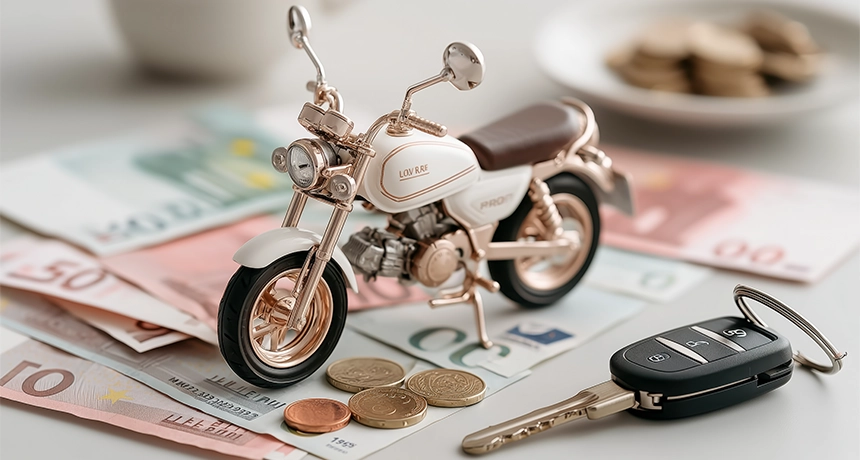
Dealership motorcycles typically carry a higher asking price than comparable bikes sold privately. This reflects overhead costs, warranties, preparation work, and the additional services provided.
Additional Fees
Some dealerships may charge administration fees, document processing charges, delivery costs, or offer optional extras that increase the total purchase price. Buyers should always review the final bill carefully before agreeing to purchase.
Less room to negotiate
Negotiation is often possible at dealerships, but flexibility is usually more limited than with private sellers. Dealers generally work within set margins and pricing policies.
Smaller inventory to choose from
Although dealerships may stock a variety of motorcycles, buyers are limited to what is currently available within that dealer's inventory unless they are willing to travel or request stock transfers.
Buying a Motorcycle from a Private Seller
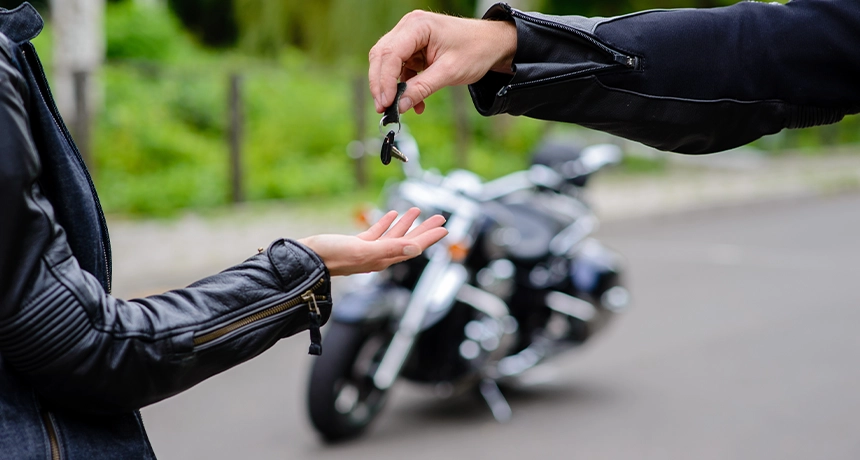
Now we’ve looked at a dealer; we can talk about buying from a private seller…
How do private sales work
A private motorcycle sale works as a direct transaction to another person, operating under the legal principle of ‘buyer beware’, meaning you won’t get any dealer warranty and must inspect and verify everything yourself. You will usually come across these listings on platforms such as Facebook Marketplace, Gumtree, eBay, Auto Trader, etc.
Why do some buyers choose this route?
Some buyers opt for a private sale when buying a motorcycle due to the fact that you can often get them at a lower price and there is room for negotiation without any dealer markups or hidden fees.
You also get to buy it straight from the previous owner's hands, meaning you’ll often have the direct history and information, and documents of its maintenance, as well as being able to ask questions such as where it has been stored, why it’s being sold, etc.
Potential Risks involving private sales
However, naturally, this also does come with its risks. One of these is that you’ll have far fewer legal protections than buying from a registered dealer. Buying privately means no statutory warranty or right to a refund under consumer law once you’ve handed over that money, if the bike was described honestly.
Another big risk is that it opens the door to potential stolen or cloned bikes, or bikes with concealed damage and mechanical issues, and unfortunately, as much as we don’t like to believe it, sellers will lie in order to sell a bike quickly.
Typical average savings
Typical average savings from buying from a private seller are about 10% to 20% compared to dealership retail prices, which equates to savings of about £500 to 1,500+.
This does, however, depend on the condition and pricing of the bike; for example, it’s estimated that on a £3,000 bike you’re likely to save about £400-600, whereas on a pricier model worth around £12,000 you’re more likely to save around £1,500-2,500.
Advantages to Buying a Motorcycle Privately
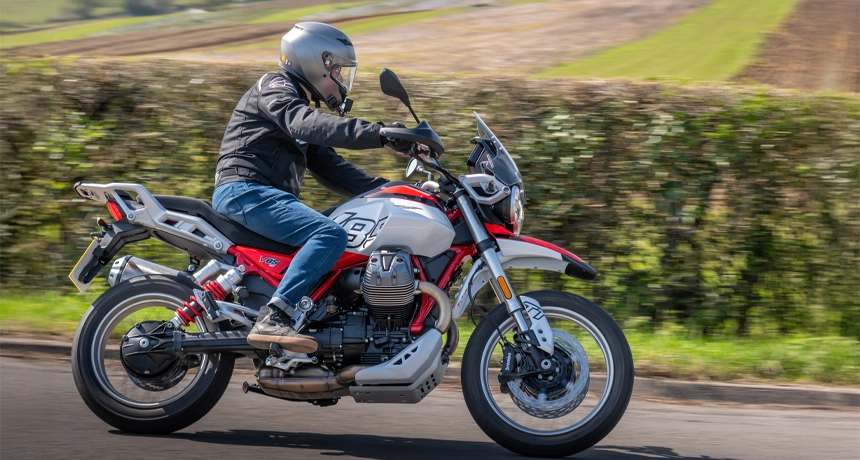
There are many advantages of buying a motorcycle privately…
Lower prices
You tend to get a cheaper purchase price by missing out on documentation and overhead fees. Private sellers do not have to cover commercial overhead, sales commissions, or the costs of covering short-term warranties.
Greater choice of bikes
When you buy privately, you also get a greater choice of bikes; individual sellers are not restricted by inventory rules, floor space costs, or brand franchises. Dealerships tend to have newer bikes for sale and popular models, not usually anything older than 10 to 15 years.
Nor will they sell customised and modified bikes unless they specialise in that field.
More negotiation opportunities
It allows for more negotiation with the seller; you can normally manage to haggle the price down a tad, unlike a dealership with a set price. This is because dealerships operate on profit margins, administration fees, and sales targets set by corporate or general management.
As well as this, private owners are usually selling because they need the cash for a new bike or just need the extra space in the garage, making them more likely to negotiate on price.
Allows for Direct Conversations with owners
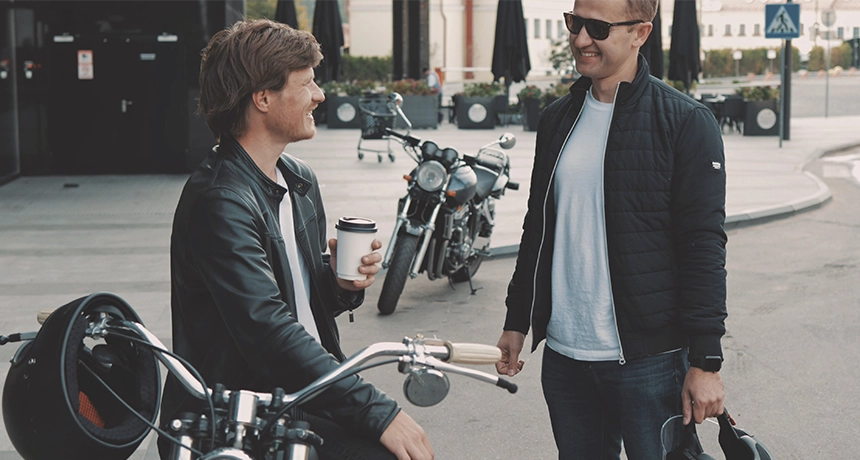
Another advantage is dealing with the direct owner of the bike rather than speaking to a salesperson whose job is to protect gross profit and pitch cost to change figures. You are speaking to the actual owner who can tell you about the bike's history and why they are selling it.
Access to enthusiast-owned motorcycles
When buying privately, you’re likely to be buying from an enthusiast, meaning they’ll usually bundle in some added extras, like spare parts, original factory plastics, paddock stands, or any specialised tools for the bike that they no longer need and which dealers will most likely throw away.
Disadvantages to Buying a Motorcycle Privately
As much as we love a bargain, and while buying a motorcycle privately does have its advantages, it undoubtedly comes with its fair share of disadvantages too…
Fewer protections available
It goes without saying that buying a motorcycle privately strips away almost all consumer protections, leaving you to deal with any financial and legal risks alone. Once the money goes to the seller, any mechanical failures, hidden damage, or legal issues are then all down to you.
No warranty
One of the biggest disadvantages of buying a motorcycle privately is the lack of any warranty. As I touched on above, with no warranty, you’ll be paying out to fix any issues yourself, which is a significant financial gamble. When buying from a dealership, you benefit from additional consumer protections, including a 30-day right to reject the bike if it is found to be faulty.
Higher scam risk
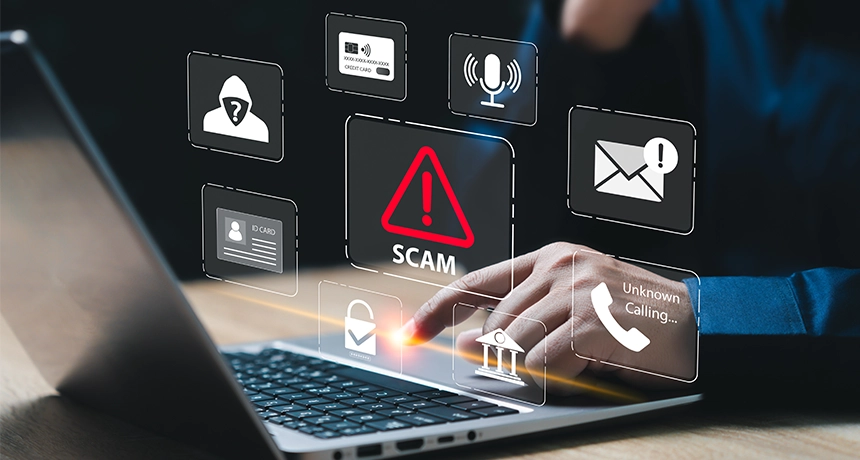
Private sales can carry a bigger risk of scams and misrepresentation. Without the reassurance of a reputable dealer, you're often dependent on the honesty of a stranger, making it easier for issues with the bike to be hidden or for misleading information to go unnoticed until it's too late.
More responsibility on the buyer to check
Unlike a dealership, a private seller has no legal obligation to point out any faults with the bike. The legal burden of checking the bike’s mechanical, cosmetic and legal health falls all on yourself. You must be able to inspect the bike for any damage and also any missing documentation.
Which Buying Route is Right for You?
Choosing whether you buy from a dealer or private seller is all down to what you value most. Saving money or peace of mind and legal protection. There’s no right or wrong answer, and buying privately if well maintained and from a genuine seller, can be a brilliant choice.
First-time Riders

For first-time riders, buying from a dealer may be the smarter, safer option as you are new to motorcycling; you may not be fully equipped with the knowledge of bikes and therefore don’t exactly know what to look out for.
The added stress of diagnosing hidden mechanical issues and navigating paperwork is not ideal. Unless you have someone, who is clued up on bikes, like a relative or a friend who can help you, I’d personally stick to a dealer.
Budget-conscious Riders
If you’re looking to find yourself a budget bike, then a private sale could definitely be the right first step. However, as I know I’ve mentioned, but what seems like a good price at first may cost you financially in the long run; it’s important to weigh up initial savings against the potential cost of immediate repairs to figure out which best works for you.
Experienced Riders
An experienced rider knows exactly what to look for and what they want, making the private market a popular choice. They’re able to bypass dealership markups and spot good bike maintenance to confidently assess a bike themselves and check for any red flags.
Collectors & Enthusiasts
The private market is often the only place you’ll be able to find a rare or historically significant motorcycle. Dealerships buy stock from auctions or trade-ins, meaning the personal history of the bike is usually lost. With a private seller, they can provide the original information, which is likely desired by collectors or enthusiasts.
Riders looking to finance
If you’re looking to finance a bike, then the best option really is buying from a dealer; a private sale will require you to source an independent personal loan and carries higher personal risk.
Are Motorcycles Cheaper From Private Sellers?
Yes, motorcycles are generally cheaper from a private seller than a dealership; however, a lower upfront cost may come with increased risk and fewer safety nets.
Why private sellers usually undercut dealers
A private seller usually undercuts dealership prices as they have no overhead costs, rent, utility bills, employee salaries, showroom upkeep, and insurance, which dealers build into the price of every bike.
Understanding dealership overheads
Motorcycle dealership overheads span the fixed and variable costs required to run a showroom, workshop, and retail operation year-round. These costs include:
- Building & Facilities: Rent or mortgages on large showrooms, prime real estate locations, electricity, climate control, and insurance.
- Staffing costs: Salaries, commissions, and benefits for salespeople, finance managers, mechanics, and administrative staff.
- Vehicle preparation: Dealerships typically put used bikes through inspections and maintenance before they go out on the showroom floor.
- Profit margin: Dealerships are businesses designed to make a profit between what they buy the bikes for and what they sell them for.
- Fees: Dealerships have documentation fees, setup fees, and freight fees
Looking beyond the sticker price
Although the sticker price is lower when buying a motorcycle from a private seller, you have to look beyond this, as a lower purchase price does not always mean a lower total cost of ownership.
When paying more can make sense
Paying more can often make sense when buying from a dealership, as you need statutory consumer protections, vetted history checks, and also built-in finance plans to break down the cost. You also have warranties and guarantees, usually with a 30- or 90-day extended mechanical warranty.
Can You Negotiate with Dealers & Private Sellers
Yes, you can negotiate with both dealers and private sellers, though it's easier and more likely to be beneficial with a private seller, as they don’t have the same fixed overheads and margin targets.
Dealer negotiation opportunities
When looking to negotiate with a dealer, your best shot is unbundling the " out-the-door " (OTD) price and leveraging non-cash incentives. Dealers often have strict margins on the bike's sticker price, but they have flexibility in other areas
- Freight and setup fees
- Document fees
- Third-party add-ons
Private seller negotiation opportunities
Buying a used motorcycle from a private seller means you miss out on dealer fees and hidden markups, giving you flexible room to negotiate. Research the market to have a look at what similar bikes, mileage, and years are actually selling for.
Timing your offer correctly
The timing of your offer is more important than you may think…
- Make sure to inspect the motorcycle first: Waiting until you’ve inspected the bike to make an offer stops you from looking uninformed and allows you to use real physical flaws to justify a discounted price
- Never negotiate against yourself: Dropping your price or changing your terms before the seller has had the chance to reply
- Failing to walk away: Becoming emotionally attached to the deal, so you accept bad terms instead of just walking away
- Making things personal: Letting frustration get the better of you and ruin a deal
What Level of Protections do Buyers Get?
The level of protection you receive when buying a motorcycle depends largely on whether you purchase from a dealer or a private seller. While both options have their advantages, the legal safeguards available to buyers can differ significantly.
Dealer purchases
Buying from a dealer generally provides greater peace of mind, as businesses must comply with consumer protection laws. Reputable dealers will often inspect, prepare, and service motorcycles before sale, helping to reduce the likelihood of unexpected issues.
Consumer rights
When you buy a motorcycle from a dealer, the vehicle must be of satisfactory quality, fit for purpose, and as described. If a fault is discovered shortly after purchase, you may be entitled to a repair, replacement, or refund depending on the circumstances.
These legal protections can provide valuable reassurance, particularly when purchasing a used motorcycle.
Private sales
Private purchases typically offer fewer protections but can sometimes result in lower purchase prices and a wider selection of motorcycles. However, buyers are responsible for carrying out their own checks and assessing the bike's condition before completing the sale.
‘Sold as Seen’ considerations
Motorcycles sold privately are often described as being sold "as seen". This means that once the sale is complete, you generally have little recourse if faults emerge later. The seller must not deliberately misrepresent the motorcycle, but it is the buyer's responsibility to inspect the bike thoroughly, review its history, and ensure they are satisfied with its condition before handing over any money.
Lexham Buyer Route Framework
| Buyer Type | Recommended Route |
| First-time rider | Dealer |
| Riders seeking Finance Options | Dealer |
| Budget-focused Buyer | Private |
The Hidden Costs Buyers Often Forget
The purchase price is only one part of the overall cost of owning a motorcycle. Whether you buy from a dealer or a private seller, there are several additional expenses that can catch buyers by surprise if they aren't factored into the budget from the outset.
Preparation costs
When buying from a dealer, the advertised price may not always reflect the full amount you pay. Some dealerships charge preparation fees to cover inspections, servicing, cleaning, safety checks, or making the motorcycle ready for handover. It's worth confirming exactly what's included before agreeing to purchase.
Delivery costs
If you're unable to collect the motorcycle yourself, delivery charges can add to the overall cost. Fees will vary depending on the distance involved, while some dealers may offer free or discounted delivery as part of the sale.
Administration fees
Certain purchases may include administration fees to cover paperwork, vehicle registration changes, finance arrangements, or other processing costs. Always request a breakdown of any additional charges before committing to the purchase.
Insurance Requirements
Before riding away, you'll need appropriate motorcycle insurance in place. Premiums can vary significantly depending on the bike, your age, riding experience, location, and intended use, making it important to obtain quotes before buying.
MOT & Road Tax
Depending on the motorcycle's age and condition, you may need to budget for an upcoming MOT test and servicing. It's also worth checking the vehicle's tax status, although road tax does not transfer with ownership.
When you buy a motorcycle, you'll need to tax it immediately, and a new tax period will begin from the date of purchase. Checking these costs in advance can help you avoid unexpected expenses shortly after buying.
Registration Plate transfer
If the motorcycle has a personalised registration plate, there may be costs associated with retaining, transferring, or assigning the registration. Buyers should clarify these arrangements before completing the sale, as they can affect both cost and delivery times.
Immediate maintenance costs
Even if a motorcycle appears to be in good condition, it may still require immediate spending on consumable maintenance items such as tyres, brake pads, fluids, chains and sprockets, or a routine service.
Making sure to factor these potential costs into your budget can help prevent surprises after taking ownership.
Dealer vs Private Seller | At a Glance Comparison
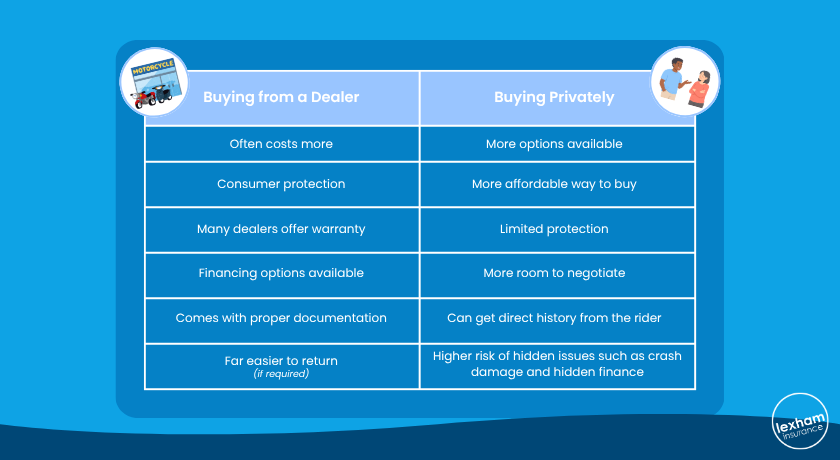
Final Verdict | Should you Buy a Bike Privately or From a Dealership?
So, what’s the final verdict…I’m going to say that the best option depends entirely on your priorities. Dealerships typically offer greater peace of mind through consumer protections, potential warranties, and vehicle preparation, but you'll often pay a premium for these benefits.
Private sellers can offer better value and lower prices, but with fewer protections, it's up to you to thoroughly inspect the motorcycle and carry out the necessary checks before buying.
If security and support are important, a dealership may be the better choice. If you're confident assessing a bike's condition and want to maximise value for money, a private purchase could be worth considering. Ultimately, doing your research is key, whichever route you choose.
Buying a Motorcycle Privately or From a Dealer FAQs
Now to round things up nicely, we’ve answered some frequently asked questions…
Is it safer to buy a motorcycle from a dealer?
Generally, yes. Buying from a dealer often provides greater protection through consumer rights, potential warranties, and pre-sale inspections, giving buyers added peace of mind if issues arise after purchase.
Are motorbikes cheaper from private sellers?
In many cases, yes. Private sellers often have lower overheads than dealerships, which can result in lower asking prices. However, buyers should weigh any savings against the reduced protections available.
Can I return a motorcycle that I bought privately?
Private sales are usually final, meaning you cannot simply return the motorcycle if you change your mind. Your options may be limited unless the bike was misrepresented by the seller.
Can I finance a private motorcycle purchase?
Yes, some lenders offer finance options for motorcycles bought from private sellers. However, finance products and eligibility requirements may differ from those available through dealerships.
Should first-time riders buy from dealers?
Many first-time riders choose dealerships because of the added support, protections, and reassurance they can provide. While private sales can offer savings, they often require more knowledge and confidence from the buyer.
Do dealers negotiate on motorcycle prices?
Some dealers may be willing to negotiate, particularly on used motorcycles or towards the end of a sales period. Even if the price is fixed, you may be able to negotiate extras such as accessories, servicing, or delivery.
Which option offers the best value for the buyer?
Neither option is automatically better value. Dealers typically offer more protection and support, while private sellers may offer lower prices. The best value comes from finding a well-maintained motorcycle at a fair price that meets your needs and budget.
The Last Stop!
We hope that’s pretty much summed things up for you in terms of whether or not you should opt for a private seller or stick to a dealer…as always, if a bike is on the cards, don’t forget about insurance — You can get a motorbike insurance quote directly with Lexham!