I’m sure we can all admit that motorcycle paperwork can sometimes be a bit of a minefield, and Q plates are one of those things that can naturally cause a lot of confusion. If you’ve just bought a project bike, are rebuilding something with missing documents, or are looking at a used bike that already has a Q registration, it’s probably a good idea to understand what it actually means before you commit.
To keep things simple, this guide covers what a Q plate is, why it’s issued, what it means for riding the bike on the road, and the practical steps you’ll usually need to take with the DVLA.
So, without further ado, let’s get into it!
What Is a Q Plate?
If you’re reading a guide on Q plates, there’s a good chance you have already come across one before, more than likely on some form of kit-built car. If you haven’t, a Q registration is basically what the DVLA uses when a vehicle’s age or identity is in doubt.
In short, you’ll usually see Q plates on motorcycles such as:
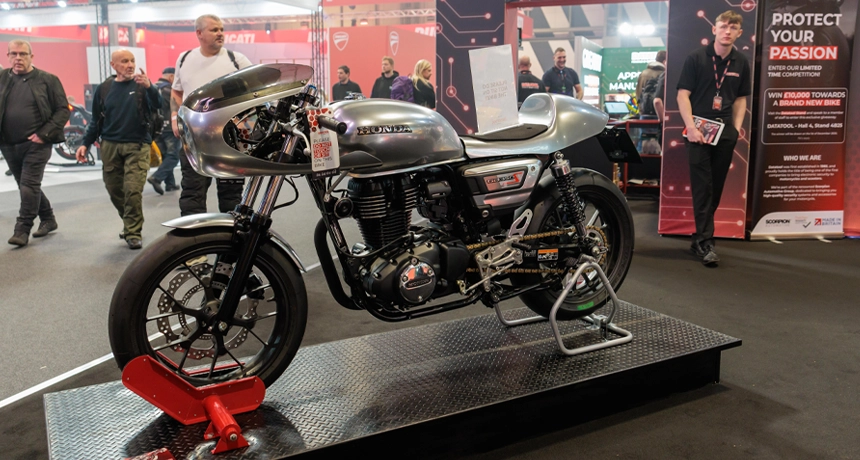
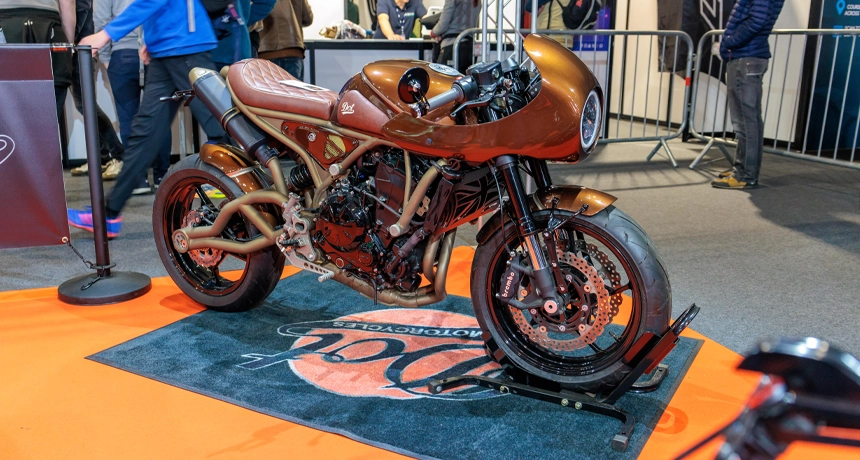
- Kit-built bikes and specials
- Kit conversions (a donor bike converted using a kit)
- Bikes that have had major repairs or restorations
- Projects where the paperwork doesn’t clearly show the bike’s age or identity
One rule that often catches people out is the original number plate. According to GOV.UK, "If this happens, any original vehicle registration number will become invalid, and you must not display it again."
On top of this, once your vehicle is registered with a Q Plate, you can no longer assign a private number to it either; the Q mark has to stay with the vehicle for life.
Kit‑Built vs Kit‑Converted Motorcycles
If you’re dealing with a project bike, it’s worth knowing the difference between kit‑built and kit‑converted motorcycles, as the DVLA treats them differently despite sounding remarkably similar in name.
A kit‑built motorcycle is one where all the parts are supplied new by the kit manufacturer, whereas a kit‑converted motorcycle starts with either an existing bike or a new kit, then has a mix of new and old parts added, with the overall look of the bike changing as a result of the kit.
Whichever route applies to you inevitably matters because it goes on to affect what paperwork the DVLA asks for and whether the bike can keep an existing registration, be given an age‑related plate, or end up on a Q registration.
Quick Facts About Q Plates
- A Q registration is used when the DVLA cannot confirm a vehicle’s age or identity
- If a Q registration is issued, you cannot keep displaying any previous registration number for that bike or assign a private registration
Why Does the DVLA Issue Q Plates?
A lot of the time, Q plates come up because the DVLA need to be confident about the bike’s identity, or because the record needs updating due to changes that have been made. That’s why kit builds, conversions, and big rebuilds can involve more back-and-forth than a standard bike with a straightforward history.
What To Have Ready Before You Contact DVLA
The paperwork you need tends to vary for every case, but a few bits of paperwork seem to come up again and again, so getting this organised early can save you a lot of time later:
- A V5C logbook, or a V62 if you need to apply for one
- V627/1 vehicle parts statement, for certain kits and rebuild routes
- Receipts for major components, especially if a frame has been replaced
- Photos supporting the work, for example, the VIN on the old frame if it’s being replaced
- Build plans and photos for kit-built or kit-converted applications
- Type approval evidence where required
Can You Ride a Q Plate Motorcycle on the Road?
Yes, a Q-registered bike can still be used on the road, as long as it’s correctly registered and you’re meeting the usual legal requirements. The ‘Q’ itself is about the registration status, but as a quick guide, your bike will also need to be:
- Correctly registered
- Taxed (or SORN if it’s off the road)
- Roadworthy (with an MOT where required)
- Insured for road use
Does a Q Plate Affect MOT or Tax?
A Q plate does not change the MOT or tax requirements; what matters is the age of the motorcycle and whether it has been substantially changed.
If a bike is over 40 years old and has not had major changes to things like the frame, chassis or engine, it may be exempt from MOT testing; however, many Q‑registered bikes have been rebuilt, converted, or had significant work carried out, which means an MOT is usually still required, regardless of its age.
Historic vehicle tax works slightly differently in 2026, as motorcycles built before 1 January 1986 can be put into the historic tax class, which means vehicle tax is charged at £0, but it still has to be applied for and renewed, and in addition, even if a bike qualifies for MOT exemption or historic tax, it must always be kept roadworthy.
With Q‑registered bikes in particular, it’s best not to assume any exemptions apply if the bike has a complicated history or it’s been heavily modified, so make sure to double-check what applies before you ride.
What a Q Plate Can Mean in Practice (Paperwork and DVLA Process)
Here is the practical way to think about it when you’re dealing with a Q-registered motorcycle:
- Expect DVLA to want clear identity evidence if the bike is kit-built, kit-converted, or heavily rebuilt
- Don’t plan on using any previous registration number if a Q registration has been issued
- Have your paperwork ready, especially V5C or V62, V627/1 where required, plus receipts and photos for major work like a frame replacement
- Build in time for extra checks, for example, an inspection, if the DVLA needs to confirm what the bike is
Buying a Q Plate Motorcycle: What to Check
If you’re looking at a Q-registered motorcycle, the most useful checks are the ones that go back to DVLA requirements, for example, what route it was registered under, whether the VIN is present and readable, and what evidence exists for major work.
Quick Checks Before You Travel
- Ask what route the bike was registered under, for example: repairs and restorations, kit-built, or kit-converted
- Ask what paperwork comes with it, especially the V5C, or details of how a replacement V5C was applied for
- Ask what evidence exists for major work, for example, receipts and photos, if a frame has been replaced
- Ask for a clear photo of the VIN on the chassis
Checks When You’re with the Bike
- Find the VIN on the chassis and make sure it’s clear and readable
- If the bike has been repaired, restored or modified, ask how the VIN was covered during the work
- If a frame has been replaced, ask to see the receipts and the supporting photos
- For kit-built or kit-converted bikes, ask whether a V627/1 parts statement and build evidence exists
Q Plates and Motorcycle Insurance: What You Need to Know
From an insurance point of view, the big thing with projects and rebuilt bikes is making sure your details are accurate. If something has changed on the bike, don’t assume your cover stays the same. GOV.UK also flags this in its repairs and restorations guidance: "After you make the change, you should have your vehicle MOT checked and ensure your vehicle insurance is still valid."
Always answer insurance questions honestly and accurately, and check your policy documents so you know what’s covered. If you’re not sure, ask your insurer before you ride.
Can You Avoid a Q Plate, or Change It Later?
A common question with Q plates is whether you can avoid them altogether or change them later, but in most cases, it comes down to what kind of bike you’re registering and which DVLA route applies. Kit‑built and kit‑converted bikes have their own guidance, and repairs and restorations can involve extra steps, too, so it’s worth checking the details before you start spending money on a build.
In practice, there isn’t a single rule that applies to every project. The route you’re using and how the bike is assessed under the DVLA guidance will usually determine the outcome, and because different build types are treated differently, it isn’t always clear where things will land until you look at the details.
How to Register a Motorcycle That May End Up on a Q Plate (Step by Step)
Registering a project bike is not always complicated, but it’s one of those jobs where doing it properly matters. Follow the guidance for the route that applies to your motorcycle, and if you’re unsure, it can be worth getting help rather than guessing and ending up with delays.
What you need will vary depending on the route, but it usually comes down to having the right forms, plus sufficient evidence for the bike and any major parts that have been used.
- Work out which route applies to your motorcycle, for example, kit-built, kit-converted, repairs and restorations, structurally modified vehicles, reconstructed classic vehicles or old vehicles
- Collect the required documents, for example, V5C or V62, V627/1 (where required), as well as receipts, and supporting photos
- Check that the VIN on the chassis is present and readable, and keep clear photos for your records
- Submit the application to DVLA using the relevant forms
- If DVLA needs to confirm identity or update records, you may be asked to arrange an inspection or assessment
- Once registration is confirmed, make sure you meet the usual road requirements before riding
Quick FAQs
Do I Need to Do Anything Different Because It’s a Q Plate?
Not really - the normal rules are the same, but Q plates usually sit behind a bike with a more complicated registration story, so it’s important to have a clear VIN, clean paperwork, and to use the right DVLA route for any changes you make.
What Happens to the Old Registration Number?
If a Q registration is issued, you cannot keep using the old number. The exact rule is covered earlier in this guide, but as a reminder, the DVLA states: “If this happens, any original vehicle registration number will become invalid, and you must not display it again.”
What If the VIN Is Missing or Has Been Moved?
This is where projects can get somewhat complicated. If the VIN is missing, unclear, or has been moved during repairs or modifications, make sure to check the DVLA VIN guidance and follow the steps it sets out, although do bear in mind that it could be a long process…
Keeping the Paperwork Straight (DVLA Updates, VIN, and Insurance)
If you own a Q-registered motorcycle, the practical aim is to keep DVLA records accurate and keep your documentation organised. After significant work, it’s sensible to do a roadworthiness check and make sure your insurance still fits what you’re riding.
- Keep DVLA-related paperwork together, including V5C documents and any correspondence
- Keep receipts and photographs for major work, especially if a frame has been replaced
- Keep a clear record of the VIN and where it’s stamped on the chassis
- If you’re unsure, follow GOV.UK guidance on notifying DVLA
- After significant work, consider a roadworthiness check, and contact your insurer if you’re unsure whether anything affects cover
The Last Stop!
Q plates are mainly about identity and registration, so the best approach is to stay close to the DVLA guidance. Pick the right registration route, keep your evidence organised, and don’t assume the rules for one type of project apply to another.
And as always, if you need cover, head to Lexham to get your Motorcycle Insurance quote today. Just remember to answer questions accurately and check the policy documents so you understand what is covered for your bike and your situation.
Thanks for reading, ride safe, and I’ll catch you on the next one!