Buying a bike should be exciting, never stressful. However, there are plenty of potential pitfalls to watch out for before you hand over your cash. From hidden faults and missing paperwork to dodgy sellers and outright scams, knowing the warning signs can save you a lot of time, money, and hassle. In this guide, we'll cover the biggest motorcycle buying red flags and explain when it's best to walk away.

Quick Answer | What Are the Biggest Motorcycle Buying Red Flags?
We’ve generated a table for some of the biggest red flags when buying a motorcycle:
| Red Flag | Risk Level |
| Missing V5C | High |
| Seller is Avoiding Questions | High |
| Poorly done modifications | Medium |
Why Motorcycle Buying Red Flags Matter
Spotting all the red flags before you buy can protect you from financial loss, legal complications, and potentially dangerous safety issues. While some problems may simply result in repair costs, others could leave you with a motorcycle that's difficult to register, expensive to insure, or even unsafe to ride.
The cost of getting it wrong
If you’re ignoring warning signs, it could end up leaving you with an unroadworthy, unregistered, or even legally seized motorcycle. Hidden mechanical problems, accident damage, or outstanding finance can quickly turn a bargain into a costly headache. In some cases, repair bills can run into thousands of pounds, making it far more expensive than buying a well-maintained bike in the first place.
Why some warning signs are so easy to miss
You may not believe it, but some red flags are harder to spot than you may realise. A freshly cleaned and polished motorcycle can hide leaks, corrosion, crash damage, or poor-quality repairs. Some sellers may also warm the engine before you arrive to conceal cold-start issues, excessive exhaust smoke, or unusual mechanical noises.
Paperwork can be just as easy to overlook. A quick glance at a V5C or VIN plate might seem enough, but failing to properly check registration details could lead to serious problems later on.
The differences between risks & dealbreakers
Not every red flag should immediately end a deal. Some issues, such as minor cosmetic damage or a missing service receipt, may simply provide an opportunity to negotiate a lower price. Others, including mismatched VIN numbers, missing ownership documents, or signs of theft, should be considered immediate dealbreakers.
The key is understanding which warning signs represent manageable risks and which indicate problems that simply aren't worth taking on.
Red Flag #1: The Price Seems Too Good to Be True

A heavily discounted motorcycle might look like a bargain, but unusually low prices should always raise questions. While some sellers genuinely need a quick sale, a price that sits well below the market average can indicate hidden mechanical problems, outstanding finance, theft, or an outright scam.
Increase in scam listings
Online marketplaces have made it easier than ever to buy and sell motorcycles, but they've also led to a rise in scam listings. Fraudsters often advertise desirable bikes at prices significantly below market value to attract quick interest and create a sense of urgency.
Common warning signs include stock photos, vague descriptions, sellers unwilling to meet in person, or requests for deposits before you've viewed the bike. If a deal feels too good to be true, it usually is.
Urgent or pressuring sales tactics
Urgent or pressuring tactics are common and designed to encourage hasty decisions. They’re also used to hide mechanical faults, unfair pricing, or force you into a decision before you have time to research or get a second opinion.
Common signs include:
- Deadlines: Claiming the deal is only good for today
- Guilt-tripping: Making you feel bad for taking time to think, asking questions, or requesting an independent inspection
- Making excuses as to why you can’t inspect or take the bike to a mechanic before buying
- Aggressive upselling: Relentlessly pushing add-ons, gear, or extended warranties after saying no
Comparing market values
When shopping for a used motorcycle, market values act as a baseline indicator to see a rough price point for the bike's health. If a listing significantly falls below, or even above, it usually indicates underlying issues.
Paying attention to these red flags means you can accurately weigh a bike's asking price against its fair market value, meaning you don’t buy a bike that will end up costing more than what it's worth.
Red Flag #2: The Seller Refuses to Answer Basic Questions

The second red flag is the seller refusing to answer basic questions, and it's one you should probably walk away from if this is the case.
What sellers should reasonably know
The seller should know and be expected to disclose:
- Ownership & Legal status: A legitimate seller must be able to prove they have the legal right to sell the motorcycle.
- Maintenance & service history: Even if a seller does their own maintenance, they should know how the bike was cared for. A lack of knowledge suggests neglect.
- Mechanical condition & history: Sellers are legally and ethically obligated to disclose known major defects, especially if they impact safety.
- Storage & Usage: How the bike was treated when not being ridden tells you a lot about its condition; was it stored in the garage, under a cover, or outdoors?
Dodging ownership questions
If a seller dodges basic ownership questions or refuses to answer straightforward queries, it can be seen as a massive red flag and could indicate hidden faults, legal title issues, or potential fraud.
Inconsistent stories
If the seller cannot answer questions and keeps changing their story, it usually means the bike is either stolen, severely damaged, or the entire listing is a scam.
Red Flag #3: Missing V5C Documentation
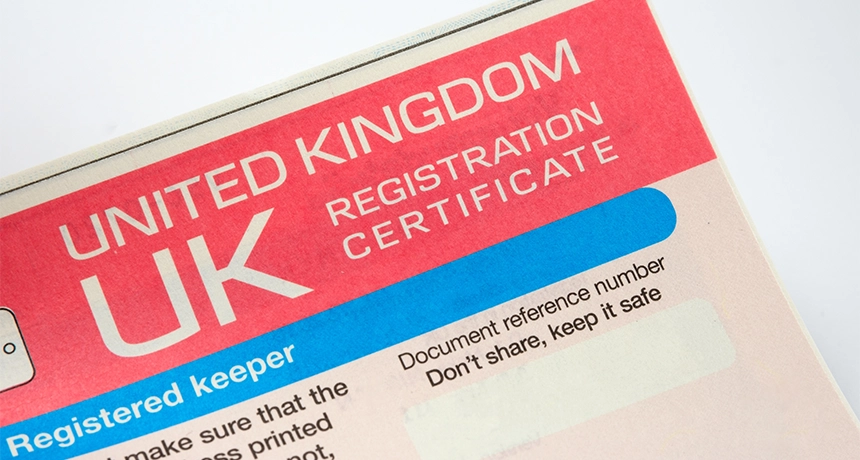
The third red flag we’re going to talk about is a missing V5C document. Again, this is a major red flag when buying a second-hand motorcycle. It points towards the bike being stolen or that it has been an insurance write-off. Without a legitimate V5C or official proof of ownership, getting legal road tax, an MOT, or valid insurance is basically impossible.
Why does a V5C matter
The V5C logbook (vehicle registration certificate) is the single most important legal and ownership document for a motorcycle in the UK. This is because it proves registered ownership, confirms identifiers, and prevents buying stolen bikes. It also exposes hidden issues by running background checks for outstanding finance or insurance write-offs.
Legitimate exceptions for not having a V5C
While it is important to have the V5C, and the DVLA never advises buying a motorcycle without it, there are a few legitimate, verifiable exceptions where it might be genuinely missing.
- It is a barn find, classic restoration, or vintage bike
- The seller just bought it, and the new V5C hasn’t arrived yet
- It is a dedicated, off-road track or MX bike
- It is a recent grey or parallel import
- Document awaiting a private plate transfer
When you should walk away
Knowing when to walk away is important; this should be if the V5C logbook is missing without a legitimate reason, the VIN or engine numbers do not match the paperwork, or the seller’s name and address do not align with registration details.
Red Flag #4: No Service History or Maintenance Records

As I touched on earlier, another common red flag is no service history or maintenance records. Not having these to hand prevents you from knowing whether vital care like oil changes, valve clearances, and filter replacements were ever performed.
Having a full history versus partial history
Having a full history (a stamped dealer book or comprehensive receipt file) proves regular scheduled maintenance, including things like oil changes, valve checks, fluid swaps, etc which gives a reliable paper trail for mileage progression.
A full service history is not always necessary, and a partial history is acceptable if the bike’s physical condition, MOT records, and price reflect the gap. This can make a bike cheaper; also, many bike enthusiasts maintain their own bikes and keep box loads of oil/filter receipts instead of dealer stamps.
| Full Service History | Partial Service History |
|
Proves regular maintenance records |
Some maintenance records available, but gaps exist |
|
Proof of oil changes, valve checks, and fluid replacements |
May include receipts, invoices, or owner-kept records |
|
Easier to verify mileage progression |
More difficult to confirm the bike's complete history |
|
Often increased buyer confidence and resale value |
Can offer better value and a low purchase price |
|
Usually preferred by dealerships and cautious buyers |
Common enthusiast-owned bikes serviced at home |
|
Typically commands a higher asking price |
Requires a closer inspection of condition and MOT history |
Receipts & Evidence Matter
Receipts and evidence do matter, because they provide proof of proper care and validate the bike's history; they also protect you from hidden financial or legal liabilities. If the seller is telling you that it has a full service history but can’t show this, then this is a warning sign.
Risk Assessment
Buying a used motorcycle involves financial, mechanical, and legal/ownership risks; the more evidence and documentation you have, the lower the risk the motorcycle is.
Here is a risk mitigation checklist that might just help you out:
- Run a full HPI/vehicle history check
- Call the seller or discuss questions surrounding service history and reason for sale
- Inspect frame symmetry, tyre age codes, fluid conditions, and all lights/switches
- Conduct a test ride
- Be ready to walk away if things don’t feel right
If the motorbike's VIN/frame number and its registration document (V5C logbook) don’t match up, this could mean the bike has been stolen, written off, cloned, or carries a simple clerical error. It's better to walk away than continue with this sale.
Where to find the motorbike VIN
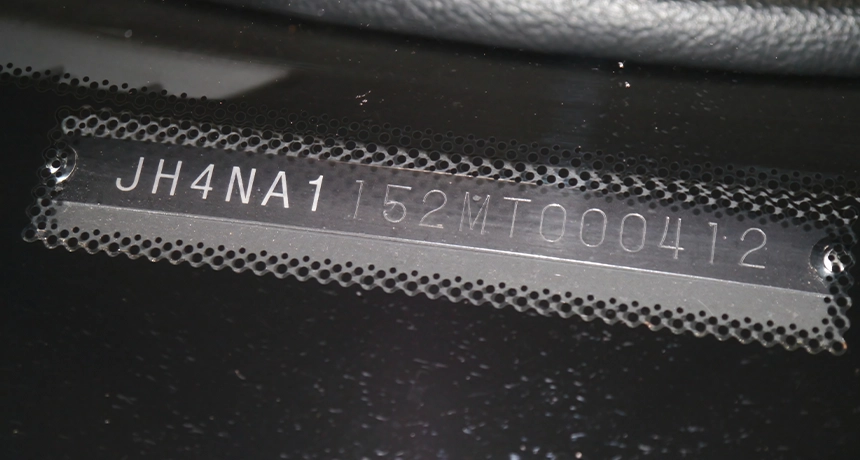
You can find the 17-character Vehicle Identification Number (VIN) or chassis number stamped on the motorcycle frame or listed in official paperwork such as the GOV.UK Vehicle Registration guidelines and your V5C logbook.
Matching paperwork
To verify that the paperwork matches, cross-reference the V5C logbook with the physical bike and the seller's identity and address.
Why do discrepancies matter | The Risks
Discrepancies matter due to potential fraud, mechanical danger, legal trouble, or hidden financial debt. Some key types of discrepancies include:
- VIN and paperwork mismatches
- Missing or salvage/rebuilt titles
- MOT or odometer inconsistencies
- Physical condition vs. claimed history
- Outstanding finance
Red Flag #6: Signs of Crash Damage
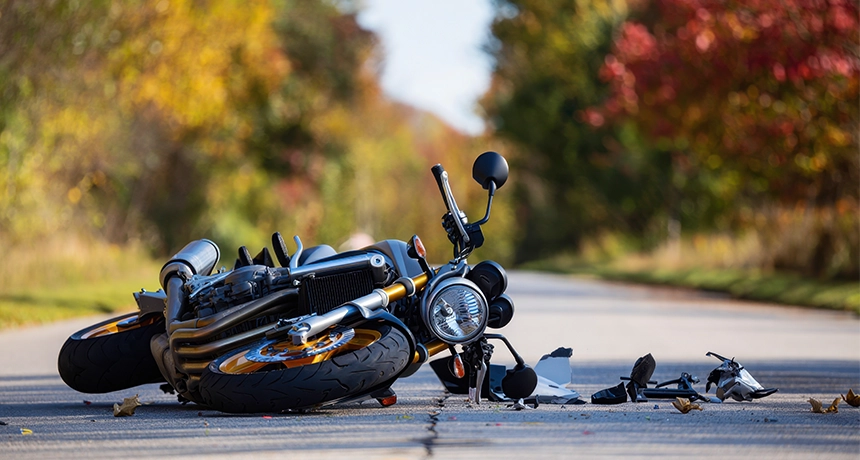
It goes without saying that any crash damage is an automatic red flag. But how you spot this is what you need to be clued up on.
Common indicators of crash damage
- Mismatched or missing panels: Scratches and dents: deep gouges, scuffs, or dents on the fuel tank, mirrors, or side fairings
- Paint overspray: Fresh paint or overspray on rubber hoses, chrome parts, or frame tubes can indicate masked repairs
- Bent or replaced levers/bars: Bent handlebars, twisted forks, or bent gear shift and rear brake pedals
- Footpegs and end weights: heavily scuffed, ground down, or missing hero blobs
- Engine casings: scratches, cracks, or welding repairs on crankcases and clutch covers
- Exhaust pipes: scrapes, dents, or non-standard mounting angles along the exhaust system
Cosmetic versus structural damage
When buying second-hand, it’s important to distinguish between cosmetic damage affecting the bike's appearance and structural damage which affects safety, handling, and rideability.
- Cosmetic damage: Scratches on paintwork, scuffed or cracked plastic fairings, bent levers, cracked mirror housings, torn seat covers, or minor dings in a fuel tank that do not affect the sealing or structural integrity.
- Structural damage: Bent or cracked main frames, twisted subframes, damaged steering head tube, bent or misaligned front forks, bent swingarms, and flat spots or severe impacts on wheel rims.
Questions to ask sellers
Ask the seller questions like:
- Has the bike ever been involved in an accident, dropped, or crashed?
- Is the frame straight, and are there any cracks, welds, or ripples in the metal?
- Does the bike track straight if you momentarily loosen your grip on the handlebars?
- Have the steering stops on the frame been damaged or sheared off?
Red Flag #7: Fresh Paint in Suspicious Areas
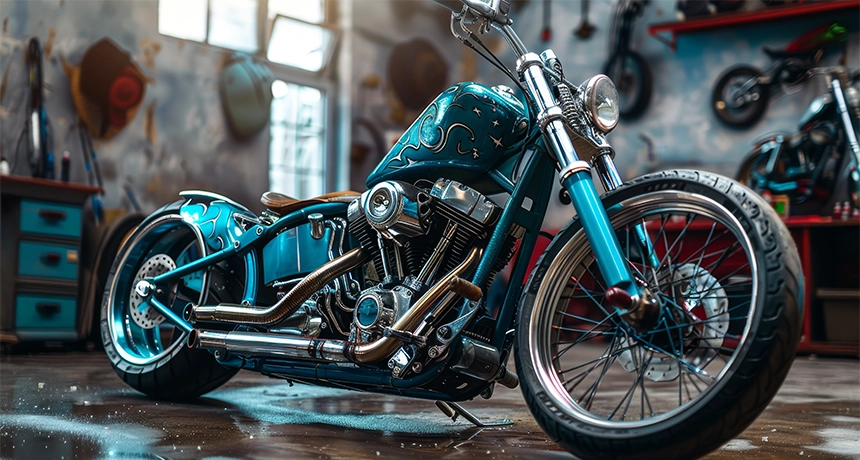
Fresh paint in suspicious areas when buying a second-hand motorcycle is something to look out for. Some high-risk areas to be mindful of are:
- Steering head and headstock: Fresh paint around the neck of the frame where the front forks attach often hides stress cracks, bends, or poor welding from a front-end collision.
- Frame tubes and mount points: Make sure to look along the main frame rails and engine mount points. Any discoloured, thick, or textured paint that doesn’t match the smooth factory finish could mean the metal underneath was warped or cracked.
- Lock stops: Checking the steering lock stops for fresh paint or smashed/welded metal could indicate the bars were slammed hard in a crash.
- Fork legs and triple clamps: Any black or silver paint on the lower fork legs or triple trees could be an attempt to cover up deep road rash, tool marks, or straightening work.
- Engine cases and frame gussets: Resprays on the lower engine covers or frame gussets could be to hide slide damage or impact fractures.
Hidden repairs
Sometimes sellers can easily hide cosmetic flaws or temporary fixes that could turn into more expense later on down the line. Some examples of hidden repairs could be:
- Bent or repainted frames
- Damaged lock stops
- Fork and alignment issues
- Pre-warmed engines
- Oil starvation & stunt damage
- Clutch slip and gearbox wear
Cosmetic cover-ups
Sellers often use cosmetic ‘fixes’ to mask severe structural damage from major crashes or long-term mechanical neglect. Spotting cover-ups can save you money not only from buying an unsafe bike but also from any hidden repairs waiting to arise.
- Mismatched ‘’upgrades’’: a single replaced footpeg, or mismatched bar-ends.
- Brand new engine covers: Could be masking ground-down metal or a cracked casing underneath.
- Heavy bar ends and steering dampers: Brand new handlebar weights or an unrequested steering damper can sometimes be installed to mask a bent handlebar or front alignment problem caused by a front impact.
Red Flag #8: Excessive Corrosion

Excessive corrosion on a second-hand bike can compromise structural safety and signal severe neglect. Here’s where to check for dangerous corrosion:
- Frame and subframe
- Fork tubes
- Fuel tank
- Fasteners and electronics
Storage issues
Where and how a motorcycle is being stored is massively important, so asking this when buying a second-hand bike is necessary. Storing a bike for long periods of time without use can lead to issues such as:
- Fuel system and engine damage: Fuel degrades over time, becoming sticky and clogging carburettors, fuel injectors, and fuel filters. Moisture inside a partially filled tank can also cause internal rust, while condensation may lead to corrosion on cylinder walls and valves.
- Rubber, tyres and fluid degradation: Rubber components can harden and crack with age, while brake lines, coolant hoses and fuel lines may dry out and eventually leak. Brake fluid also absorbs moisture over time, which can result in spongy brakes and corrosion within the braking system.
- Electrical and battery issues: Batteries can lose charge or fail completely when left unused for long periods. Moisture can also cause corrosion in wiring and electrical connections, leading to starting problems, faulty lights, or dashboard warning lights.
Hidden costs of corrosion
Buying a motorcycle with hidden corrosion can turn your bargain into a burden very quickly. Surface rust on chrome or non-structural parts is mostly cosmetic; if the corrosion is hidden or in critical areas, this can cause major issues and expense.
Red Flag #9: Poorly Fitted Aftermarket Parts
A bike that's been modified without proper care could be hiding far more serious problems beneath the surface.
Quality modifications
Not all aftermarket parts are a bad thing. In many cases, upgrades from reputable manufacturers can improve a motorcycle's performance, comfort, or appearance. The important thing is ensuring the parts have been fitted correctly and that any modifications have been carried out to a high standard. Ask whether the seller has receipts, installation records, or original parts, as these can indicate the work was done properly.
Dangerous modifications
Poorly installed aftermarket parts can create serious safety risks. Loose handlebars, incorrectly fitted suspension components, cheap brake upgrades, or poorly routed wiring can all lead to reliability problems or even mechanical failure.
Make sure you’re looking out for uneven panel gaps, exposed wiring, missing fasteners, or parts that appear hastily installed, as these may suggest corners have been cut elsewhere on the bike.
Insurance considerations
Many riders don't realise that aftermarket modifications can affect insurance costs and cover. Some insurers require all modifications to be declared, even cosmetic ones.
If previous modifications haven't been disclosed, you could face higher premiums or complications when making a claim. Before buying, ask for a full list of modifications and always make sure to declare these to your insurer.
Red Flag #10: Warning Lights That ‘Just Need Resetting’
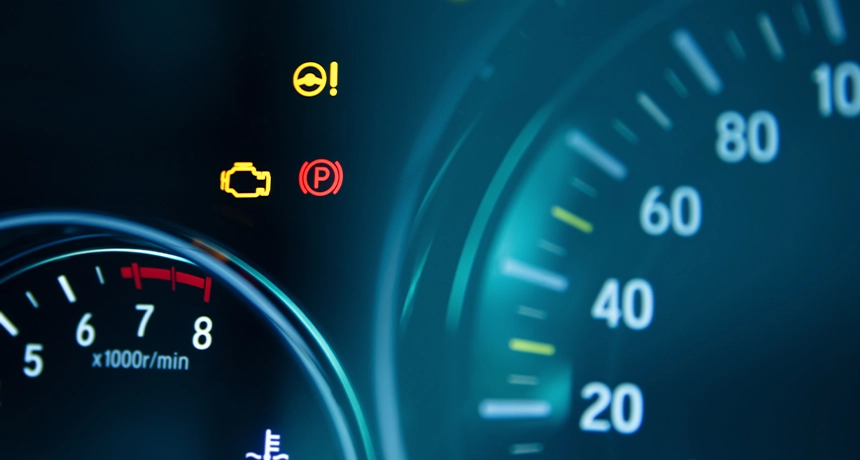
There are a few phrases that should ring alarm bells when buying a motorcycle. If a seller is claiming a warning light "just needs resetting". This is an immediate red flag.
While some warning lights can be triggered by minor issues, they are often an indication that the bike has developed a fault that hasn't been properly diagnosed or repaired.
Common excuses sellers may give you
When questioned about warning lights, some sellers will maybe try to downplay the issue with explanations such as "it's just a sensor", "the battery was disconnected" or "it only came on recently". While these claims may sometimes be genuine, they're impossible to verify without proper diagnostics. If the fault is truly minor, there's little reason why it shouldn't have been fixed before the bike was put up for sale.
Hidden problems warning lights can give you
Warning lights can indicate a wide range of underlying issues, from faulty sensors and low battery voltage to more serious problems involving the engine, ABS, traction control, or charging system.
Even if the motorcycle appears to ride normally, an active warning light suggests that something isn't functioning as intended. Before buying, consider having the bike scanned for fault codes or ask the seller to provide evidence showing the issue has been properly resolved.
Red Flag #11: The Bike Doesn’t Start from Cold

A motorcycle that struggles to start from cold could be hiding issues with the battery, fuelling system or engine itself. If a seller has warmed the bike up before you arrive, ask why, as a cold start often reveals problems that a warm engine can mask.
Why sellers warm bikes beforehand
Some sellers warm a motorcycle up before a viewing to make it easier to start and potentially hide issues such as a weak battery, poor fuelling, or excessive exhaust smoke. If the engine is already warm when you arrive, ask whether the bike was started specifically for your visit.
Issues cold starts can reveal
A cold start can reveal a range of underlying problems that may not be obvious once the engine is warm. Difficulty starting, excessive smoke, unusual noises, or an uneven idle can all point to issues with the battery, ignition system, fuelling components, or engine wear.
Red Flag #12: MOT Advisories Keep Reappearing
Repeated MOT advisories can be a sign that an owner is carrying out only the bare minimum maintenance needed to keep a motorcycle on the road. While a single advisory isn't necessarily a deal-breaker, the same issues appearing year after year should raise concerns about how well the bike has been cared for.
Using & Reading MOT history effectively
A motorcycle's MOT history can provide valuable insight into its condition and maintenance record. Before viewing a bike, check its MOT history online and compare any advisories or failures against the seller's claims, service records, and repair receipts to see whether problems have genuinely been addressed.
Patterns to look for
Pay close attention to advisories that appear across multiple MOT tests, particularly those relating to tyres, brakes, suspension, steering and corrosion. Recurring issues can indicate a pattern of neglect and may suggest there are other underlying problems that haven't yet been identified.
Red Flag #13: The Seller Wants a Deposit Before Viewing
Being asked to pay a deposit before you've even seen a motorcycle in person should immediately raise suspicion. While deposits can be used to reserve a bike after a viewing, reputable sellers will rarely ask for money upfront, making this a common warning sign of scams and fraudulent listings.
Marketplace scams

Marketplace scams happen far too frequently, with scammers using attractive prices and convincing adverts to lure unsuspecting buyers. Some scammers will ask for a deposit to "secure" the bike before a viewing, while others may claim they're out of the country, unable to meet in person, or dealing with multiple interested buyers to create a sense of urgency.
If a deal feels rushed or too good to be true, it's worth proceeding with caution. We've covered the most common warning signs and how to avoid them in our dedicated guide to spotting marketplace scams here.
Safe buying practices to follow
When buying a used motorcycle, always view the bike in person before handing over any money and be wary of sellers who pressure you into making quick decisions. Check that the V5C matches the seller's details, verify the VIN on the bike, review the MOT and service history, and never be afraid to walk away if something doesn't feel right. Using a secure, traceable payment method and meeting at the seller's registered address can also help protect you from potential scams.
Red Flag #14: Ownership History Doesn't Add Up

Inconsistent or too much ownership history is another big red flag when buying a motorcycle. It's important to ask yourself why so many people have chosen to sell the bike and whether there could be an underlying issue that's causing owners to move it on.
Frequent Ownership Changes
While multiple owners aren't always a cause for concern, a motorcycle that has changed hands several times in a short space of time should prompt further questions. Frequent ownership changes can sometimes suggest recurring reliability issues, expensive repairs, or problems that previous owners were keen to move on from.
Missing explanations
A seller should be able to provide a clear explanation of the bike's ownership history and their reason for selling. If their story doesn't add up, they avoid answering questions, or there are gaps in the motorcycle's history, it's worth investigating further before committing to a purchase.
Red Flag #15: You’re being Pressured into a Decision

Buying a motorcycle should never feel rushed. If a seller is pressuring you to make an immediate decision, it's important to take a step back and consider whether they're trying to prevent you from spotting potential issues with the bike.
Common pressure tactics
Some sellers may claim that they have multiple buyers lined up, that someone is coming to view the bike later that day, or that the price will increase if you don't act quickly. While these situations can sometimes be genuine, they're also commonly used to rush buyers into making decisions without carrying out proper checks.
Why good bikes can wait
A genuine seller will understand that buying a motorcycle is a significant purchase and that you'll want time to inspect it thoroughly. If a bike is in good condition and accurately described, there should be no reason to rush into handing over your money before you're completely satisfied.
Knowing when you should walk away from a sale
Trust your instincts. If the seller becomes evasive, refuses to answer reasonable questions, discourages inspections, or pushes you to make a decision you're not comfortable with, it's often best to walk away. There will always be other motorcycles available, but recovering money from a bad purchase can be much more difficult.
Which Motorcycle Red Flags Should Make You Walk Away Immediately?
| Reasons to Walk Away | Why |
|
Missing or tampered VIN |
Could indicate the motorcycle has been stolen, written off, or illegally rebuilt |
|
Missing V5C logbook |
Makes verifying ownership difficult and can create issues when registering or selling the bike later |
|
Seller wants a deposit before viewing |
A common warning sign of marketplace scams |
|
Severe crash damage |
Structural damage can be expensive to repair and may affect safety |
|
Warning lights that ‘’just need resetting.’’ |
Could be masking underlying mechanical or electrical faults |
|
No service history at all |
Makes it difficult to verify whether the bike has been properly maintained. |
|
Ownership history doesn't add up |
May indicate hidden, undiagnosed problems damage, or documentation issues |
|
The bike won't start when cold |
Can point to battery, fuelling, ignition or engine-related problems |
|
MOT advisories repeatedly reappear |
Suggests maintenance issues have been ignored rather than fixed |
|
Seller refuses inspection or test ride |
May indicate they're trying to hide faults |
|
Prices seem too good to be true |
Can be a sign of a scam, stolen motorcycle or undisclosed issues |
Lexham's Green Flag, Amber Flag and Red Flag System
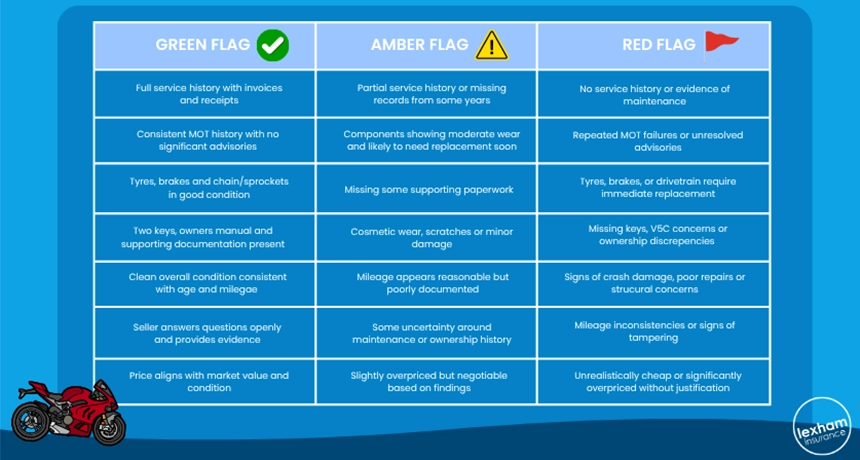
Green Flags
- Full service history with invoices and receipts
- Consistent MOT history with no significant advisories
- Tyres, brakes and chain/sprockets in good condition
- Two Keys, owner's manual and supporting documentation present
- Clean overall condition consistent with age and mileage
- Seller answers questions openly and provides evidence
- Price aligns with market value and condition
Amber Flags
- Partial service history or missing records from some years
- Components showing moderate wear and likely to need replacement soon
- Missing some supporting paperwork
- Cosmetic wear, scratches or minor damage
- Mileage appears reasonable but poorly documented
- Some uncertainty around maintenance or ownership history
- Slightly overpriced but negotiable based on findings
Red Flags
- No service history or evidence of maintenance
- Repeated MOT failures or unresolved advisories
- Tyres, brakes, or drivetrain require immediate replacement
- Missing keys, V5C concerns or ownership discrepancies
- Signs of crash damage, poor repairs or structural concerns
- Mileage inconsistencies or signs of tampering
- Unrealistically cheap or significantly overpriced without justification
Motorcycle Buying Red Flags FAQs

What is the biggest red flag when buying a used motorcycle?
One of the biggest red flags when buying a used motorcycle is missing or inconsistent paperwork. If the V5C logbook is missing, the VIN appears tampered with, or the seller cannot provide proof of ownership, it could indicate the bike has been stolen, written off or cloned.
Should I not buy a motorcycle with no service history?
Not necessarily, but you should proceed with caution. A lack of service history makes it harder to verify how well the motorcycle has been maintained, which could increase the risk of unexpected repairs and maintenance costs in the future.
Is high mileage a red flag?
High mileage alone isn't always a red flag. A well-maintained motorcycle with higher mileage can often be a better purchase than a low-mileage bike that has been neglected. It's more important to consider the bike's service history, condition and overall maintenance.
Are modifications a warning sign to look out for?
Modifications aren't always a bad thing, but poorly fitted or low-quality aftermarket parts can be a concern. Always check that modifications have been installed correctly and ensure any changes comply with insurance and legal requirements.
How can I check if a motorcycle is legitimate?
Check that the VIN, engine number and registration details match the V5C logbook. You should also review the MOT history, inspect ownership documents and consider carrying out a vehicle history check to identify any outstanding finance, theft records or previous write-offs.
When should I walk away from a motorcycle purchase?
You should walk away if the seller cannot answer basic questions, refuses an inspection, pressures you into making a quick decision, or if there are signs of hidden damage, missing paperwork or suspicious ownership history. If something doesn't feel right, it's usually best to trust your instincts and continue your search.
The Last Stop!
Now, hopefully that's made things a little easier, and those red flags will now be impossible to miss! If you are buying a motorcycle, don't forget about insurance - You can get a motorbike insurance quote online with Lexham today!