Let’s face it. Motorcycle insurance can be a minefield, with so many insurers providing varying levels of cover and so many variables that determine the overall premium you ultimately pay.
We get it; you just want to get on the open road and enjoy your machine. There is nothing quite like the feeling of riding a motorcycle, but before you can enjoy the greats of two wheels, you’ll need insurance.
It’s something that can feel like a considerable hoop to jump through before you’re winding through your favourite road on a sunny day, but it doesn’t have to be this complicated and understanding how insurers group your bike is often one of the first steps in getting the most competitive premium.
So, shall we get into it?
What Are Insurance Groups & How Do They Work | Quick Answer
Motorcycle insurance groups are simply the way insurers rate how risky a bike is to cover. Most motorcycles fall into groups 1-17, with some insurers extending the scale up to 1-22 for bikes that carry a higher risk, such as higher-performance or higher‑value models.
Do Insurers Decide Motorbike Insurance Groups?
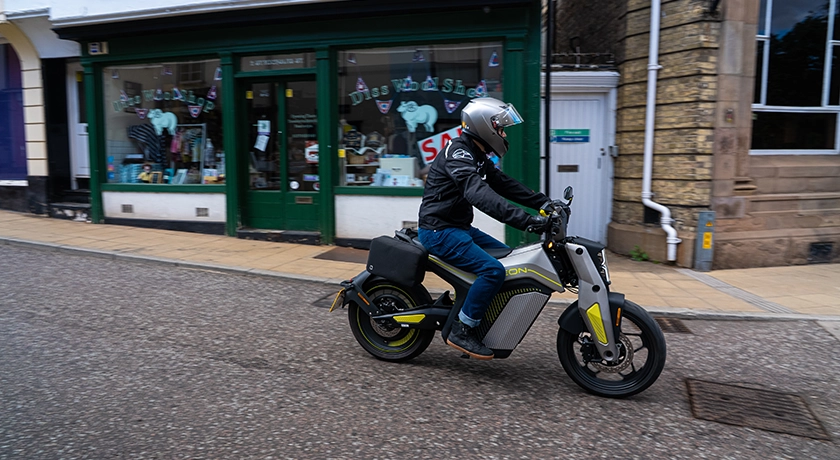
Yes, you will usually find that insurers decide how a bike is grouped. Each insurer uses its own rating process to determine where a motorcycle sits, considering factors such as its performance, value and age.
Because every insurer does this differently, there isn’t a single ‘standard list’ out there, meaning the same bike can land in different groups depending on who you’re getting a quote from, which might explain why some quotes are vastly more or less expensive between different insurers for the same bike and rider.
What Affects a Bike Insurance Grouping?
Grouping is based on a few different factors, but the main three are the engine size (and/or power), how much the bike is worth, and its age.
In short, anything that increases risk, such as (but not limited to) power, price, repair costs, or theft appeal, tends to push a bike into a higher group, while simpler, safer and cheaper models usually land lower on the scale, like many 125cc machines, for example.
What Do These Groups Mean When Setting Up a Policy?
When it comes to setting up a policy, your bike’s insurance group gives your insurer a quick indication of the overall risk involved.
The higher the group, the more your insurer expects repairs to cost or the more likely the bike is to be involved in a claim, which usually means you’ll end up paying a higher premium.
Lower‑group bikes, on the other hand, tend to be cheaper to cover because they’re simpler, less powerful or just generally cheaper to fix.
Think of the group rating as your insurer’s starting point; they’ll, of course, still factor in your age, experience, location and security to finalise the level of risk and then calculate your premium, but the group gives them a baseline before tailoring the final price to you and your requirements.
What Are the Motorcycle Insurance Groups?
Motorcycle insurance groups, simply put, are the numbered categories insurers use to judge how risky a bike is to cover, with lower groups usually costing less and higher groups costing more.
How Many Insurance Groups Are There for Motorbikes & Scooters?
Most bikes are rated in groups 1-17, though some insurers extend the scale up to 1-22 for higher‑risk models.
You’ll tend to find models above 700cc are in the higher groups, and lower capacity bikes will be in the lower groups, but as I already mentioned above, it does differ between insurers, meaning one bike can be in a different group to the next insurer, and so on.
What Is the Highest Insurance Group Rating?
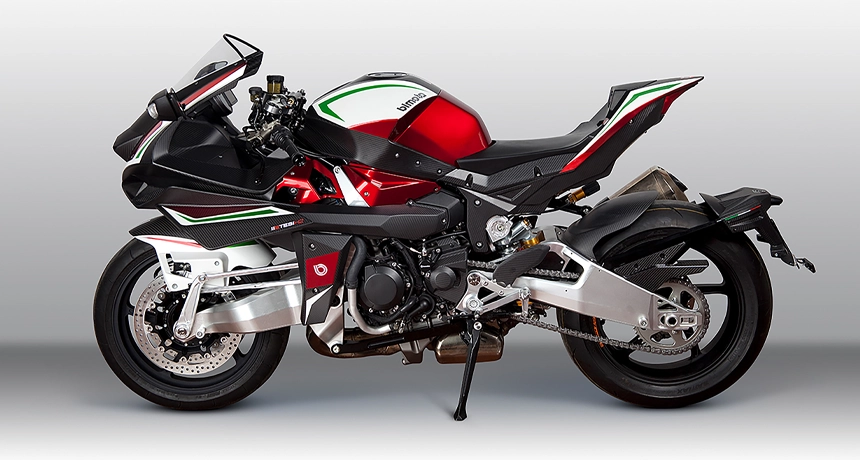
At the top end of the scale, the highest rating you’ll typically see is group 17, and this is where you’ll usually find bikes with higher performance, higher values, or more advanced components, as these models tend to cost more to repair and are often more desirable to potential thieves, which naturally pushes them into the upper tiers.
Some insurers do use extended scales, and those higher brackets are generally reserved for machines that sit firmly in the high-risk category.
Only a small selection of performance‑focused or specialist bikes ever reach these upper ratings, but when they do, you can expect premiums to reflect the increased risk and cost associated with covering them.
What Is the Lowest Insurance Group Rating?
At the opposite end of the scale, the lowest rating you’ll find is group 1.
Bikes in this bracket are typically the simplest, least powerful, and most affordable to repair, which makes them cheaper for insurers to cover.
These are often models aimed at new riders or everyday commuting machines that are straightforward, economical, and carry far less overall risk compared to larger or more performance‑focused bikes.
Are motorcycle insurance groups different from car insurance groups?
Motorcycle insurance groups work differently from car insurance groups because they are simply not as standardised.
With cars, it is usually easy to look up a model’s insurance group, but this is not the case with motorcycles. There is no single public list for riders to check, and each insurer uses its own rating process, which is why the same bike can sometimes fall into different groups depending on who you get a quote from.
Motorcycle Insurance Groups Consideration | Buying a Bike
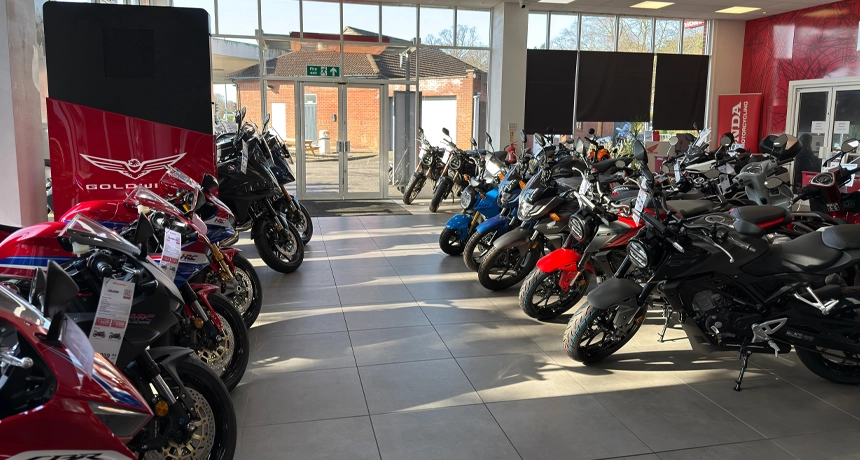
When you’re looking at getting your next bike, insurance groups probably aren’t the most exciting part of the process, but they can make a real difference to what you end up paying. Different bikes fall into different groups, and depending on what you ride and how you ride it, those groups can work either for you or against you.
New riders, A2 licence holders, and delivery riders all tend to look for slightly different things, and what makes sense for one person might not be the best fit for someone else.
With that in mind, the sections below break things down a little further, so you can get a clearer idea of what to expect before you choose your next machine.
New Riders: What Insurance Groups Mean for Your Budget
For new riders, insurance groups can have a noticeable effect on how much you pay, especially in your first year.
I’ve seen and heard of many new riders surprised about the cost to insure their new machine, so it's important to run some quotes before laying down some sterling on something shiny.
The good news is that most beginner‑friendly bikes sit in the lower groups, which helps keep premiums reasonable while you build up confidence and experience. These models are usually simpler and cheaper to repair, which insurers tend to favour, making them a good starting point if you’re trying to keep costs under control.
If you’re 16 and still a little unsure of where to even begin, you can check out our complete guide to Scooter & Moped Insurance for 16-Year-Olds!
A2 License Holders: Group Ratings to Consider
For A2 licence holders, insurance groups become a little more varied because the bikes available at this level cover quite a wide range. Some A2‑friendly models sit in the lower and mid‑range groups, especially those designed specifically for new or progressing riders, while others fall higher up the scale if they offer more performance or come from larger‑capacity models that have been restricted.
Because of this, it’s worth paying attention to where a bike sits before you buy. Two A2‑legal machines might look similar on paper, but depending on their value, power, and the cost of repairs, their insurance groups can be quite different, so taking a moment to run some quotes can help you avoid any surprises and choose something that fits both your riding needs and your budget, even if it's used!
Delivery Riders: Choosing Cost-Effective Bikes

If you’re using your bike for delivery work, keeping insurance costs low becomes even more important to make the job you’re doing seem worthwhile and maximise your earnings.
Bikes in the lower and mid‑range groups usually make the most sense here, as they’re cheaper to insure and generally easier to look after when you’re racking up the miles every day.
Many riders in this line of work tend to stick to models that are proven to be reliable, affordable to run, lighter weight or easier to handle. Our guide to courier and food‑delivery bikes is a handy place to get an idea of what other riders are choosing if you’re not fancying a scooter.
Can You Check Which Insurance Group My Bike Is In?
Unfortunately, there isn’t a single public list that shows which insurance group every motorcycle sits in, as most insurers don’t publish their internal group ratings due to them being unique to the individual insurer.
Because of this, the easiest way to find out how your motorcycle is grouped is to simply run a few quotes, as this will give you a good idea of how insurers are rating your specific model.
What Other Factors Affect the Cost of Motorcycle Insurance?
- Your age and riding experience, with younger or newly qualified riders usually paying more.
- Where you live, areas with higher theft or accident rates often cost more to insure.
- How and where your bike is stored, with secure storage and added security helping to reduce premiums.
- How often you ride and the number of miles you cover each year.
- Your no‑claims bonus, with a clean riding history, helps to bring costs down over time.
- Any modifications made to the bike can increase repair costs and risk.
- The level of cover you choose, from third party through to fully comprehensive.
Together, these factors help insurers build a full picture of risk, which is why two similar bikes can still cost very different amounts to insure.
Tips To Make Your Bike Insurance Cheaper
There are a few practical things that can help keep motorcycle insurance costs down. Most of them are fairly small on their own, but they’re worth keeping in mind, especially when it comes to renewals.
- Good security is a solid starting point, whether that’s locking the bike properly at home or adding extra protection where possible.
- Keeping your mileage realistic when you get a quote can help, as can building up a clean riding record over time.
- The bike you choose plays a part as well, as some models are cheaper to repair or sit in lower insurance groups.
- Where the bike is stored overnight can make a difference too, so if you have access to a garage or a more secure off‑street spot, it’s usually worth using it.
Small changes like these can soon add up and help make your next renewal a bit easier on the wallet.
Why should you choose Lexham for your Motorcycle Insurance?
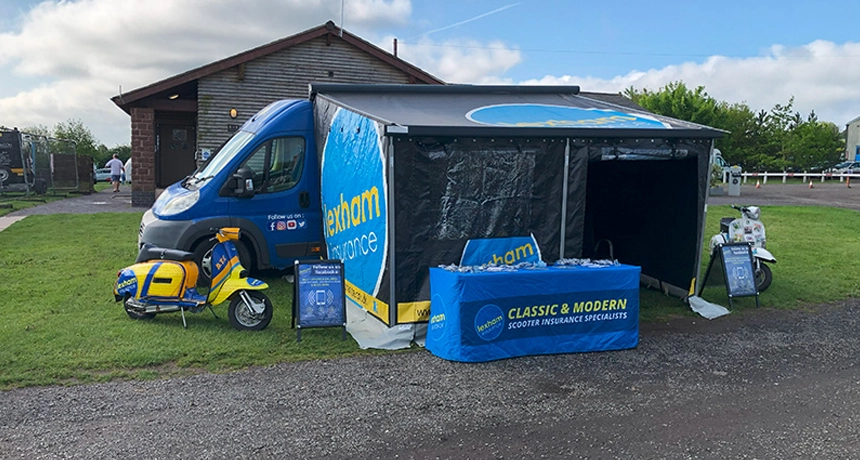
Lexham is a UK‑based insurance broker that focuses on mopeds, scooters and motorcycles. It’s a fairly narrow part of the insurance world, but that focus means most of what we deal with day to day is bikes and the people who ride them.
Alongside more common models, we also insure machines that don’t always fit neatly into standard policies, such as electric mopeds and motorcycles, imports, custom and modified classics, three‑wheel machines and quads.
We work with all sorts of riders too, including newer licence holders and people using bikes for delivery work in busy cities. We’re also regularly out at dealer open days, scooter rallies and motorcycle events around the UK, which helps keep us close to the kinds of bikes riders like you & I are actually using!
The Last Stop!
If Lexham sounds like the right insurer for you and your requirements, make sure to head to our website and get your Motorcycle Insurance quote today!
We hope this article has been helpful.
Thanks for reading, and we’ll catch you on the next one.