Whether you’re interested in just completing compulsory basic training (CBT) or the full motorcycle licence, it is important to stay ‘in the know’ of the processes you must undergo to obtain your different certificates.
In this blog, we will go through every part of the process in detail, with the help of Roger at BikeMatters, starting at the beginning with the CBT and going all the way up to becoming a full unrestricted motorcycle licence holder.
So, with that being said, let’s get into it, shall we?
No Experience with Bikes? No Worries!
If motorcycles, mopeds and scooters are all a totally new concept to you, don’t worry, as you’re one of many!
The idea of getting on two wheels can feel very daunting to begin with, but with the right training and the right guidance, the process is a lot simpler than you may think, and at the end of the day, anyone can learn!
Training Pathways by Goal
Before we get started, it might be worth having a think about what you would like to get out of your training. Whether you’re just after a CBT to get to work or start delivery riding, or whether you want to go all the way to your full license, this guide covers it all, so go ahead and jump to whatever section matches your goal.
Commuting or Casual Riding:
Doing your CBT is a great way to begin this journey and allows you to ride up to a 125cc motorcycle or scooter, depending on your age, so go ahead to the “CBT motorcycle and moped training” section.
Delivery Riding
Delivery Riding can be done after completing your CBT, but extra training can be welcomed. You also need to be aware of the additional costs, associated risks and make sure you hold the correct level of insurance. For this, head to the “Training for Delivery Riders” section.
Licences after your CBT
If you’ve completed your CBT and are looking to level up and gain your A1, A2 or Full A motorcycle licence, head to the “Ready to get a motorcycle licence?” section.
Training Costs and Budget Planning for Beginners
Before you get started on this process, it is also worth noting the associated costs at every stage of whatever licence or training you are planning to achieve. The cost breakdown below gives you an approximate idea of the associated costs, so it’s worth having a look over it before you commit to anything.
Your Provisional
Provisional licence: £34 when applying online via GOV.UK, or £43 if you apply by post.
CBT (Compulsory Basic Training)
Around £150–£200 for a one-day course, often including bike and gear hire.
The Theory Test
£23, booked through the GOV.UK website.
A1, A2, or Direct Access (DAS) training
Usually between £700 and £1,000+, depending on where you live and how many days of training you need.
The Test Fees
Motorcycle test fees: £90.50 in total on a weekday or £104 on a weekend, covering both Module 1 and Module 2 practical tests, but can be included in your training package, so it is worth checking.
How Much is Insurance?
Insurance: Costs can vary a lot depending on your age, location and the type of bike.
Is Gear Expensive?
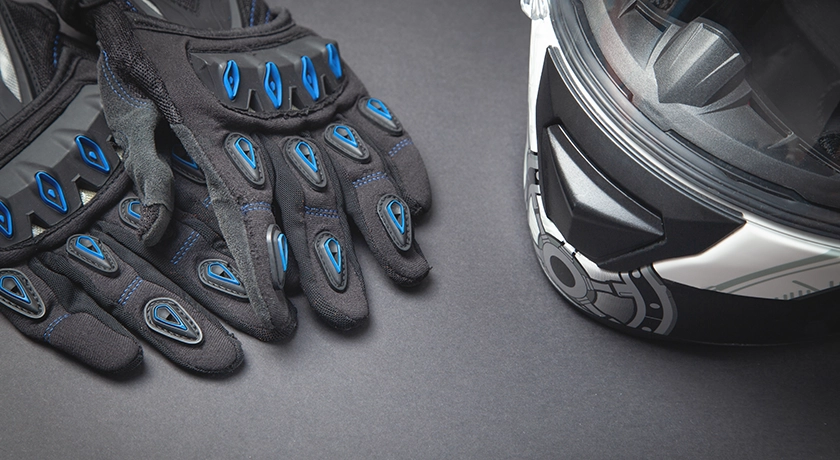
Riding gear: A full set of essential kit (helmet, gloves, jacket, trousers and boots) will typically cost between £300 and £800.
What Else Do I Need for Delivery Riding?
Delivery Riding: For items such as a top box, waterproof clothing, phone mount, and any optional delivery‑rider skill course, you can expect to pay around £200-£400.
The Benefits of Learning to Ride a Motorcycle or Scooter
Regardless of whether you’re a teenager wanting to learn how to ride a moped or motorcycle to gain your freedom, or you’re choosing to switch from a four-wheeler to a two-wheeler, there are plenty of benefits in doing so…
Saving Money
Believe it or not, there are a few potential financial benefits to owning and riding a two-wheeler, including:
- Better fuel mileage per gallon
- Lower maintenance costs
- Cheaper insurance
Ideal for City Commuting
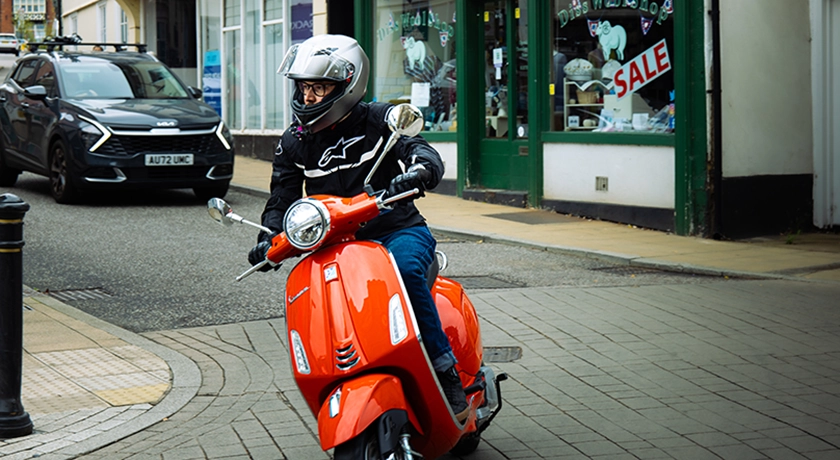
Whether you choose to ride on a 125cc scooter or a 1000cc sportbike, both are equally quick when nipping through busy traffic, but smaller capacity machines are light, agile, and nippy enough to get through and beat the traffic.
So, if your commute to work or school is a busy one, you’ll certainly benefit from choosing a two-wheeler in comparison to a car.
Making Travelling Fun
While this one may be subjective, I’m pretty sure many riders would agree with me when I say that the freedom and feeling of riding on the open road are like no other.
According to research by UCLA, “Just 20 minutes of riding can reduce cortisol levels by up to 28% and increase alertness to levels comparable to light exercise.” As published in an article by the British Motorcyclists Federation (BMF).
So, You Want to Learn How to Ride a Motorbike?
How To Apply for a Provisional Licence
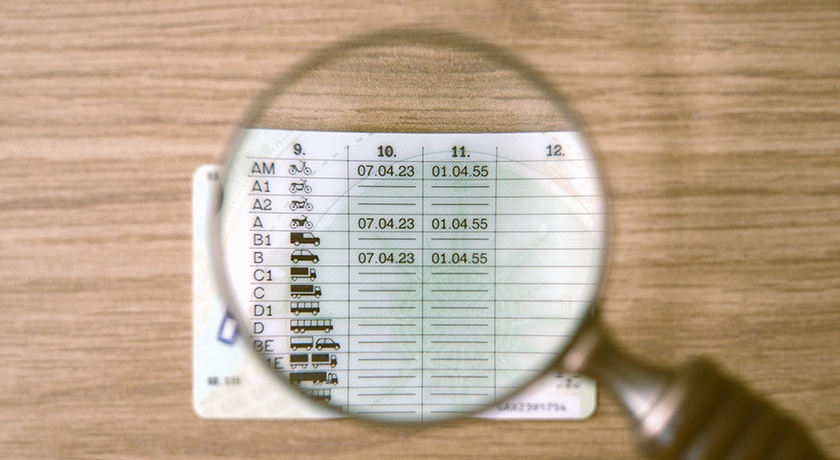
Applying for your provisional licence is a quick and easy process that can be done through the GOV.UK website.
The licence will cost you £34 when you apply online, and you must be at least 15 years and 9 months old, able to read a licence plate from 20 meters away and have also been given permission to live in Great Britain for a minimum of 185 days.
Alternatively, you can apply by post by obtaining and completing a D1 application form from your local post office. Submitting your application by post will come with a slightly more expensive fee of £43, but it can allow you to update your passport-style picture.
To complete your application, you will need to have a valid passport and your national insurance number ready. You may also be asked to provide an address where you’ve lived over the past three years.
According to the Gov.uk website, “Your licence should arrive within one week if you apply online. It may take longer if DVLA need to make additional checks.” But applications can take longer, so bear that in mind when applying, so you don’t book anything that requires it too close.
Book a Motorcycle Theory Test
Once your licence arrives, you are ready to take the next steps! Some people may decide to get straight onto the CBT and get riding, while others will choose to tackle their theory test first- please note, there is no right or wrong way of going about this, it is completely up to you!
Booking your theory test is easy and can again be done online via the GOV.UK website, with a fee of £23.
While you are not required to hold a theory certificate to do either your CBT or your motorcycle lessons, some people prefer to take the theory first to help gain some insight and knowledge on the theory and rules of the road (the majority jump straight into CBT). Remember, a theory test is required to do a motorcycle test, and it is valid for two years.
How To Revise for Your Theory Test
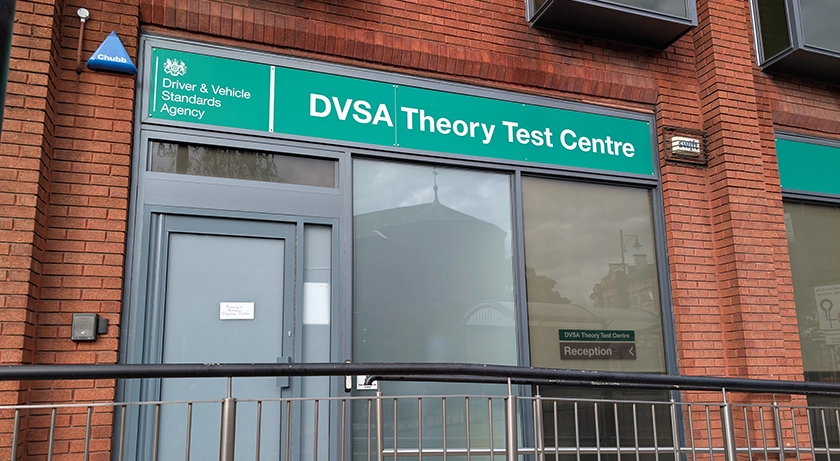
After everything is booked and in place, it is time to start revising and taking into consideration the current wait times for tests. I would recommend starting as soon as possible to avoid waiting around for too long.
BikeMatters Roger recalls the longer waiting times for theory tests, saying:
"I was unlucky here as I booked mine just as summer was beginning - the most popular time to get on a bike! As a result, I had almost a full month to wait before I could take the test."
However, if you are only planning to do CBT to get out on a moped or scooter, this isn’t a concern, as some theory elements will be covered during your CBT.
CBT Motorcycle and Moped Training
What is CBT?
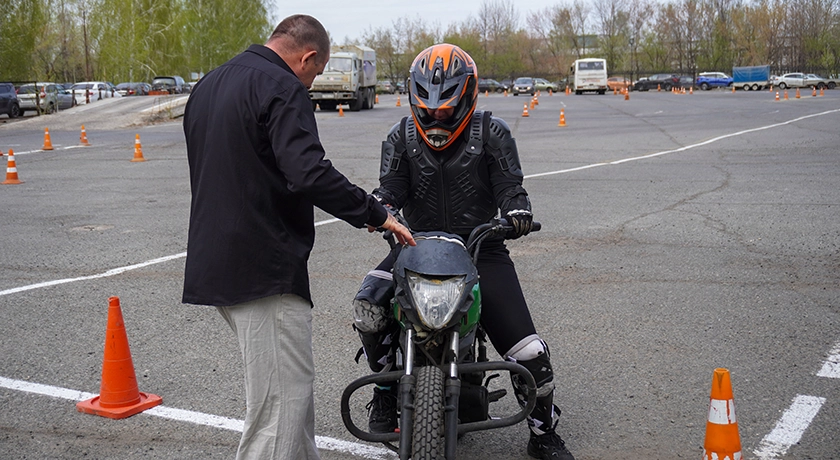
Compulsory basic training (CBT) is a course you typically take to allow you to ride a motorcycle or moped on the road.
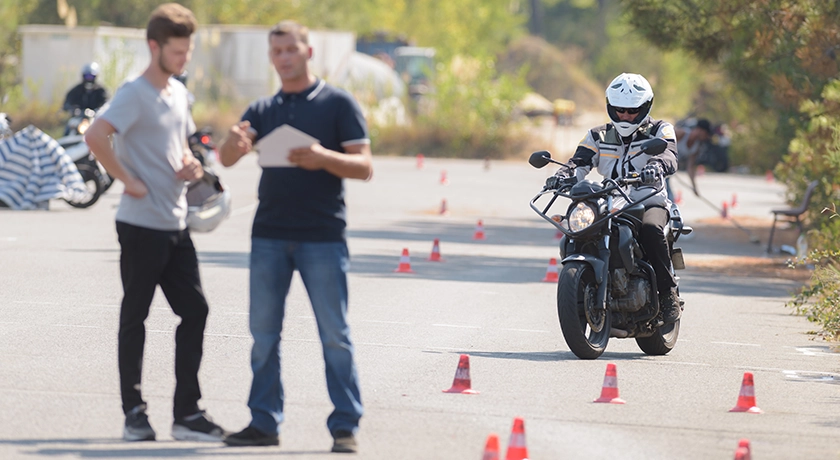
Your CBT will be completed over a single day, covering elements of theory and knowledge, as well as getting out on the road.
Once you have completed your CBT, it will last you up to two years before it expires, allowing you (if you are 16) to ride a scooter or moped up to 50cc or, if you are 17, ride up to a 125cc with a maximum of 14.7BHP and L plates.
After the CBT expires, you can either retake the course or go on to complete further tests for an A1, A2, or Cat A licence (You'll need a valid CBT to take your test).
Can I Still Do CBT With an Electric Motorbike?
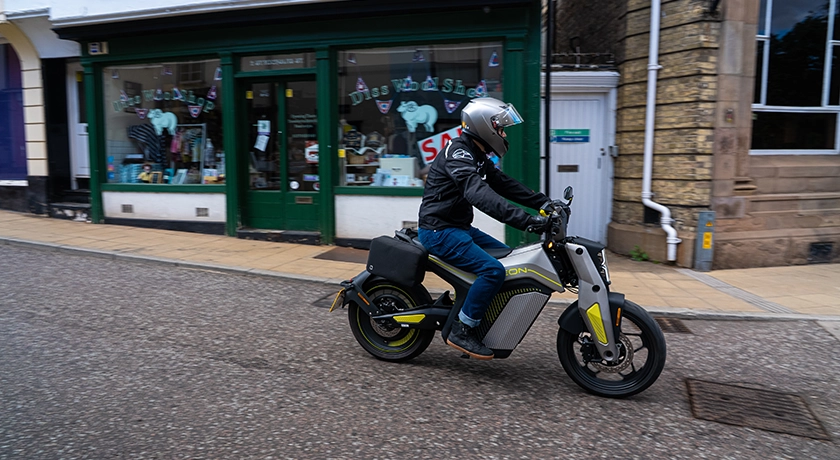
The answer is yes. You do not need to ride a petrol-powered motorcycle to complete your CBT.
If you want to use an electric motorcycle during your CBT, you will need to do it on an electric motorcycle or scooter that has the same power output as a 125cc internal combustion engine bike (11kW).
Find a CBT Centre
The first thing to do is to find where you will take your CBT. There are plenty of training centres offering CBT, so make sure you do your research and ask around for recommendations.
Another way you can easily find a CBT centre close to you is through the GOV.UK website.
What to Expect During Your CBT Training
As we covered in our What does Compulsory Basic Training (CBT) Involve? A guide to passing first time! article, the day of your CBT will be broken up into five sections: An introduction, on-site training, on-site riding, on-road training and on-road riding.
Understanding what you’re being assessed for at each stage can help you feel more prepared for the day ahead and help you prepare more efficiently.
BikeMatters Roger recalls when he went for his CBT:
"It was quite a long day, around 8 hours in total, and I felt surprisingly tired at the end of it, but I had my CBT and had experienced road riding for the first time. From here, I was free to take a 50-125cc scooter onto the road with L-plates if I desired, and if that is your goal, this is all you have to do!"
A key thing to remember as a complete beginner is to take your time and not feel pressured to keep up with others who may be more advanced. Simply enjoy the experience, and you’ll soon pick it up.
Training for Delivery Riders
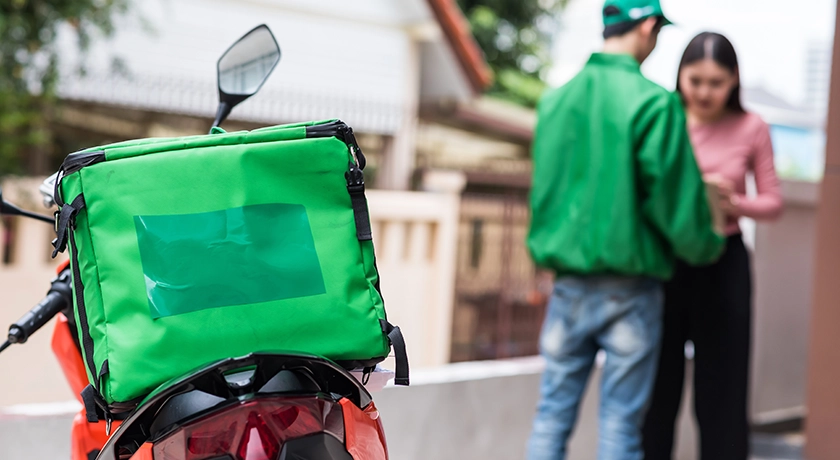
If your focus post-CBT is to begin delivery riding, whether that’s with Deliveroo, Just Eat, or UberEats, there are a few extra things worth knowing before you jump straight into it.
Additional Training
Whilst your CBT gives you a basic understanding of road riding and manoeuvres, delivery riding can be a totally different world with long hours being spent in busy environments, often in the dark, combined with bad weather, extra weight and deadlines to meet. You’ll also need to know how to safely filter traffic and navigate around in these situations, too.
Additional training courses can help with this from places like Phoenix Motorcycle Training, who offer a ‘CBT Plus’ course aimed at giving you more skills on your own bike to keep safe on the road, if you think you require it.
Starting Deliveries
Make sure you always stay hydrated, take breaks and resist the urge to rush between deliveries, as whatever app you use will track your safety and reliability, so being sensible pays off.
Once you’re ready to begin delivery riding, you may be lost in the depths of all the different apps available to you to set up on, which is why we’ve simplified it with our guide to ‘Which is the best delivery app in the UK?’.
How Much Can I Earn?
As covered in our How much do delivery riders earn in the UK? guide, you’ll also need access to your own motorcycle or scooter, a valid motorcycle CBT or full motorbike license, be at least 18 years old and hold suitable delivery rider insurance. As well as this, you’ll also need some must-have accessories like a top box, waterproof clothing and a phone mount.
If you’re wondering if it is all worth it and whether you’d gain much return on your investment, according to Glassdoor, the average salary for a delivery rider is between £19,000 and £29,000 a year. However, this can depend on a range of factors, including the hours you work, the amount of tips you’re receiving and the cost of running your vehicle, but if you wanted to read more into this and find out your fees, best ways of earning and the benefits to delivery riding, head to our ‘Is becoming a delivery rider worth it? The Pros & Cons of Delivery Riding’ article on the Lexham blog.
Ready To Get a Motorcycle Licence?
Choose The Right Course for Your Needs
There are various courses out there for you, depending on your age.
You can take your moped licence at 16, allowing you to ride up to 50cc mopeds with a top speed of 28mph. At 17, you can take your Category A1 to ride motorcycles up to 125cc but without L-Plates, whilst gaining the ability to ride on motorways and carry a pillion.
At age 19, you are eligible to take a Category A2 licence, which allows you to ride motorcycles up to a power output of 47hp. The A2 market is an expanding area right now, with manufacturers producing a range of great motorcycles to fit in this bracket with ever-improving performance and looks.
If you are this age and are thinking about getting on a motorcycle, it’s definitely worth taking a look at what’s on offer now (you can head over to our Top 10 A2 motorcycles article if you need some guidance).
Advanced Motorcycle Training: DAS (Direct Access)
Once you reach the age of 24 or have held an A2 licence for two years, you will be able to obtain your full motorcycle licence by taking a Direct Access course and passing all the practical tests. A full motorbike licence will entitle you to ride whatever machine you desire, regardless of power.
If you are looking to get your DAS certificate, your best bet is to call up your local motorcycle school, as they are the ones who can book the tests for you.
What To Expect During Advanced Motorcycle Training
First things first, when doing your Direct Access course, you must use a bike that is at least 595cc with 67hp or above (if you’re choosing to use an electric motorcycle or scooter).
Typically, the DAS training lasts over a duration of 4 days, but it can be shorter if you have already completed your CBT and have basic riding sorted. Depending on where you live can cost you anywhere between £700-£1000+.
A Typical 4-Day DAS Course Would Include:
- Day 1: The CBT
- Day 2 + 3: Practising Module 1 manoeuvres locally and passing your Module 1 test
- Day 4: Practising on local reads and taking your Module 2 test
How To Prepare for Your Practical Test
The practical test you take to gain your full motorcycle licence is now split into two parts, with module 1 focusing on bike control and manoeuvring, with module 2 consisting of a 30-40 minute road ride.
Depending on your experience level, you may find one more challenging than the other. Roger from BikeMatters says:
"I’ve known people who have been driving cars for years who found the road ride of module 2 much easier since they already had the road fundamentals well practised. At the same time, I’ve also known people from a motocross background who had fantastic bike control and sailed through module 1 only to struggle in the road ride."
It is important to mention that you cannot take your module 2 test until you have completed and passed the module 1 test. So, while you may be eager to get yourself on the roads, it is essential to be patient and complete the tests in the correct order.
Module 1: Bike Control and Manoeuvring
You will start the module one test by completing a series of manoeuvres, starting with a bay park, moving on to switching off the bike, and then walking it to an adjacent bay. From there, the instructors will have you ride slowly and smoothly across a series of cones in slalom, finishing in a figure 8 at the end.
After completing this section, it will be time for the slow ride, where you will be asked to ride in a straight line at a roughly walking pace.
Next up are the U-turn and the short ride across the test area, going around a bend before increasing your speed to 20-30mph and stopping smoothly between two cones.
Finally, you will be asked to complete the last two manoeuvres, the emergency stop and hazard avoidance (these are the ones that people tend to have the most trouble with). They will follow the same pattern as the previous manoeuvres, traversing the bend and then accelerating out of it. The difference is that you must reach an exact speed of above 32mph before either an emergency stop when the examiner signals or swerving around a cone.
Module 2: Road Test
There is not much to say when it comes to module 2 testing. The test consists of a simple briefing, followed by a few questions regarding motorcycle maintenance and safety, and finally, the 30–40-minute road ride.
During the road ride, you will be asked to follow signs on your own to a particular destination for one section of the road test before the examiner gives you the directions for the rest.
Once the module 2 test has been completed successfully, that’s it, you have your licence!
What Is a Good Motorcycle or Scooter for a First-Timer?
Buying your first motorcycle and scooter can be quite a daunting process. If you don’t know where to start, you can check out our full guide on how to choose a motorcycle.
We have also created a few articles on some of the best motorcycles and scooters for first-timers:
- Top 10 125cc Bikes Best for Beginners
- Top 10 Best CBT/A1 Electric Motorcycles for Beginners
- Top 10 Best Scooters & Mopeds for Delivery Work
- Top 10 125cc Scooters 2025
Top Picks for A2 Licence Holders
However, if you are over the age of 19 or have completed the relevant practical tests, and you want something with a little more power and tech, you can opt for an A2 motorcycle or maxi scooter.
Feel free to take a look at just a few of our guides on some of the best A2 bikes and scooters out there today:
Top Picks for Full Unrestricted Licence Holders
When you finally have your unrestricted licence, your choice of bikes is limitless. If you need any direction on which bikes to look out for, we have created a few handy guides to help point you in the right direction.
Finding The Right Motorcycle Gear
While only a helmet is mandatory by law, it is recommended that you invest in a full set of good-quality protective clothing.
If you're going to be commuting daily (and want to protect yourself from the unpredictable UK weather), then you will want to be as safe and as warm as possible. This means motorcycle jackets, trousers, and gloves.
If you only plan to ride in the summer, you’ll likely want to focus on summer riding gear, but if you plan to commute all year round or ride in the winter, you’ll need to get the appropriate winter riding gear for that, instead.
Finding the correct motorcycle gear for you is all about finding the right fit and making sure it offers adequate protection. Your local motorcycle clothing store will be an ideal place to check out for stock and for help with getting the fit right!
It is worth mentioning that if you plan to wear protective clothing over your work gear, you will need to make sure you have a size big enough to fit over anything you will be wearing underneath.
Ready To Ride
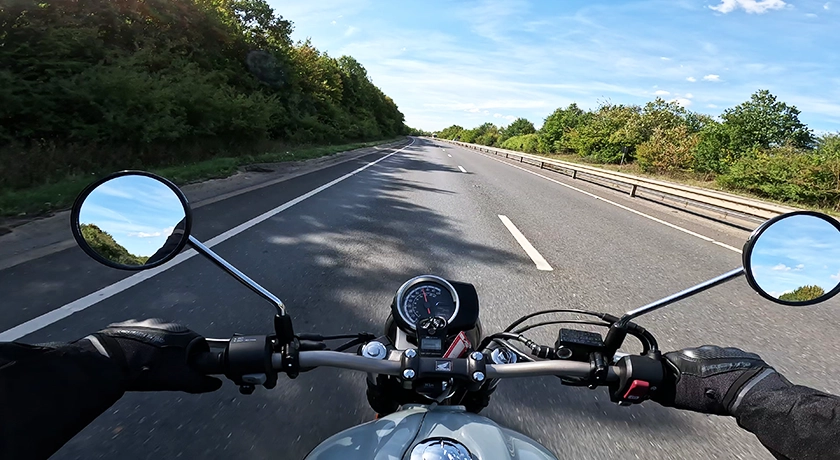
Once you have completed your motorcycle training, you are ready to get out and ride.
BikeMatters Roger recalls when he completed his motorcycle training, stating:
"For me, the entire process from obtaining my provisional to holding a full unrestricted motorcycle licence took about a month and was a great experience. If you have ever dreamed of riding a bike but never got around to it, it really is quite straightforward, and I would encourage you to give it a try. A week after passing my test, riding through the beautiful countryside on my own bike, I couldn’t have been happier than I was!"
The Last Stop!
Before you do get out there and ride, though, whatever motorcycle or scooter you plan to ride on must be insured.
If you're looking to insure your very own motorcycle or scooter personally or for delivery riding, be sure to get your motorcycle insurance quote directly with Lexham!