Motorcycle insurance in the UK can appear confusing if you’ve just started on two wheels and have limited road experience, but by breaking it down, it proves that it’s actually quite simple after all.
Whether you’re riding a 50cc scooter for commuting, a 125cc for delivery riding, or a full‑size motorcycle for weekend trips, it’s important to remember that you must have valid insurance before using any public road in the UK.
In this complete guide, we’ll explain how motorcycle insurance works, talk about the different types of cover, what affects the cost and also give you some general tips for finding the right policy.
Let’s get into it!
What Is Motorcycle Insurance? | Quick Answer
Motorcycle insurance is a legal requirement in the UK designed to protect you financially if you cause damage, injure someone in an accident, or if your bike is stolen or damaged (depending on your level of cover).
What Does Motorbike Insurance Cover?
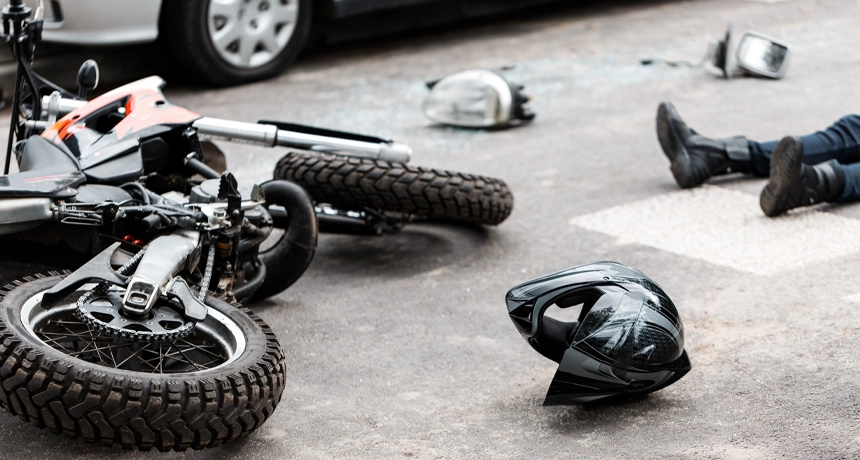
What your insurance covers will depend on the type of policy you choose, but in most (although not all) cases, it will typically include things like:
- Damage you cause to other people
- Damage to another vehicle or property
- Injuries to others
- Theft of your motorcycle
- Fire damage
- Accidental damage to your motorcycle
- Vandalism
- Legal expenses
- Replacement keys, locks or accessories (depending on the insurer)
Why Do You Need Motorcycle Insurance?
By law, every vehicle used on public roads in the UK, whether that’s a car, van, bike, truck or even a trike, must have insurance, so if something goes wrong, the costs are covered.
What Does UK Legislation Say About Having Motorcycle Insurance?
UK legislation requires every motor vehicle used on public roads to be covered by at least Third Party Only insurance.
If you're caught without insurance, you could face a fixed penalty of £300 and six points on your licence, and the Police may even seize your motorcycle. If it then goes to court, they can give you an unlimited fine or even disqualify you from riding altogether, so make sure you’re covered!
The Minimum Requirements
The minimum legal requirement is Third Party Only (TPO) cover, which protects other people and their property if you cause an accident, but does not cover your own motorcycle at all.
Do You Need Insurance for an Electric Scooter/Motorcycle?
Just like their petrol equivalent, road‑legal electric motorcycles (like the Naxeon I AM Pro), as well as electric scooters and mopeds, must be insured, registered, and taxed; essentially, if it has a number plate and can be ridden on public roads, it requires insurance!
How To Get Motorcycle Insurance
Getting insured is actually fairly simple, and it’s even quicker if you’ve got all the right details ready before starting your quote.
Getting a Motorcycle Insurance Quote | The Requirements
To get a quote, insurers will usually ask for:
- Your age and date of birth
- Your occupation
- Your address and where the motorcycle will be kept
- Your licence type and riding experience
- Your motorcycle’s make, model, value and any modifications or accessories
- Annual mileage
- Whether you have any security devices or markings
- No Claims Bonus (Typically requires proof)
- Any previous claims
- And any points or driving convictions
And don’t forget: all your details must be accurate, as even small mistakes can invalidate your policy.
Can You Get Insurance Without a Bike Licence?
Some insurers offer insurance for learners riding on a CBT, but for larger or more powerful motorcycles, a full licence may be required, so make sure to double-check with the insurer before committing to a policy.
Declaring Modifications and Points on your Licence
If your motorcycle has any modifications, such as cosmetic or performance‑related upgrades like an aftermarket exhaust or custom paintwork, you must declare them on your insurance policy.
You must also declare any penalty points or convictions, as failing to do so may void your policy and could result in cancellation, fines, rejected claims, or even prosecution for riding without insurance.
Choosing Between Insurance Types
In the UK, motorcycle insurance is split into three main types, with each of them offering a different level of protection depending on how much cover you need.
Third Party Only (TPO)
Covers:
- Injury to others
- Damage to another person’s vehicle or property
Does not cover:
- Damage to your motorcycle
- Theft
- Fire damage
Third Party, Fire and Theft (TPFT)
Covers everything included in TPO plus:
- Fire damage to your motorcycle
- Theft, or attempted theft
Comprehensive
Comprehensive insurance offers the highest level of protection, including:
- Third-party cover
- Theft
- Fire
- Accidental damage to your motorcycle
- Vandalism
- & Damage caused by unknown third parties
| Third Party Only (TPO) Insurance | Third Party, Fire & Theft (TPFT) Insurance | Comprehensive Insurance | |
| Collide with a vehicle when riding | Yes | Yes | Yes |
| Damage a parked vehicle | Yes | Yes | Yes |
| Crashing into a property (ie, fence, gate & shop front) | Yes | Yes | Yes |
| Cause injury to another road user or pedestrian | Yes | Yes | Yes |
| Fire damage affecting your motorcycle | No | Yes | Yes |
| Damage to your own motorcycle | No | No | Yes |
| Theft of your motorcycle | No | Yes | Yes |
| Injury sustained by you while riding | No | No | Yes |
Which Motorcycle Insurance Is Best for You?
Choosing the right level of cover is a personal choice, and it ultimately boils down to your machine, your budget and how you use it. What’s right for you may not be right for the next person, and vice versa.
Only Get Covered for What You Need
- Higher‑value motorcycles, such as Harley’s £41.5k Road Glide ST, usually benefit from comprehensive insurance.
- Older or lower‑value motorcycles, like Kawasaki’s venerable 2005 era ER-6F, may be suitable for TPFT.
- & Very low‑value or budget commuter bikes, such as the Benelli BN125, may only require TPO.
Other Cost Factors You Will Need to Consider
Insurance isn’t the only cost linked to riding. You should also factor in:
- Road tax
- MOT tests (for motorcycles over three years old)
- Servicing and maintenance
- Appropriate riding gear, such as helmets, jackets, gloves, boots, and riding trousers
- Additional training, such as advanced riding courses like BikeSafe
- Security products, such as locks, trackers and alarms
Which Factors Will Affect Motorcycle Insurance?
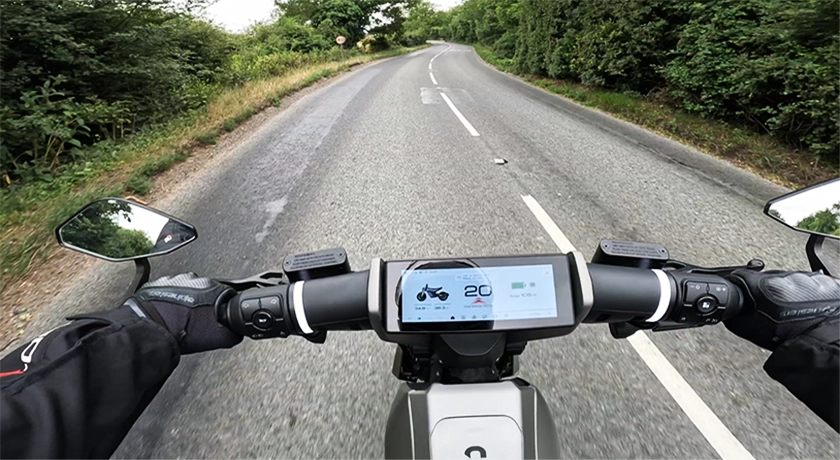
There are many different factors that affect the cost of your insurance premium. By understanding these, it will allow you to make decisions on what you can and can’t change or at least, understand what influences the price of your annual premium.
Your Age
Younger riders typically pay higher premiums due to higher risk levels.
Your Location
Urban or high‑risk areas often have higher insurance prices.
Riding Experience
More experience generally means lower premiums.
Motorcycle Type
Bigger engines, performance bikes or newer motorcycles typically cost more to insure.
Annual Mileage
Lower mileage usually reduces your insurance premium, but deliberately underestimating can lead to policy cancellation and/or denied claims.
No Claims Bonus
The more claim‑free years you have, the cheaper your insurance will usually be, but remember this has to be earned on a motorcycle, not from a car or van policy.
Where The Motorcycle Is Stored
Garaging your motorcycle or storing it securely normally lowers costs as opposed to street parking, for example.
Security Devices
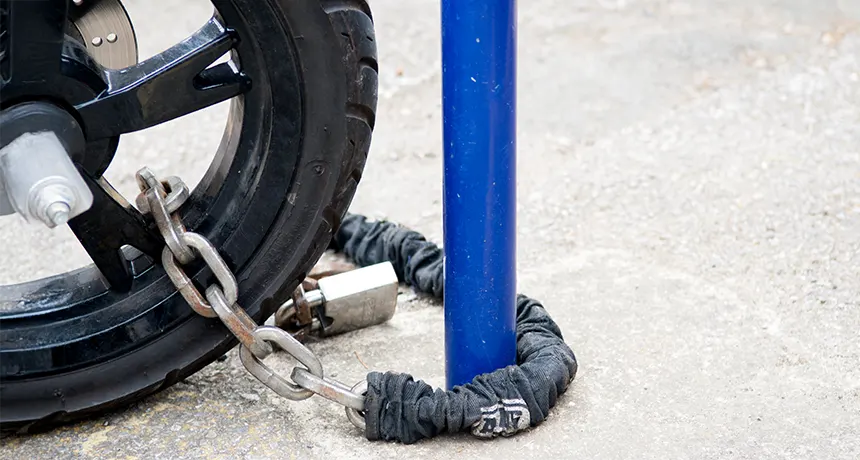
Trackers, alarms and approved locks are reasonably obvious as they reduce the risk of theft.
How Much Does Motorcycle Insurance Cost?
The cost of motorcycle insurance varies widely depending on your age, location, motorcycle make, model and type, your experience and finally, your chosen level of cover.
There isn’t a fixed price, as it varies from person to person and machine to machine due to it being calculated on a risk basis.
How Much Does Motorcycle Insurance Cost in the UK?
Insurance premiums can vary quite a bit depending on both the rider and the motorcycle, as insurers take both into account when calculating the level of risk, but in general:
- Mopeds and 50cc bikes are usually the cheapest
- 125cc motorcycles sit in the middle
- Larger engines from 300cc and above cost more
- Sports bikes are frequently the most expensive to insure
Is Motorbike Insurance Cheaper with a Full Licence?
Yes, (in most cases), riders with a full licence will see lower premiums because they’re considered more experienced and lower risk.
How To Get Cheap Motorcycle Insurance
Getting cheaper motorcycle insurance usually comes down to making small, reasonable changes where you can. While some factors, such as age and location, obviously can’t be changed, there are several steps you can take to potentially lower your premium without compromising your cover.
Make Sure To Compare Your Quotes to Get the Best Deal
Different insurers assess risk in different ways, which means prices can vary significantly even for the same motorcycle and rider details. Comparing several quotes ensures you’re not overpaying and helps you find the most competitive premium available.
Consider Getting a Tracker or Alarm Fitted
Adding a recognised tracker, alarm, or lock makes your motorcycle less attractive to thieves, reducing the likelihood of a claim and often resulting in lower premiums.
Store Your Bike in a Garage Overnight
Where you keep your motorcycle is also a major factor in how insurers calculate risk. Storing your bike in a locked garage or secure storage overnight greatly lowers the chance of theft, which can inevitably help reduce your insurance costs.
Pay Annually Instead of Monthly
While paying monthly can be convenient, insurers frequently add interest or finance charges to monthly instalments, so paying for your policy annually avoids these extra costs and usually works out cheaper overall.
Choose An Older Machine or One with a Smaller Engine
Older or lower‑powered motorcycles typically fall into lower insurance groups and cost less to repair or replace, which often results in cheaper premiums.
Reduce Your Annual Mileage
Riding fewer miles each year lowers your time on the road and, therefore, your overall risk, which can help bring your premium down, but make sure your estimate is accurate, as intentionally stating a lower mileage than you actually ride can cause problems with your policy later on.
Understanding Insurance Jargon
Insurance terminology can sometimes feel confusing, especially for new riders who are just trying to understand the specifics of their policy, so we’ve simplified it by explaining some of the most common terms you’ll come across when arranging motorcycle insurance.
What Are Policy Endorsements?
Policy endorsements are effectively changes or added conditions on your insurance policy, which are there to reflect your specific situation and explain anything that might differ from a standard policy, either expanding or altering your policy.
What Is a Statement of Fact?
‘A statement of fact’, simply put, is a summary of the information you provided when taking out your policy. It provides an easy-to-read list of information, making it simple to spot if anything is incorrect.
What Is Insurance Excess?
Insurance excess is the amount you agree to pay towards a claim before your insurer covers the rest. It’s a mix of what the insurer sets and what you choose as a voluntary amount, officially known as ‘Compulsory’ & ‘Voluntary’ excess.
What Is the Meaning of an Insurance Premium?
An insurance premium is simply the price your insurer charges for providing cover, which you can usually pay either monthly or in one annual payment. The premium itself doesn’t change during the policy term, but it will be reviewed each year when you renew.
Explaining NCB (No Claims Bonus)
No Claims Bonus is a discount you build up for every year you’re insured without making a claim. It’s one of the easiest ways to bring your insurance costs down over time, as each claim‑free year adds another level of discount when you renew.
A lot of insurers also offer the option to protect your NCB for an extra cost, which means you can keep the discount even if you need to make a claim later on. It’s worth noting, though, that NCB is earned on motorcycle policies only, and it won’t transfer over from a car or van policy.
What Happens to Your Insurance When You Buy a New Bike?
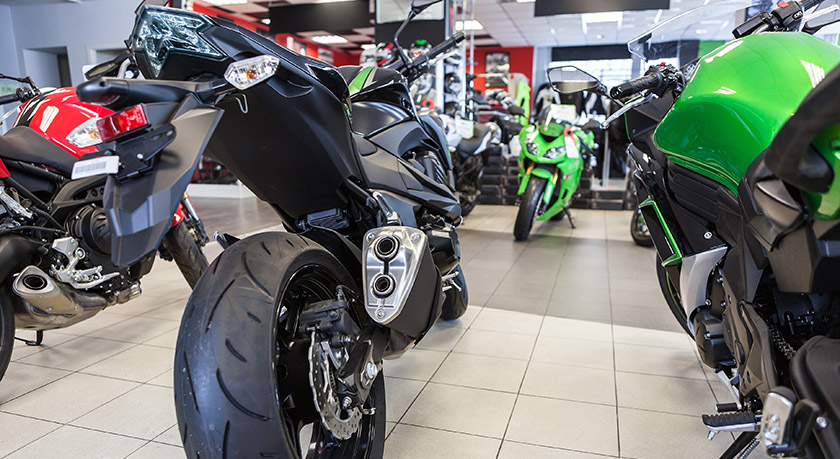
Buying a new motorcycle doesn’t mean you need to cancel your policy straight away, as most insurers will allow you to transfer your existing cover to your new bike, although the price may change depending on its value, performance, and risk category.
Make sure to contact your insurer before riding the new motorcycle, though, to ensure you’re fully covered, as riding without correct insurance can lead to fines, points, or the policy being invalidated.
Should I Cancel My Insurance Policy When Selling My Bike?
You may be able to transfer your policy to your new motorcycle rather than cancelling, saving both cancellation fees and deposits for a new policy.
Can I Insure a Motorbike Without the Registration Plate?
Yes. Some insurers allow cover using the VIN or frame number, but it can prove tricky.
Can I Insure a Bike If I Don’t Have a Logbook or V5C?
Yes, as long as the motorcycle is legally yours and you plan to register it, although it can be considerably more difficult.
Factors That Can Risk Your Policy Getting Voided
Insurance policies can be cancelled or voided if the insurer discovers missing, incorrect, or misleading information. Below are some of the most common reasons a motorcycle insurance policy may be invalidated.
Not Declaring Modifications
Any modifications must be declared, no matter how small it seems. This includes cosmetic changes, performance upgrades or anything that alters the bike from its original factory spec. If a modification isn’t listed on your policy, your insurer may refuse a claim because the risk they agreed to cover is no longer accurate.
Incorrect Or Misleading Information
Providing inaccurate information can invalidate your cover. This includes simple mistakes like the wrong mileage or storage location, right through to more serious details such as undeclared claims or convictions. The reason for this is that insurers rely on this information to calculate your risk, so it must be correct.
Riding A Motorcycle You Are Not Licensed to Ride
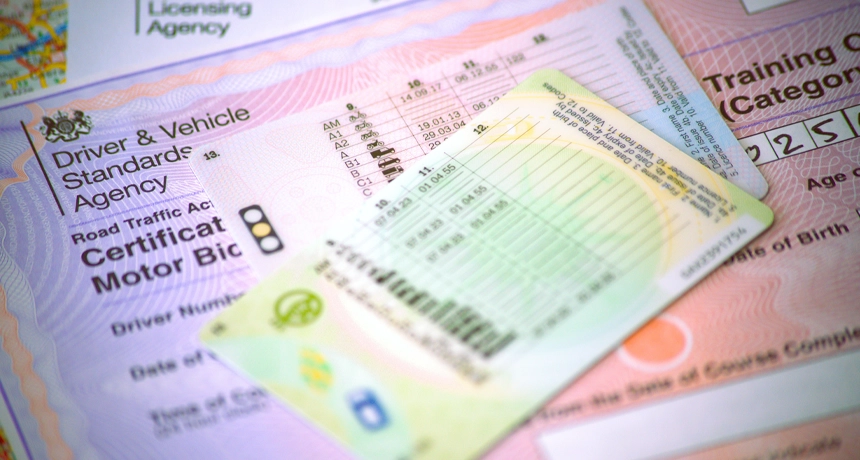
You must have the correct entitlement for the motorcycle you ride. If you’re found riding a bike outside your licence category (like riding a 390 Duke on a CBT, for example), your insurance can be cancelled, and you are likely to face legal consequences on top of that.
The same principle goes for replacing the engine of a 125cc machine with one that is larger in capacity or more powerful than 14.8hp.
Undeclared Commercial Use
Using your motorcycle for delivery work without the right insurance can void your policy. Standard insurance doesn’t cover commercial use like riding for Deliveroo, for example, so if you plan to use your bike for work, you need to make sure it’s included in your cover or hold correct hire and reward insurance, sometimes simply known as ‘delivery rider insurance’.
Not Meeting Security Requirements
If your insurer requires a certain lock, alarm or way of storing your motorcycle, you need to stick to it. If you don’t follow that, your insurer may refuse a claim because the agreed security measures weren’t in place.
Commonly Asked Motorcycle Insurance Queries
Here are some of the questions riders ask most often about motorcycle insurance.
How Can I Check If My Motorbike Is Insured?
You can check using the Motor Insurance Database (MID). Just keep in mind that the system does not update instantly; most insurers update it every 48 hours, but it can take up to seven days for a new policy or any changes to appear on the database.
Can I Ride Someone Else's Motorcycle?
Only if your insurance policy specifically allows it. We’d recommend carefully checking your policy documents before jumping on another machine to ride on the road.
What Happens If You Are Caught Riding a Bike Without Insurance?
You could receive penalties, fines and your motorcycle may be seized.
Why Can’t I Get Insured on a Motorbike?
Reasons may include age, licence type, location, or the motorcycle being considered too powerful.
Can I Ride A 125 Without A CBT On a Car Licence?
Only if you passed your car driving test before February 2001.
Do You Need a CBT If You Have a Full Licence?
No. A full motorcycle licence on unrestricted A or restricted AM, A1 or A2 licenses removes the need to complete your CBT every two years.
The Last Stop!
So, that just about wraps up this article. We hope it has made insurance seem a little less complicated and easier to understand.
And as always, you can get your motorcycle quote direct with Lexham Insurance.
Thanks for reading, and we’ll catch you on the next one!