Being on two wheels is great. The freedom, the thrill and the heightened appreciation of the world around you is like no other, but before you can experience the greats of biking, you will legally need insurance.
It can be seen as something complicated, confusing or totally puzzling to work out, but once you understand the ins and outs, it all becomes very clear indeed.
In this article, we will answer ‘what is comprehensive motorbike insurance?’ and give you all the insight you need to be safe, legal and aware of your coverage requirements.
So, let’s get into it!
What Is Comprehensive Motorcycle Insurance? | Quick Answer
Comprehensive motorcycle insurance (sometimes referred to as fully comp) is one of the three main levels of motorbike cover available in the UK.
It provides the highest level of protection, covering damage to your own bike as well as third‑party vehicles, property and injuries and sits above Third‑Party and Third‑Party Fire and Theft (TPO & TPFT) by offering the strongest peace of mind for most riders.
What Does Comprehensive Insurance Cover?
Fully comprehensive covers the most out of the three levels, including damage to your own bike, third-party vehicles/property, and third-party injuries.
This can include situations like accidentally dropping your bike, being hit by an uninsured driver, or having your motorcycle damaged by vandalism, fire, bad weather or theft, for example.
What Does Comprehensive Insurance Not Cover?
Whilst fully comp covers the most out of the three levels of motorbike insurance, it doesn’t cover absolutely everything.
Examples include general wear and tear, mechanical or electrical breakdowns (unless breakdown cover is added as an extra), riding your bike illegally, using it for purposes not listed on your policy (such as business use if you’re only covered for social riding), or any modifications or accessories not declared to your insurer, such as aftermarket exhausts or custom paintwork.
Pros
-
Covers the most out of the three levels of insurance, including your own bike, third‑party vehicles/property, and third‑party injuries.
-
Covers accidental damage to your own bike, such as accidentally dropping it.
-
Covers incidents involving uninsured drivers hitting your bike.
-
Covers damage caused by vandalism, fire, bad weather or theft.
Cons
-
Does not cover general wear and tear.
-
Does not cover mechanical or electrical breakdowns unless breakdown cover is added.
-
Won’t cover you if riding illegally, such as without the correct licence or using the bike improperly.
-
Doesn't cover uses not listed on your policy, e.g., business use if you're only covered for social riding.
-
Won’t cover undeclared modifications or accessories, such as aftermarket exhausts or custom paintwork.
What Are the Requirements for Riding a Motorcycle in the UK?
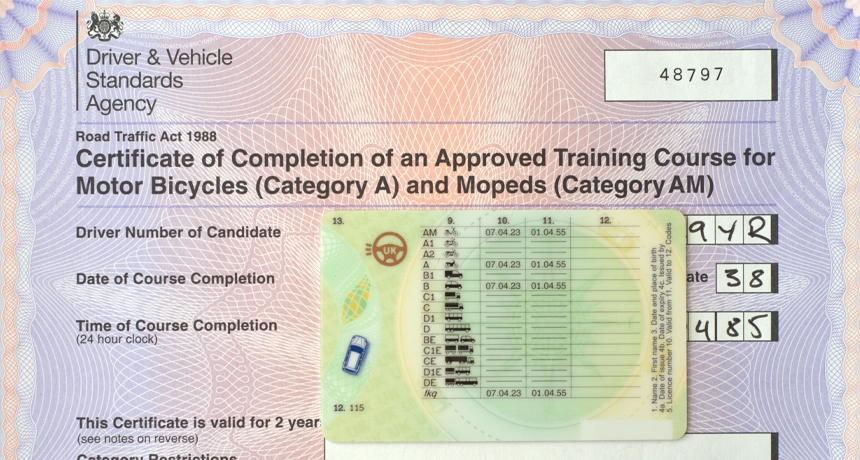
To be able to legally ride on the road in the UK, you must first hold the correct licence or have completed your compulsory basic training (CBT).
The Legal Requirements for Riding on UK Roads
Depending on your age and/or desired machine, you will either need to complete your motorcycle tests or training to begin with. Our guide on licence types & UK requirements goes into this in a lot more detail, so whether you’re 16 and wondering what you can ride or someone in their 60s thinking of getting started on two wheels, it covers it all.
Licensing and training aside, your bike will also need to hold a valid MOT if it’s over three years old, be taxed, and also be insured before you can legally ride it on the road.
Other Factors to Consider
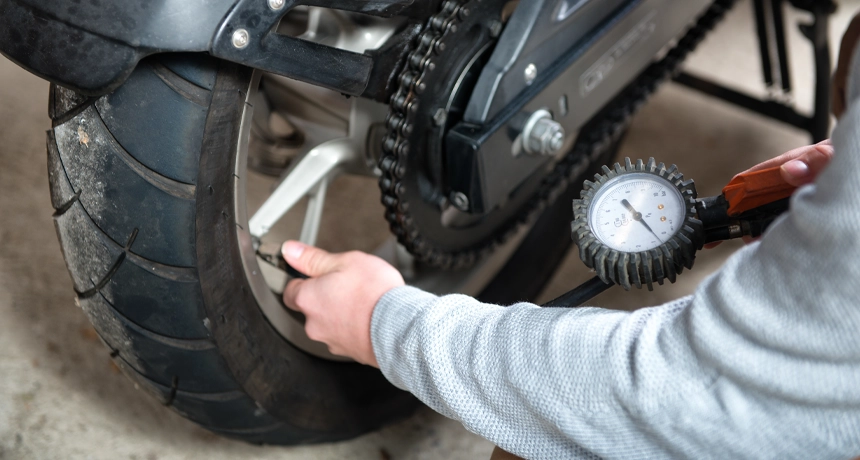
Alongside the legal requirements, there are a few additional factors worth keeping in mind before heading out on the road.
You’ll need to make sure:
Make sure your motorcycle is safe, roadworthy & regularly maintained
Issues such as worn tyres, faulty lights or damaged brakes can lead to varying penalties from fines to prosecution and seizure of your bike, whilst also ultimately (and arguably more importantly) putting you and/or others at risk.
Suitable Level of Protective Clothing
Suitable protective clothing is also strongly recommended, such as a protective jacket, trousers, gloves, boots and of course, a certified helmet.
Know what you can & can’t ride
Lastly, it is important to understand any restrictions that apply to your licence category, as certain bikes may be limited by power or engine size depending on your age and qualification level, i.e. don’t ride a full power MT-07 without a restrictor kit on an A2 licence or a KTM 390 Duke on a CBT, for example.
Comprehensive Insurance | The Process of Making a Claim
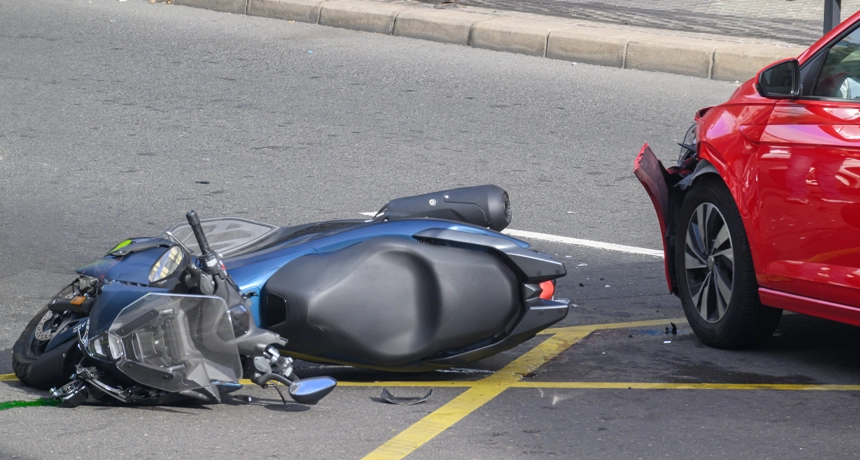
The first step in the process of making a claim is to report the incident to your insurer as soon as possible, even if you don’t plan to make a claim yourself, as insurers usually require that all accidents are reported.
Your insurer will then begin investigating the circumstances of the accident, which may involve reviewing statements from the riders involved, examining photographs of the scene, assessing damage reports, and, in some cases, speaking with witnesses.
If the investigation determines that you were responsible for the accident, your insurer will handle the claim made by the third party.
They will usually negotiate settlements, cover repair costs for damaged property, and pay compensation if injuries occur to a third party.
Examples of Claims Comprehensive Insurance WILL Pay Out For
- Damage to your own motorcycle after an accident, even if you were at fault.
- Repairs if another driver hits your bike, including uninsured or untraceable drivers.
- Vandalism, such as damaged paint, broken mirrors or damaged seats.
- Fire damage, whether accidental or caused deliberately.
- Weather‑related damage, for example, from storms, flooding or fallen trees.
- Theft or attempted theft, including damage caused while thieves try to steal the bike.
Examples of Claims Comprehensive Insurance WILL NOT Pay Out For
- Mechanical or electrical breakdowns, such as engine failure, worn clutches or electrical faults, unless you’ve added breakdown cover.
- General wear and tear, including tyres, chains, brake pads and other consumables that naturally deteriorate over time.
- Riding the motorcycle illegally. For example, riding without the correct licence, MOT, tax, or not following road rules and laws.
- Using the bike in a way not covered by your policy, such as commuting or delivery work when you’re only insured for social and domestic use.
- Damage or loss involving modifications or accessories that weren’t declared to your insurer.
- Claims where the motorcycle wasn’t secured properly, or where required security devices and storage conditions weren’t followed.
Optional Add-Ons for Your Motorcycle Insurance Policy
Whilst fully comp already covers everything you should ever need from your policy, there are additional add-ons that extend the level of cover beyond the standard scope of comprehensive.
They’re not legal requirements; instead, they provide tailored cover for your needs.
Perhaps you own an exotic helmet like an AGV Pista GP-RR or an expensive Rukka jacket and want it covered, or perhaps you value personal injury cover as something vital.
Whatever it may be, optional add-ons are there to give you extra peace of mind…
Breakdown Cover
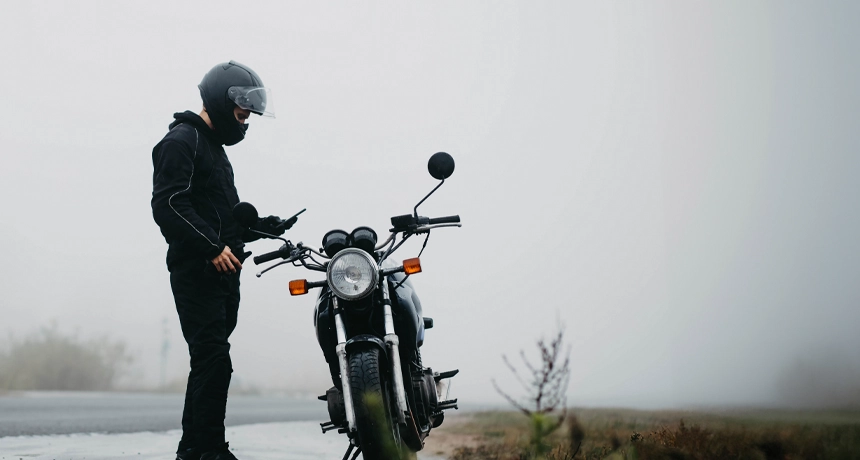
Breakdown cover does what it says on the tin; it provides roadside assistance if your motorcycle suffers a mechanical or electrical issue.
Depending on the level of cover selected, this may include roadside repairs, transport to a nearby garage, or recovery to your home address.
Do remember, though, that a charge per mile is often required for recovery to your chosen destination if it is above the maximum permitted distance (often 10-20 miles), so check this out before committing to the additional cover.
For riders who regularly travel long distances, breakdown cover can provide valuable peace of mind.
Helmets & Leather Insurance
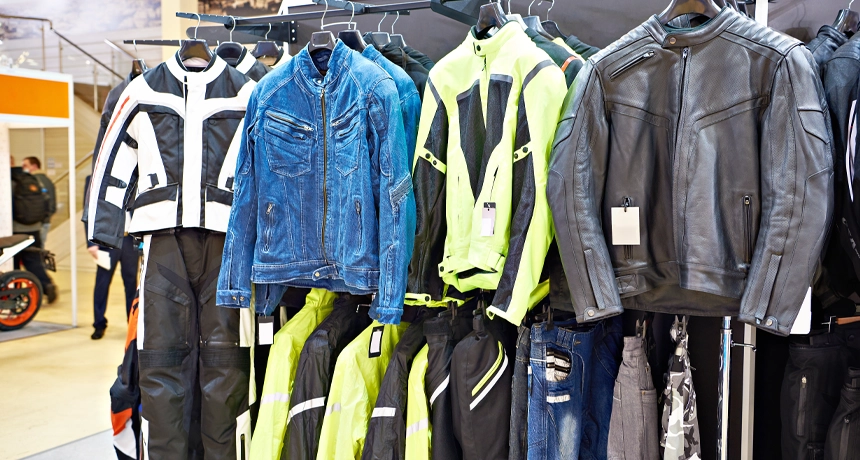
Helmets, jackets, gloves, boots, and riding trousers are essential pieces of protective equipment, and damage to these items during an accident can be expensive.
Helmets and leather cover provides financial protection to replace these items if they are damaged in a crash.
Excess Protection
Most insurance policies include an excess, which is the amount you must pay toward the cost of a claim.
Excess protection is an optional add-on that reimburses this cost after a successful claim, helping to reduce the financial impact of making a claim.
Personal Injury Cover
Personal injury cover also does as it says on the tin by providing financial compensation if you are injured while riding your motorcycle.
This can help cover medical costs, rehabilitation expenses, or loss of income while recovering from injuries.
How Do Insurers Calculate the Cost of Insurance Premiums?
Insurance is calculated on a variety of factors, but it ultimately boils down to the risk factor. Insurers look at things like your age, location, riding history, the type of bike you own, and how you plan to use it.
Your bike’s value and engine size also play a part, as does where you store it and any previous claims.
All of this helps insurers judge how likely you are to make a claim and how much that claim might cost.
Factors That Affect the Cost of Motorbike Insurance
Several factors affect the price of your motorcycle insurance. Insurers consider things like your age and riding experience, the kind of bike you own and how valuable it is, where it’s kept and what security you use, as well as your claims history and how many miles you expect to cover each year.
Younger or less experienced riders often face higher costs because they’re statistically more likely to have accidents, and bikes with more power or a higher price tag typically come with higher premiums for the same reason, such as the supremely exotic Bimota KB998 Rimini, for example.
How To Get Cheap Comprehensive Motorcycle Insurance
Although insurance prices differ from rider to rider, there are several simple ways to help bring your premiums down and building up a no‑claims record by riding carefully is one of the most effective long‑term methods.
Keeping your bike in a secure place, such as a locked garage or Police approved shed, such as the ones produced by Asgard, can also lower costs, as can choosing a model that insurers view as lower risk.
Completing recognised advanced riding courses may also work in your favour, but overall, these steps show insurers that you’re a responsible rider, which can lead to reduced premiums over time. Make sure what you state is accurate, though, as insurers often ask for proof.
Does Car Insurance Affect Motorcycle Insurance?
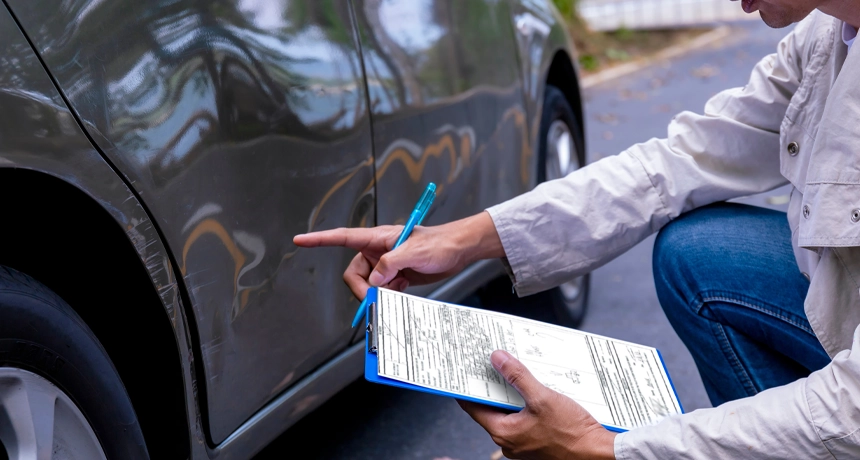
Whilst car policies and motorcycle policies typically don’t influence each other as they’re treated separately (with the same principle being applied to no claims bonus), your driving or riding history (on either two or four wheels) will usually influence the premium as it increases the ‘risk’ factor.
For example, a previous claim on your car policy can make you appear as a higher risk when taking out your motorcycle policy and leaving these undeclared can lead to further issues down the line, so make sure to put them down (if applicable).
The Importance of Comparing Quotes
Insurance premiums can vary widely between companies because each insurer assesses risk differently, meaning one provider can offer a cheaper quote than another for the same rider and motorcycle.
Getting quotes from multiple insurers is therefore one of the best ways to secure a suitable policy at a competitive price, although going direct can sometimes yield the most competitive premiums.
Is Comprehensive Motorcycle Insurance the Only Cover You Can Get?
As I’ve already covered, a fully comprehensive policy is the greatest amount of cover you can get, but for some people it possibly stretches the budget too much or just isn’t required for the machine in question, which is why Third Party, Fire & Theft (TPFT) & Third Party Only (TPO) Insurance exists.
Third Party Only (TPO) Insurance
Third Party Only is the most basic form of cover and exists purely to meet the legal minimum for riding on UK roads. It only covers damage or injury caused to other people, offering no protection for your own motorcycle in any situation.
Because of this limited cover, it’s normally chosen for bikes of lower value, such as the popular commuting-focused 2010 era CBF125 or, equally, machines that riders are less concerned about financially, but it also provides the least reassurance out of all three policy types.
Third Party, Fire & Theft Insurance
Third Party, Fire and Theft (TPFT) insurance sits between basic cover and fully comprehensive policies by providing the same protection as Third Party Only (meaning you’re still covered for any damage or injury caused to others) but also adding reassurance if your motorcycle is stolen or damaged by fire.
Should your bike be taken by thieves or written off in a fire, your insurer may offer compensation for the loss, so for many riders, this added level of protection delivers welcome peace of mind without reaching the price point of a fully comprehensive policy.
When Should You Get Comprehensive Insurance?
Comprehensive insurance is often worthwhile if you rack up higher mileage, wouldn’t be able to comfortably cover repair or replacement costs yourself, or regularly ride in busy urban areas where the chances of an incident are naturally greater.
Although it tends to be more expensive than TPO or TPFT, many riders consider the added protection a worthwhile investment for the added peace of mind it provides.
Factors To Consider When Setting Up a Policy
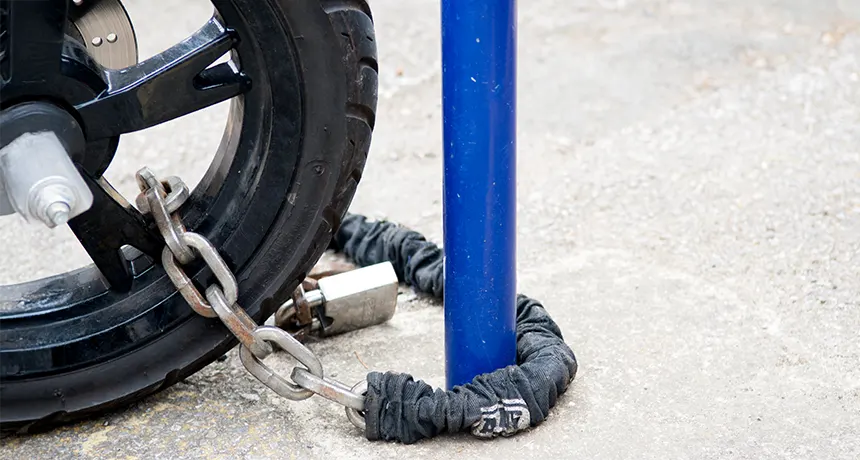
There are many factors you should consider when setting up a policy, but as a starting point, begin by considering the value of your machine.
If you’ve got something brand new, worth a lot of money or worth a lot to you personally, you’ll want to be looking at fully comp, but if you’ve got something cheap purely to just get you to and from your work, college or wherever, third-party cover might be a better pick. Naturally, TPFT sits in between if you’re not too sure, gaining cover for theft and fire damage.
Mentioning getting from A to B, you’ll also want to make sure you select the right usage. You’ll want Delivery Rider Insurance if you’re a courier or delivering food, and you’ll need to make sure to add commuting if you’re using it to get to work. Also, don’t forget to add any previous claims, even if they didn’t happen on a motorcycle and consider where you’re storing the bike and whether you’re using any security or not, as certain locks may provide a discount with certain insurers.
Which Motorcycle Insurance Is the Best?
There is no single insurance policy that suits every rider, as some riders prioritise the lowest possible premium, while others prefer broader protection and peace of mind.
But generally speaking, the best policy is usually the one that balances affordability with the level of protection you are comfortable with. Our guide on ‘What Motorbike Insurance Should I Get?’ dives into this a little more if you are still a little unsure.
When Shouldn’t You Get Comprehensive Insurance?
As I briefly covered above, comprehensive insurance isn’t always the most suitable choice, especially if you’re riding a lower‑value motorcycle, have a limited budget, or simply don’t need the extra cover it provides.
Situational Examples
For bikes that are older, inexpensive or used purely for short, practical trips, the cost of fully comprehensive cover may outweigh the benefits. In these cases, choosing Third Party Only or Third Party, Fire & Theft can be more suitable, as they keep you legal without paying for protection you’re unlikely to need.
If the motorcycle isn’t something you’d be worried about repairing or replacing, such as a cheap commuter or a spare ‘run‑around’, lower levels of cover can also make more sense. If you own more than one bike, it can also be an idea to save comprehensive cover for your main machine and use cheaper policies on the ones you’re less attached to.
In short, comprehensive insurance is usually only worth it when the value or importance of the bike justifies the extra cost. When it doesn’t, stepping down to TPO or TPFT is often the more practical choice.
Delivery Rider & Business Use: Professional Considerations
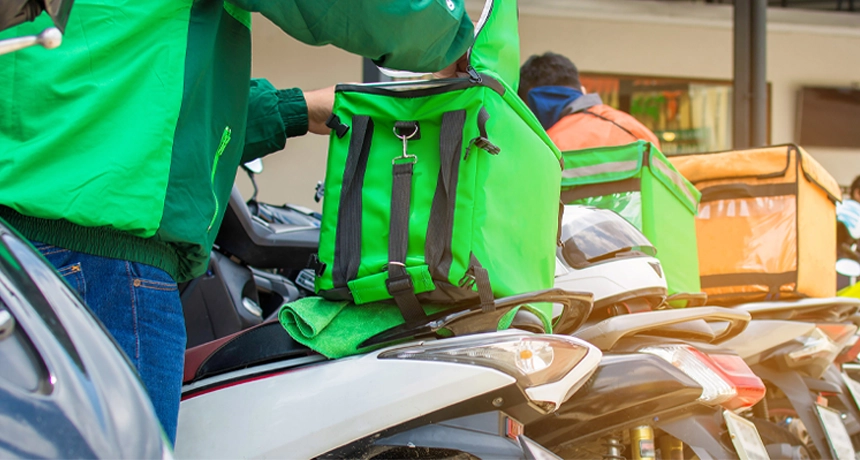
If you’re planning to use your bike beyond the scope of social, domestic, pleasure or commuting purposes, whether that’s as a business tool to travel between locations or as a courier or food delivery rider, you’ll need Delivery Rider or Business Use coverage on your policy.
Because professional riding naturally carries greater risk due to higher mileage, busier routes and stricter schedules, insurers treat it very differently from standard day‑to‑day use. Having the correct usage listed on your policy ensures you stay fully covered while working and prevents any issues if you ever need to make a claim.
Comprehensive Motorcycle Insurance FAQs | Myths Busted
Many riders have common questions and misunderstandings about what comprehensive insurance does and doesn’t cover, so here are some quick clarifications to help clear things up.
Is Fully Comprehensive Insurance the Same as Comprehensive Insurance?
Yes! As I covered at the start, fully comprehensive (fully comp) is just another term for comprehensive insurance.
Does Comprehensive Insurance Allow You to Ride Other Bikes?
Not usually. Some policies offer it, but many don’t, so it’s always worth checking your documents carefully before assuming you can ride another bike, and of course, ensure you have the owner's permission.
Is Comprehensive Motorcycle Insurance Always More Expensive?
Not always. While fully comprehensive cover can be pricier, some riders may actually find it cheaper than TPO or TPFT, depending on their bike, location and riding history, but generally speaking, third party only is usually the cheapest.
Does Comprehensive Insurance Cover Pillions?
Pillion cover isn’t usually included as standard, so if you plan on carrying a passenger, it’s typically something you’ll need to add when setting up your policy, but as always, it’s worth checking your documents to make sure it’s listed.
Can You Get 1 Day Comprehensive Insurance?
You can sometimes get short‑term motorcycle insurance, including 1‑day cover, but it isn’t typically offered as fully comprehensive, and availability varies between insurers, so it’s always worth checking what level of short‑term cover they provide.
Does The Cheapest Insurance Always Mean It’s The Best?
Not necessarily. The cheapest option might tick the legal boxes, but it won’t always offer the level of cover or reassurance you actually need, so make sure to compare what each policy includes rather than focusing purely on price.
Should Beginner Riders Get Comprehensive Insurance?
Often, yes. Many new riders choose comprehensive cover for the added peace of mind it provides, but whether it’s right for you will depend on your bike, your budget and how much protection you feel you need when you’re just starting out.
The Last Stop!
So, that just about wraps up this guide to fully comprehensive insurance.
We hope it’s been useful and gives you a clearer understanding of what coverage is right for you.
As always, if you need insurance, don’t forget to head to Lexham Insurance to get your motorcycle insurance quote today!
We’ll catch you on the next one.