Whether you’re a new rider taking your first steps on two wheels, a weekend rider enjoying relaxed countryside rides, or a delivery rider relying on your motorcycle for work, choosing the right insurance is essential.
One commonly discussed option is Third Party Only cover (TPO), the legal minimum level of protection, and while many assume it is always the cheapest or most suitable, this is not always the case.
In this guide, we break down what Third Party Only insurance covers, what it doesn’t cover, how claims work, and how it compares to other types of motorcycle insurance in the UK.
So, with that being said, let’s get into it…
What will I need to ride my motorbike on UK Roads? | UK Insurance Requirements
Before you can legally ride a motorcycle on UK roads, certain requirements must be met.
Firstly, you must hold the correct licence entitlement for the motorcycle you intend to ride. Depending on your age and experience level, this could range from riding with a CBT certificate on a 50cc moped, all the way to holding a full Category A licence and riding a ‘hyperbike’ like a Kawasaki ZZR1400, for example.
Secondly, your bike must also be properly registered and taxed with the DVLA, and if it’s more than three years old, it must also have a valid MOT certificate.
However, one of the most important requirements of all is insurance.
By law, every motor vehicle used on public roads in the UK must have at least Third Party insurance. This rule exists to ensure that if an accident occurs, there is financial protection available to cover damage or injury caused to other people.
Riding without valid insurance is considered a serious offence, so it naturally comes with serious penalties. If you're caught without insurance, you could face a fixed penalty of £300 and six points on your licence, and the Police may even seize your motorcycle. If it then goes to court, they can give you an unlimited fine or even disqualify you from riding altogether, so make sure you’re covered!
What is Third Party Insurance? | Quick Answer
As a quick summary, ‘Third Party Only’ motorcycle insurance is the minimum legal level of cover required to ride a motorcycle on UK roads. It effectively provides financial protection if you cause damage, injury, or loss to another person or their property while riding your bike.
If your bike is damaged in an accident that you caused, the cost of repairs or even a replacement would typically need to be paid by you, so it's worth weighing up the benefits, as it may save some money now, but think about what could happen and whether you’re prepared to lose the value of your bike in the unfortunate event of an accident.
What does Third Party Only Insurance (TPO) Cover?
A common question that frequently gets asked is ‘What does third party insurance cover?’ This section breaks down exactly what TPO includes.
Third Party Only insurance focuses entirely on protecting other road users and typically includes several types of cover:
- Damage to another person’s vehicle
- Legal costs related to claims made against you
- Damage to someone else’s property, including (but not limited to) buildings, fences, gates, or street furniture
- Injury caused to other road users, pedestrians, or passengers
Without insurance, you could be personally responsible for paying compensation that runs into thousands or, in extreme cases, even millions of pounds…
Third Party Only insurance, therefore, plays a vital role in protecting riders from financial liability when accidents occur, which is why it is the legal minimum in the UK.
What does TPO Insurance Not Cover?
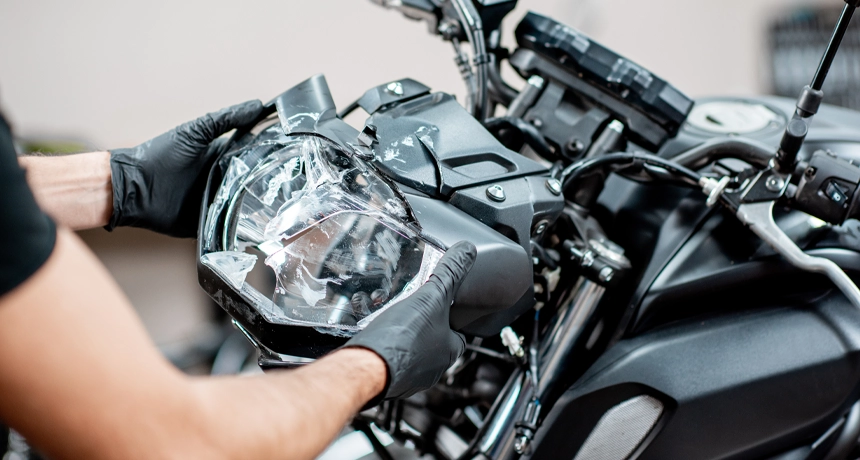
Although Third Party Only insurance protects others, it does not provide protection for your own motorcycle or personal losses.
This means several common (but again, not limited to) scenarios would not be covered under a standard TPO policy, such as:
- Damage to your own motorcycle after an accident
- Theft of your motorcycle
- Fire damage affecting your motorcycle
- Or personal injury to yourself
For example, if you lose control of your motorcycle and crash into a barrier, your insurer should cover any damage caused to public property, but the cost of repairing your motorcycle would typically come out of your own pocket. Ouch!
Third Party Bike Insurance | The Process of Making a Claim
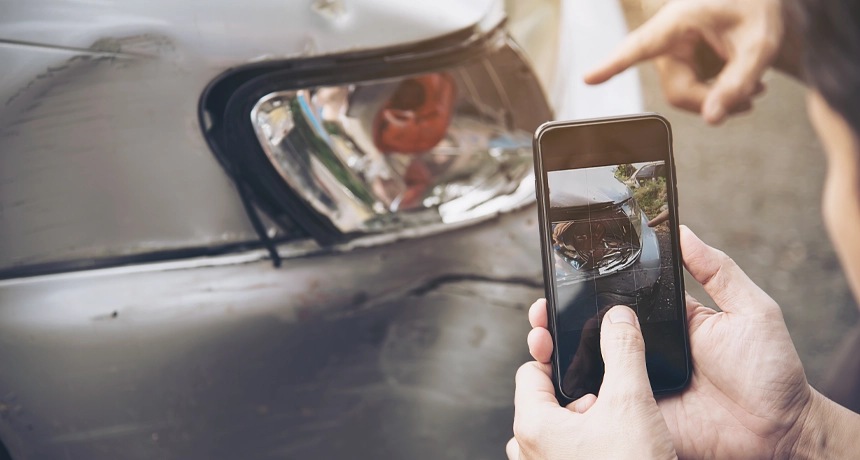
If you are involved in an accident while holding a Third Party Only insurance policy, the claims process will primarily focus on the damage or injuries suffered by the other party.
The first step is to report the incident to your insurer as soon as possible, even if you don’t plan to make a claim yourself, as insurers usually require that all accidents are reported. Your insurer will then begin investigating the circumstances of the accident, which may involve reviewing statements from the riders involved, examining photographs of the scene, assessing damage reports, and, in some cases, speaking with witnesses.
If the investigation determines that you were responsible for the accident, your insurer will handle the claim made by the third party. They will negotiate settlements, cover repair costs for damaged property, and pay compensation if injuries occur.
However, because TPO insurance does not cover your own motorcycle, any repairs to your bike will normally need to be arranged and paid for independently.
Examples of Claims TPO Insurance WILL Pay Out For
There are several common (but again, not limited to) situations where Third Party Only insurance would cover the costs.
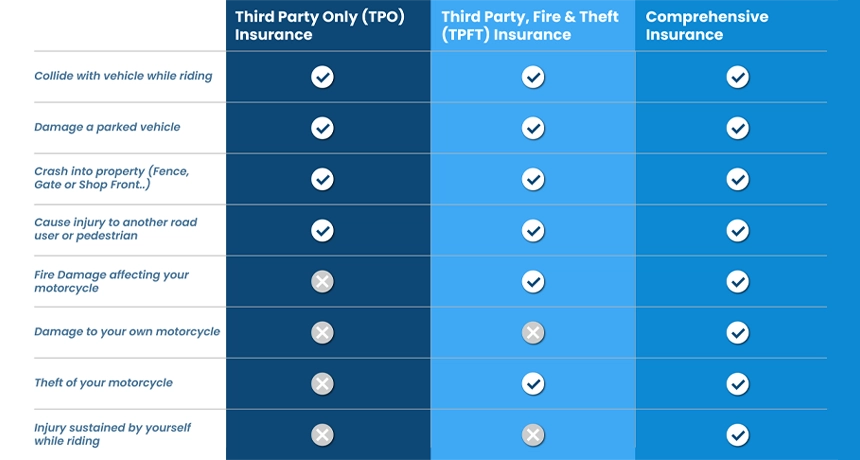
- You collide with another vehicle while riding
- You accidentally damage a parked vehicle
- You crash into property such as a fence, gate, or shop front
- You cause injury to another road user or pedestrian
In these cases, your insurer would step in to cover the costs incurred by the other party.
Examples of Claims Third Party Insurance WILL NOT Pay Out For
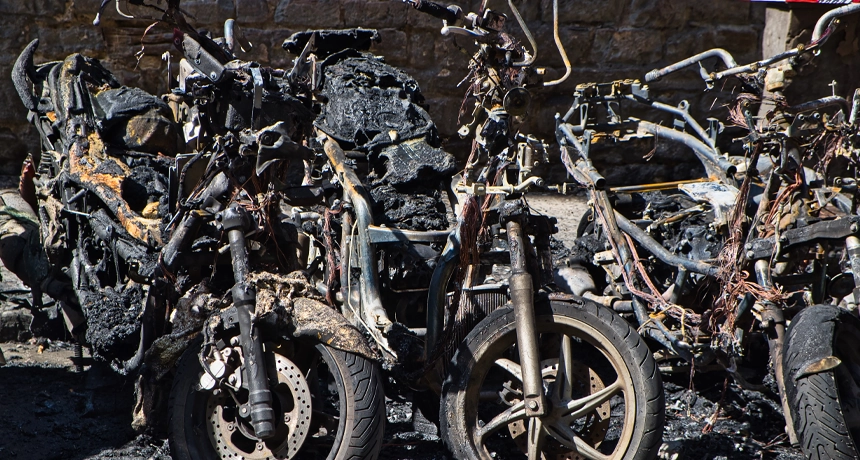
There are also several situations where Third Party Only insurance would not provide financial protection.
- Fire damage affecting your motorcycle
- Damage to your own motorcycle
- Theft of your motorcycle
- Injury sustained by you while riding
You likely wouldn’t want to go out and insure a brand-new Honda NT1100 on TPO, for example, and risk losing nearly £13k should things turn rubber side up!
What Other Levels of Motorbike Insurance are there?
Although Third Party Only insurance satisfies the legal requirement for riding on UK roads, it is not the only option available, and many riders choose policies that provide additional protection for their motorcycle and personal circumstances.
The two other main levels of motorcycle insurance in the UK are Third Party, Fire and Theft, and Comprehensive cover.
Third Party, Fire & Theft Insurance (TPFT)
Third Party, Fire and Theft (TPFT) insurance offers a middle ground between basic cover and full protection.
It includes everything that Third Party Only insurance provides, meaning damage or injury caused to other people is still covered; however, it also adds protection if your motorcycle is stolen or damaged by fire.
If your motorcycle is taken by thieves or destroyed in a fire, your insurer may compensate you for the loss. For many riders, this added protection offers valuable peace of mind without the higher premiums often associated with comprehensive policies.
Comprehensive Insurance
Comprehensive insurance provides the highest level of motorcycle cover available.
It includes the same protection as Third Party and Third Party, Fire and Theft policies, but it also covers damage to your own motorcycle, meaning your insurer may cover the cost of repairs even if you were responsible for the accident.
Because of the increased level of protection, comprehensive insurance is often the preferred option for riders who own newer or higher-value motorcycles, just like the NT1100 mentioned above, for example, or even exotica like the Ducati Panigale V4 R.
Interestingly, comprehensive cover is not always the most expensive option and in some cases, insurers may actually offer lower premiums compared to TPO policies, depending on the rider’s profile and perceived risk, so it’s certainly worth getting a quote and comparing the cost for the different levels of cover, as you may be surprised!
What are the differences between TPO and Third-Party, Fire & Theft?
The main differences between these policies come down to how much protection they provide for your own motorcycle.
- Third Party Only insurance protects other people and their property.
- Third Party, Fire and Theft adds protection if your motorcycle is stolen or damaged by fire.
- Comprehensive insurance goes one step further by covering damage to your own motorcycle following an accident.
Understanding these differences can help you choose the level of cover that best suits your circumstances.
Optional Add-ons for your Motorcycle Insurance Policy
Many insurers offer optional extras that allow riders to customise their insurance policy.
These add-ons can provide additional protection or support depending on how you use your motorcycle.
Breakdown Cover
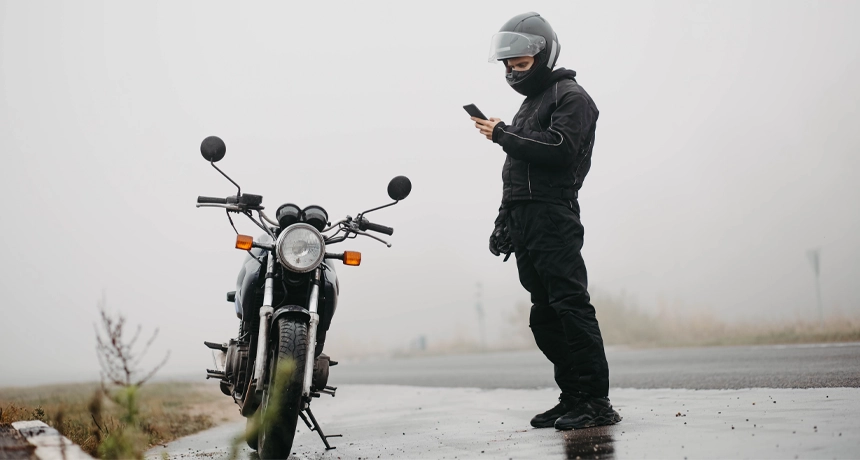
Breakdown cover does what it says on the tin; it provides roadside assistance if your motorcycle suffers a mechanical issue.
Depending on the level of cover selected, this may include roadside repairs, transport to a nearby garage, or recovery to your home address. Do remember, though, that a charge per mile is often required for recovery to your chosen destination if it is above the maximum permitted distance (often 10-20 miles), so check this out before committing to the additional cover.
For riders who regularly travel long distances, breakdown cover can provide valuable peace of mind.
Helmets & Leather Insurance
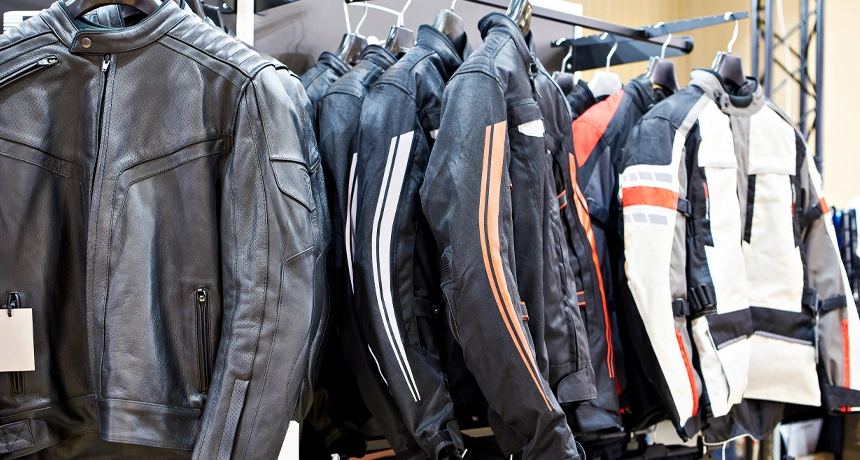
Helmets, jackets, gloves, boots, and riding trousers are essential pieces of protective equipment, and damage to these items during an accident can be expensive.
Helmets and leather cover provides financial protection to replace these items if they are damaged in a crash.
Personal Injury Cover
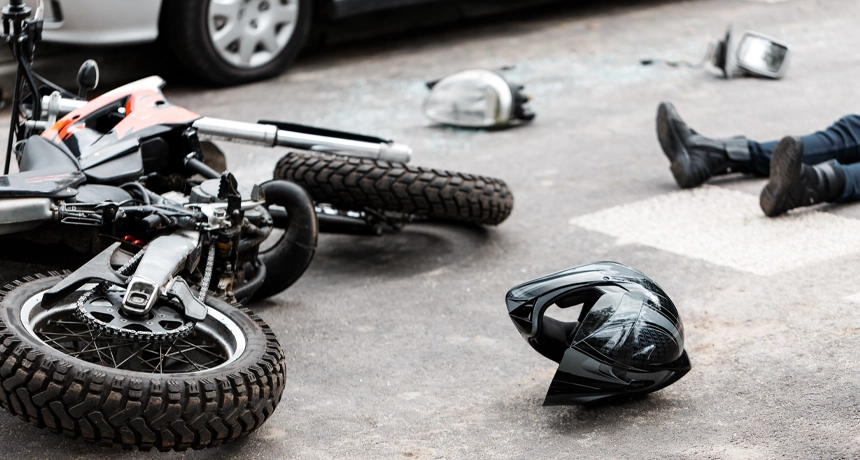
Personal injury cover also does as it says on the tin by providing financial compensation if you are injured while riding your motorcycle.
This can help cover medical costs, rehabilitation expenses, or loss of income while recovering from injuries.
How do Insurers Calculate the Cost of TPO Insurance Premiums?
Insurance premiums are calculated based on risk.
Insurers analyse a wide range of factors to determine how likely a rider is to make a claim and how expensive that claim might be.
Factors That Affect the Cost of Motorbike Insurance
Several factors can influence how much you pay for motorcycle insurance.
- Rider age and experience
- Type and value of the motorcycle
- Storage location and security measures
- Riding history and previous claims
- Estimated annual mileage
Riders who are younger or less experienced may pay higher premiums because they are statistically more likely to be involved in accidents.
Similarly, motorcycles with higher performance or higher values often cost more to insure.
How To Get Cheap Motorcycle Insurance
While insurance costs can vary significantly, there are several steps riders can take to reduce their premiums
- Build a no-claims bonus by riding safely and avoiding claims
- Store your motorcycle in a secure location such as a locked garage
- Choose a motorcycle with lower insurance risk
- Or even consider completing advanced riding courses
These actions effectively demonstrate responsible riding behaviour and can help reduce insurance costs over time.
The Importance of Comparing Quotes
Insurance premiums can vary significantly between providers as different insurers calculate risk in different ways, which means one provider may offer a much lower price than another for the same rider and motorcycle.
Comparing multiple quotes is therefore one of the most effective ways to find the right policy at the best possible price, but often going direct can have benefits too.
Considering Third-Party Insurance for your Motorbike
Deciding whether Third Party Only insurance is right for you depends on a few different factors, namely your motorcycle’s value, how often you ride, and how much financial protection you want, which should all be taken into consideration.
Which Motorbike Insurance is Best & What is Right for you?
There is no single insurance policy that suits every rider, as some riders prioritise the lowest possible premium, while others prefer broader protection and peace of mind.
But generally talking, the best policy is usually the one that balances affordability with the level of protection you are comfortable with.
Will Third Party Insurance Be Enough for Your Motorbike?
Third Party Only insurance may be suitable for older or lower-value motorcycles where repair costs could exceed the bike’s market value.
However, if you rely on your motorcycle daily or own a more valuable machine, higher levels of cover may offer better protection.
When Shouldn’t I get Third Party Only (TPO) Insurance?
There are situations where Third Party Only insurance may not be the most suitable option.
- Your motorcycle is worth a lot
- You rely on your motorcycle for daily commuting
- You want financial protection for damage to your own bike
In these circumstances, policies that include fire, theft, or comprehensive cover may provide better peace of mind.
Delivery Rider & Business Use: Professional Considerations
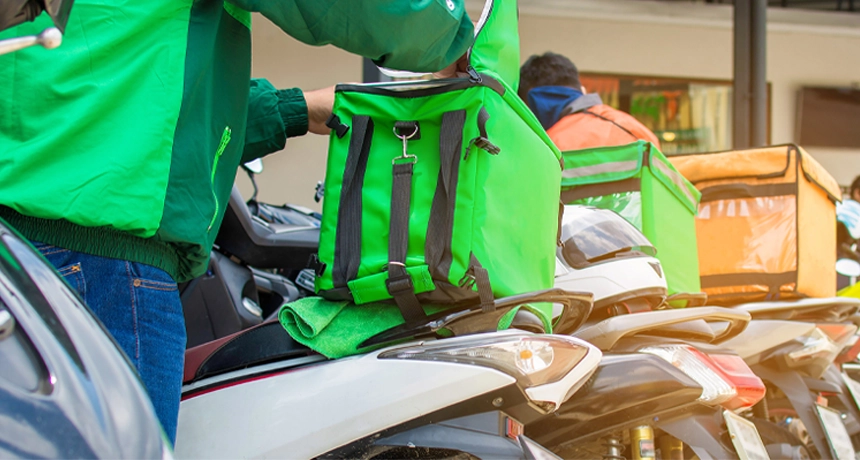
Riders who use their motorcycle for work must be particularly careful when choosing insurance.
Standard motorcycle insurance policies are usually designed for social, domestic, and optionally, commuting use. They typically do not cover business activities such as delivering food or transporting goods.
Delivery riders and couriers usually require a separate policy commonly called ‘Hire & Reward’ or sometimes just Delivery Rider Insurance, that specifically allows this type of work.
If you ride for business purposes without the correct cover, your insurer may reject any claims made while working, and so, because of this, it is extremely important to ensure that your policy includes the correct usage classification if you rely on your motorcycle professionally, especially if it's your livelihood.
Eight Third Party Only (TPO) Motorcycle Insurance Myths Busted
Motorcycle insurance can sometimes feel like a minefield, and there are several myths that often circulate among riders.
Let’s clear up some of the most common misunderstandings.
1. ‘Third Party Only Motorcycle Insurance is the Cheapest’
Many riders assume TPO insurance will always be the cheapest option.
However, this is not always true. In some situations, comprehensive policies can actually cost less depending on the rider’s risk profile.
2. ‘Third Party Only Insurance Will Cover My Bike if I’m Not at Fault’
Third Party Only insurance typically does not cover your motorcycle, even if the accident was not your fault.
In these situations, compensation may need to be recovered from the other party’s insurer.
3. ‘If I lower my mileage, it will make my insurance cheaper’
Mileage can affect premiums, but it is only one factor among many.
Reducing mileage alone does not guarantee lower insurance costs, and underestimating your annual mileage can lead to problems. If you declare too little and exceed that figure, your insurer may adjust your premium, charge an additional fee, or even refuse a claim in serious cases.
4. ‘It’s okay to put my parents or friends on my insurance to make it cheaper.’
Adding a more experienced rider as the main policyholder when they are not actually the primary rider is known as fronting.
Fronting is considered insurance fraud. It can invalidate your policy and can even result in a criminal record.
5. ‘My motorcycle insurance quote is exactly what I will pay.’
Insurance quotes are estimates based on the information provided.
If any details are incorrect or change later, the final premium can be adjusted.
6. ‘My bike premium won’t increase if I don’t claim’
Premiums can still increase due to wider industry factors such as rising repair costs or increased claim frequencies.
7. ‘I don’t need to insure my motorbike if I don’t ride it’
Unless your motorcycle has been officially declared off the road through a SORN, it must remain insured even if it is not being used.
8. ‘My TPO insurance policy will cover me whilst driving to & from work’
Not all policies automatically include commuting cover.
If you ride to and from work, you should confirm that commuting is included in your insurance policy.
The Last Stop!
So, that just about wraps up our guide on Third Party Only motorcycle insurance.
Hopefully, this breakdown has helped make this level of insurance clearer and given you a better understanding of what it does and doesn’t cover.
And, as always, before you head out onto the road, make sure you have the correct insurance in place. Head to Lexham Insurance to get your Motorcycle Insurance quote today!