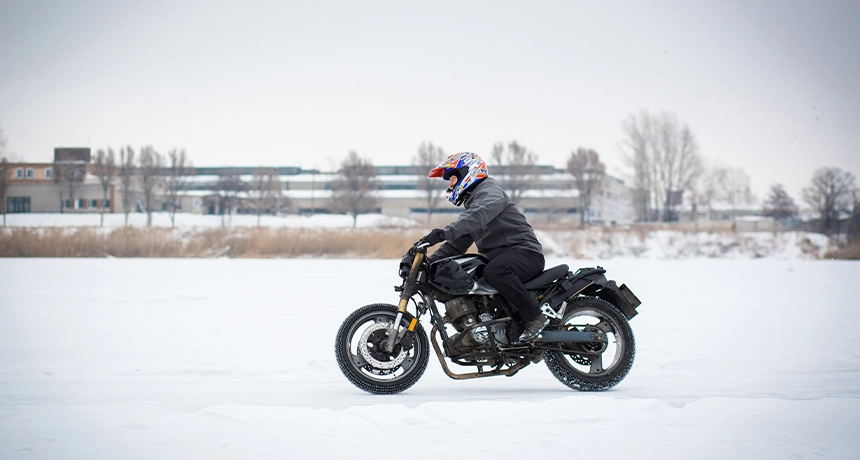
Winter doesn’t have to mean putting your motorcycle away. With a little preparation, planning, and the right mindset, you can find more opportunities to keep riding through the colder months.
From keeping your bike ready to go to spotting the best riding days and planning smarter routes, here’s how to make the most of winter and ride more all year round.
Why Most Riders End Their Season Too Early | Quick Answer
For many riders, winter means fewer rides because the weather looks worse than it is, daylight hours are shorter, and getting the bike ready can feel like a chore. Add in a few weeks away from riding, and it’s easy to lose confidence or fall out of the habit, even when there are still plenty of suitable days to get out.
The key to riding more during winter is preparation and planning. Keeping your motorcycle ready to go, checking conditions rather than relying solely on the forecast and making the most of available daylight can help you turn more potential riding days into actual ones.
The Biggest Things That Stop Riders Using Their Bikes in Winter
Winter can often feel worse than it really is, especially when you’re checking the forecast from the comfort of indoors. Cold temperatures, shorter days and poor road conditions can all make riding seem less appealing.
However, looking at the actual conditions, road surface and temperature can help you make a more informed decision about whether it’s a suitable day to ride.
Cold Mornings
There’s no denying cold mornings can make getting on the bike feel like more effort than it’s worth. The thought of putting on several layers, warming up the bike and heading out into the cold can be enough to put you off before you’ve even left the house.
Having your riding gear and motorcycle ready the night before can remove some of that friction. Check your bike, prepare your clothing and plan your route, so there’s less to think about when it’s time to leave.
Dark Evenings
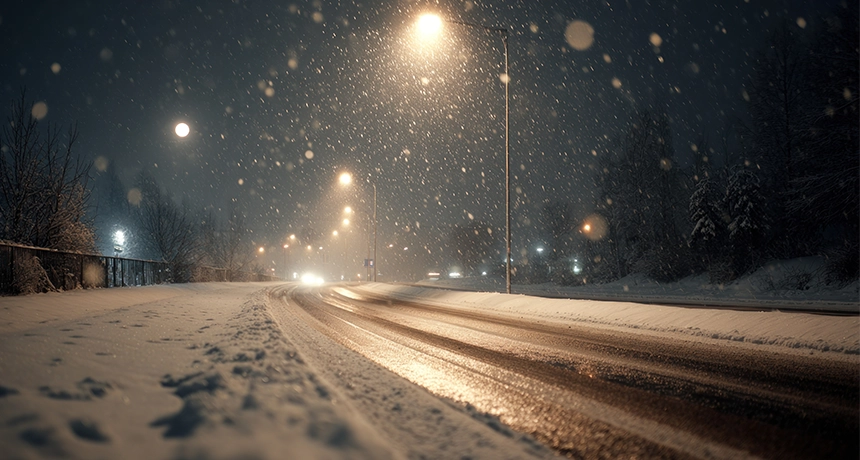
Shorter days can quickly reduce your riding opportunities, particularly if you normally ride after work. By the time you finish the day, it can already be dark, making a quick ride feel less appealing.
Making the most of daylight at weekends or riding earlier in the day can help you squeeze in more miles. If you do ride in the dark, make sure your lights are working properly and give yourself enough time to account for changing conditions.
Dirty Roads
Grit, mud, standing water and debris can make winter roads less enjoyable and leave your bike looking worse for wear. Roads can also become less predictable after heavy rain or periods of poor weather.
Planning routes on roads that see high traffic can make winter rides easier to manage. It’s also worth allowing a little extra time afterwards for quick cleaning, particularly if you’ve ridden through salty or gritty conditions.
Flat Batteries & Maintenance
A flat battery or small maintenance issue can turn a good ride into a wasted day. Bikes that aren't being used regularly can be more prone to problems simply because they’re sitting for longer periods.
Making sure to do regular checks can help keep your bike ready to go. Keep an eye on things such as battery condition, tyre pressures, fluid levels and lights, so a rare dry winter day doesn’t disappear while you sort out a preventable problem.
Confidence & Habits
After a few weeks off the bike, getting back on can feel like a bigger deal than it really is. You may be feeling a bit rusty, particularly if you haven't ridden in cold, wet or darker conditions for a while.
Rather than waiting for the perfect day, start with a familiar, shorter route when conditions are suitable. Once you’re comfortable again, you can gradually build up the distance and get your normal riding routine back.
A Winter Motorcycle Readiness Checklist
One of the easiest ways to ride more during winter is to keep your motorcycle ready to go.
If every potential ride starts with checking whether the bike is usable, it's easy for a short window of good weather to pass before you've even left the driveway.
| Parts | Frequency to Check |
| Tyre Pressure | Weekly |
| Chain Condition | Weekly |
| Battery Health | Weekly |
| Lights | Before Every Ride |
| Brake Performance | Weekly |
| Corrosion Inspection | Fortnightly |
How to Spot More Rideable Days
You don't need perfect weather to find a worthwhile winter ride.
Instead of looking at the season as a series of months when riding is off the table, look at the individual opportunities. A few hours of suitable conditions can be enough for a short trip, provided the route, motorcycle and rider are all prepared.
Understanding Road Temperatures
Road temperatures can differ from the air temperature, particularly after a cold night or on shaded roads. If you're planning a ride, consider giving the roads time to warm rather than automatically heading out at the coldest point of the day.
Considering Route Conditions
Your route can make a big difference to how enjoyable and practical a winter ride is. Think about roads that are prone to mud, standing water, debris or heavy shade, and consider having an alternative route ready.
Familiar roads can also make shorter winter rides easier to plan, particularly when daylight is limited.
Choosing the Best Time of Day
An early start isn't always necessary. Later mornings and early afternoons may provide a more comfortable riding window, with better temperatures and plenty of daylight.
When planning your ride, consider the time you’re coming home as well as when you’re setting off. A shorter route may be a better option if daylight is running out.
Keeping Your Motorcycle Ready for Short-Notice Rides
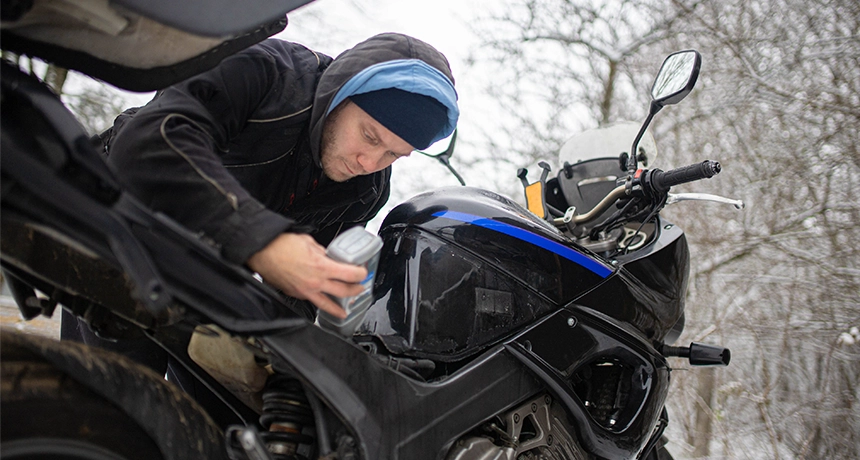
Winter riding opportunities can come and go quickly, so keeping your motorcycle ready can make it easier to take advantage of them. A little preparation in advance means less time spent getting ready when you decide to ride.
Battery Maintenance
Cold weather and long periods of inactivity can put extra strain on your battery. If your bike isn't being used regularly, consider using a suitable battery maintainer to keep it charged.
Fuel Management
Avoid leaving fuel management until the last minute. Keeping enough fuel in the tank for your planned ride means you can get on the bike without an unnecessary stop first.
If the motorcycle is going to be stored for a longer period, follow the manufacturer's recommendations for fuel storage.
Corrosion Prevention
Winter moisture and road grime can increase the risk of corrosion. As long as you’re cleaning your motorcycle regularly and checking exposed metalwork, you’re preventing small problems from developing.
Pay particular attention after riding in wet, salty, or dirty conditions.
Keeping Essential Gear Accessible
Make winter riding easier by keeping your essential gear together and ready to use. Gloves, waterproofs, extra layers and other riding essentials should be easy to find when a good riding window appears.
Building a 5 Minute Pre-Ride Routine
As well as this, a quick routine can help you get ready without turning every ride into a major preparation job.
Check your tyres, lights, brakes, chain, fuel, and general condition, then check the route and weather before setting off.
The aim is simple: keep both your bike and your kit ready, so a suitable winter riding day doesn't pass you by.
Small Comfort Improvements That Can Add More Riding Days
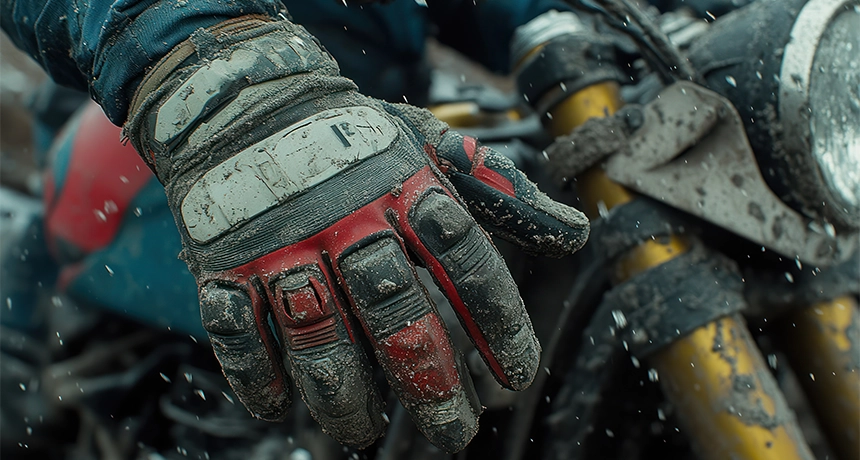
We all know winter is made more bearable when wearing the appropriate clothing and layers; the same goes for motorcycle protection. Staying warmer and making small comfort improvements on your rides means more riding days, as you’re less likely to be put off a ride due to bad or cold weather conditions.
Hand Protection
Proper winter hand protection helps regulate temperature, keeping your fingers warm, flexible, and responsive.
This means better grip and greater control when steering and using the brakes. Obviously, when your hands stay warm and comfortable, you’re far more likely to enjoy riding through the winter months. I’d argue this is one of the most important; not being able to move your fingers is the worst!
Foot Comfort
Cold and wet feet can quickly turn an enjoyable winter ride into an uncomfortable one. A good pair of motorcycle boots can help keep your feet warm, dry, and protected from the elements, while thermal or moisture-wicking socks can provide an extra layer of comfort.
Keeping your feet warm also helps you stay comfortable and focused, particularly on longer rides or when temperatures really start to drop.
Waterproof Storage
There’s really nothing worse than reaching into your luggage after a wet ride and finding that everything inside is damp too.
Waterproof storage helps keep your spare layers, gloves, electronics, and other essentials protected from rain and road spray. Having somewhere dry to store your belongings means one less thing to worry about when the weather turns against you.
Layering Systems
A good layering system makes it much easier to adapt to changing temperatures throughout a ride. A breathable base layer can help manage sweat, while an insulating mid-layer helps retain warmth and a protective outer layer shields you from wind and rain.
Being able to add or remove layers as conditions change can make a noticeable difference to your overall comfort, helping you stay out on the bike for longer.
Route Planning Can Make Winter Riding Easier

Route planning through winter will make your life so much easier. I always check the weather app before my day starts, and this goes hand in hand. Knowing exactly which route you're taking means you can check weather forecasts in those areas, so you avoid unnecessary hazards and plan for those weather conditions too by putting appropriate gear on.
Choosing Better Roads
Not every road is equally enjoyable to ride in winter. Where possible, choosing well-maintained roads with good surfaces can help you avoid potholes, standing water and other hazards that can become more difficult to spot or navigate in poor weather.
Main roads can also be preferable in some conditions, as they may be treated more regularly when temperatures drop.
Avoiding Known Problem Areas
If there are roads on your usual routes that are prone to flooding, ice, standing water or particularly poor surfaces, winter is a good time to avoid them where possible. Checking the forecast and local road conditions before setting off can help you identify potential problem areas and choose an alternative route.
Planning Around Daylight Hours
Once the clocks go back and we get to those dreaded shorter days, it’s easier to find yourself riding in darkness.
Planning your journey around available daylight can make the ride more comfortable and help you avoid having to tackle unfamiliar roads in poor visibility. If you do need to ride after dark, make sure your lights are working properly and consider how weather conditions may affect visibility.
Using Familiar Routes
Winter isn’t exactly the best time to discover new routes…sticking to familiar ones means you’re more likely to know where the tighter bends, poor surfaces, junctions, and other potential hazards are.
Familiarity can also make it easier to adapt your riding when conditions change, allowing you to concentrate on the road rather than working out where you’re going.
When Not Riding Is the Right Decision
I know winter riding doesn’t have to stop because of cold or rain, but some conditions simply aren’t worth the risk. Ice, flooding, strong winds, heavy snow and extreme rain can all affect grip, visibility and control, while potholes, debris and standing water can create additional hazards.
As I’ve said already, it's important to emphasise the need to check the weather forecast and road conditions before setting off, particularly during winter. If conditions don’t feel safe or suitable for riding, there’s nothing wrong with leaving the bike at home and riding another day.
What Is Costing You the Most Riding Days?
Sometimes it only takes a small problem to turn a planned winter ride into a day on the sofa. The good news is that many of the things that put us off riding can be addressed with simple changes.
Use the table below to identify what could be costing you riding days and a quick solution to help keep you on the road.
| Problem | Quick Solution |
| Flat Battery | Jump Starter |
| Cold Hands | Pull over & use available heat or wear thinner gloves under riding gloves |
| Dirty Chain | Weekly clean & relube |
| Poor Visibility | Improve lighting setup |
| Lack of Confidence | Start getting out on short local rides |
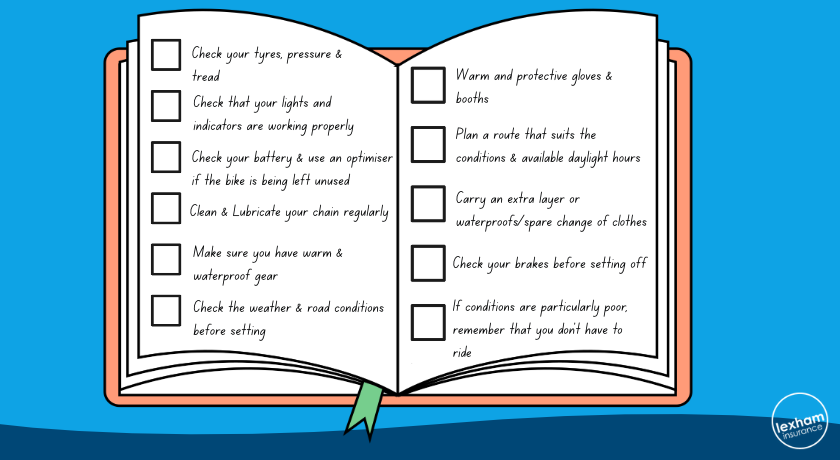
Lexham's More Riding Winter Checklist
Ready to keep riding through the colder months? Before heading out, run through this quick winter checklist:
The Last Stop!
So, there you have it, our guide to making the most of your bike through the winter months. Hopefully, with a little preparation and the right mindset, you won’t need to dread getting out on the roads when those colder, darker days arrive.
Now, get out there and make the most of those winter miles! But before you go, remember you need insurance - be sure to get a motorbike insurance quote online with Lexham today!