If you're toying with the idea of a new moped or scooter, then you may just be wondering what the differences are between the two.
In this blog, we've answered some of the most common questions surrounding both to help you better understand what sets them apart, so stick around till the end!
With mopeds allowing 16-year-olds to get on the road, they're becoming an increasingly popular and convenient way to travel.
Key Takeaways
Some key takeaways from this article include understanding the definitions of scooters and mopeds, as well as the key differences between them in terms of performance, licenses, and insurance considerations.
Moped versus Scooters | Quick Comparison Table
Here is a quick comparison table to help you spot the initial differences between the two:
|
|
Moped: |
Scooter: |
|
Engine Size |
Up to 50cc / 4kw |
50cc+ / 11kw+ |
|
Top Speed |
28mph / 45km/h |
|
|
Best for |
First Mile Riders |
Urban Commuters & Delivery Riders |
What are scooters & mopeds?
At first glance, it can be difficult to tell the difference between a moped and a scooter, especially if you're not familiar with motorcycles.
However, there are several key differences between the two, including engine size, performance, and the licence required to ride them.
As mentioned earlier, mopeds are available to riders from the age of 16 because they have smaller, less powerful engines and lower maximum speeds, making them a popular way to get around.
What is a Moped?
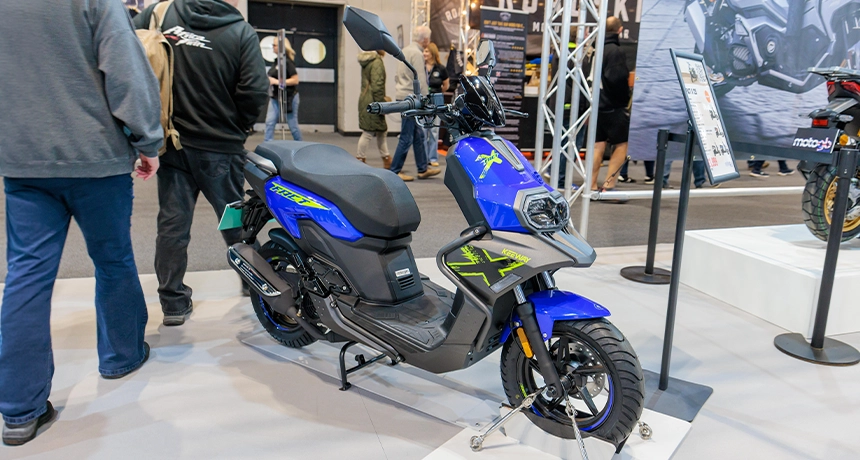
A moped is a small, motorised two-wheeler designed for short journeys and city riding.
In the UK, mopeds have an engine size of up to 50cc and a top speed of 28mph, making them a popular choice for new riders and commuters.A scooter is again, a motorised two-wheeler designed for easy, everyday riding. It also has a step-through frame, a low seat and a flat footboard, making it comfortable and beginner-friendly.
Scooters come in a range of engine sizes and can be used for both city commuting and longer journeys.
Moped vs Scooter: What's the Difference?
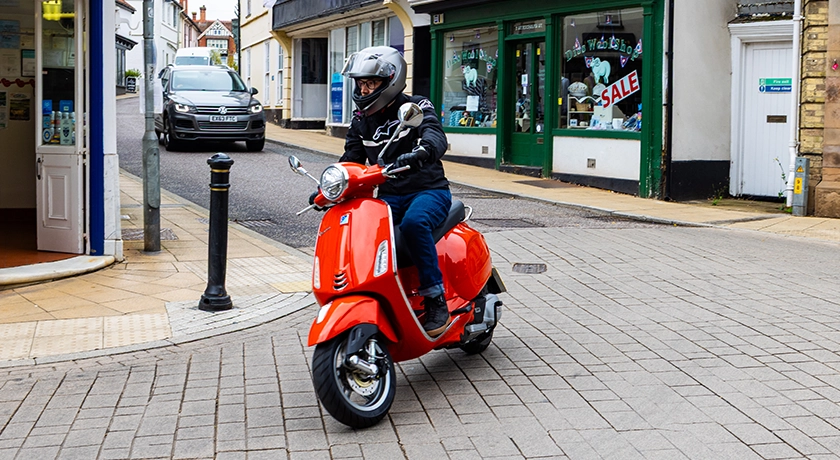
They might look similar at first glance, but there are a few key differences between mopeds and scooters. From engine size and performance to running costs and storage…
Engine Size
Mopeds are limited to engine sizes up to 50cc, while scooters come in a much wider range of engine sizes, from 50cc models to larger, more powerful options, such as the Honda Forza 750, one we have tried and tested and personally love – however, you will need a full Cat A licence to ride it!
Top Speeds
Because of their smaller engines, mopeds are restricted to a top speed of 28mph, whereas scooters can comfortably exceed this depending on the model.
The Design
Both have a step-through design, but scooters are often larger and offer more space, comfort, and storage than a typical moped.
Performance
Scooters generally deliver better acceleration and handling, making them more suitable for a wider variety of roads and journeys.
Running Costs
Mopeds are usually cheaper to buy, insure, and maintain, making them one of the most affordable ways to get on the road.
Fuel Economy
Both small-capacity scooters and mopeds are fuel-efficient, but mopeds tend to use less fuel thanks to their smaller engines and lower speeds.
Storage
Scooters often come with slightly larger under-seat storage compartments, while mopeds typically have less room for carrying belongings.
Best Uses
I’d say mopeds are more ideal for short city journeys and beginner riders, while scooters are better suited to commuters who need more speed and flexibility.
What Licence Do You Need to Ride a Moped or Scooter?
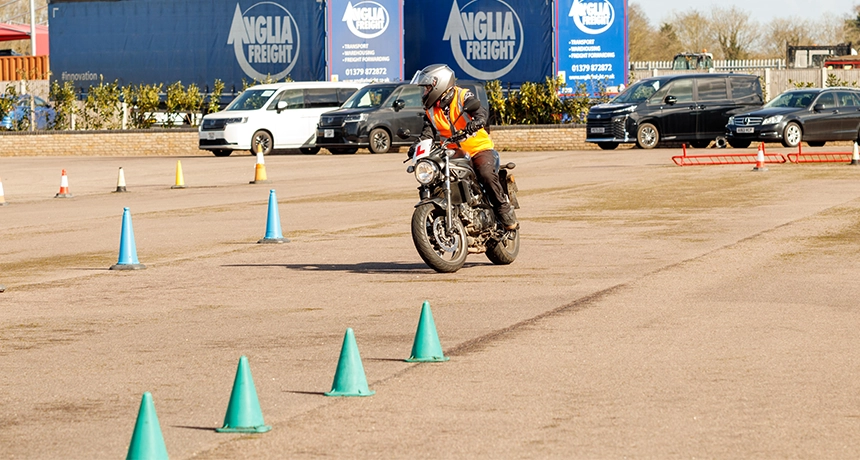
The licence you need depends on the engine size and power of the moped or scooter you want to ride:
CBT
A Compulsory Basic Training certificate allows you to ride a 50cc moped, and at 17 years or older, you can also then ride a 125cc, provided you display L plates and follow certain restrictions. Also, just be mindful that your CBT expires after 2 years, so make sure to keep it up to date.
AM Licence
An AM licence allows you to ride a moped up to 50cc with a top speed of 28mph, although you still can't ride on motorways. Once you've passed the relevant tests, you no longer need to display L plates, and unlike a CBT certificate, an AM licence doesn't expire. If you passed your Category B (car) driving test before 1 February 2001, you'll usually have AM entitlement automatically.
A1 Licence
An A1 licence allows you to ride motorcycles and scooters up to 125cc without the learner restrictions, meaning you can ride without displaying L plates, carry a pillion passenger, and use motorways, making it a popular step up from a CBT.
A2 Licence
An A2 licence lets you ride motorcycles and scooters with a power output of up to 35kW or 47hp with a power-to-weight ratio limit of 0.2 kW/kg (equivalent to roughly 0.26 hp/kg), opening up a much wider range of larger models.
As well as this, you can also opt for a larger-capacity motorcycle fitted with a restrictor kit, allowing it to remain A2 compliant while giving you more options to choose from.
Category A Licence
A Category A licence gives you unrestricted access to any motorcycle or scooter, regardless of engine size or power.
What's the Difference Between Moped and Scooter Insurance?
Insurance works in much the same way for both mopeds and scooters, but the cost can vary depending on the type of bike you ride and your personal circumstances.
Is moped insurance cheaper?
Moped insurance is often cheaper than motorcycle insurance due to the lower engine size and reduced risk associated with mopeds.
What affects the cost of insurance?
The cost of moped insurance depends on factors such as your age, location, riding history, and the level of cover you choose.
Types of insurance coverage to choose from
Most insurers offer third-party, third-party fire and theft, and comprehensive cover, allowing you to choose the level of protection that suits your needs.
Which insurance coverage should you choose?
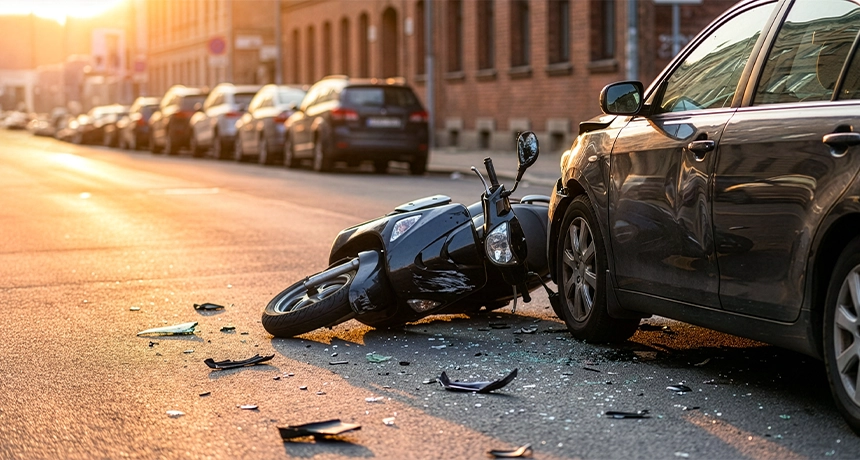
The right insurance cover depends on your age, riding experience, budget, and how you use your moped or scooter.
Understanding the different levels of protection available can help you find a policy that suits your needs without paying for cover you may not require.
If you’re 16 years old?
Third-party fire and theft insurance offers a balance between cost and protection for younger riders.
It covers third-party damages, as well as theft and fire damage, and it could possibly help keep premiums lower than comprehensive cover, but as I touched on earlier, this will also depend on the type of bike you ride and your personal circumstances.
If you’re 17 years old?
If you're riding a 125cc scooter, comprehensive cover may be worth considering. It offers the highest level of protection and can help cover repair costs after an accident.
Looking to keep the cost of your insurance low
Third-party insurance is usually the cheapest option. Secure parking, added security devices, and comparing quotes can also help reduce your premium if opting for Third Party Fire & Theft or Comprehensive.
Best Insurance Coverage for Commuters
Comprehensive cover is often a good choice for regular commuters, as it offers broader protection, as well as damage to your own moped/scooter and others.
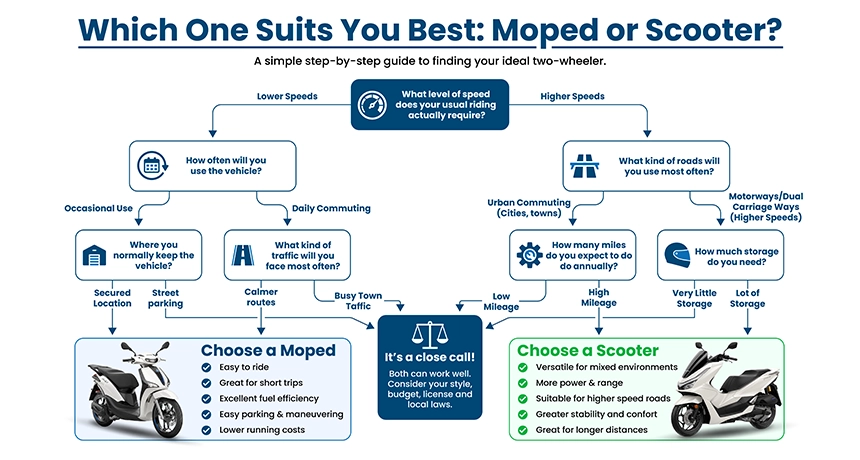
Deciding whether to choose a moped or a scooter?
So how can you decide which option is best for you and your riding style…this decision tree may make things a little easier for you:
Moped & Scooter Frequently Asked Questions

We thought to round things up, we’d give you a rundown of frequently asked questions surrounding the two options:
Is a scooter a moped?
No, a moped is typically limited to 50cc and a top speed of 28mph, while scooters can be anything from 50cc to an unlimited amount of power.
Can you ride a scooter on a CBT?
Yes. With a valid CBT certificate, you can ride a scooter up to 125cc if you're 17 or over.
Which vehicle is cheaper to insure?
Mopeds are generally cheaper to insure because they have smaller engines and lower top speeds, meaning they may be deemed as lower risk; this depends on other factors, as mentioned above.
Which is better for beginners?
A moped is often the easiest and most affordable option for new riders, while a scooter can be a better choice if you need more power for commuting.
Can you carry a passenger on a scooter or a moped?
You can only carry a passenger if your vehicle is designed for two people and you have the correct licence entitlement.
Riders on a CBT alone cannot carry passengers, so you would need to look at either an AM licence if you’re 16, an A1 if you’re 17 or older, an A2 if you’re 19 or older, or a full category A licence.
The Last Stop!
So, there you have our guide on scooters and mopeds to help give you a better understanding of the difference between them!
We hope this guide has been helpful, especially for those just starting out on their riding journey.
Whether you're a young rider, looking for learner insurance, or simply moped or scooter insurance, be sure to get a quote with Lexham today!