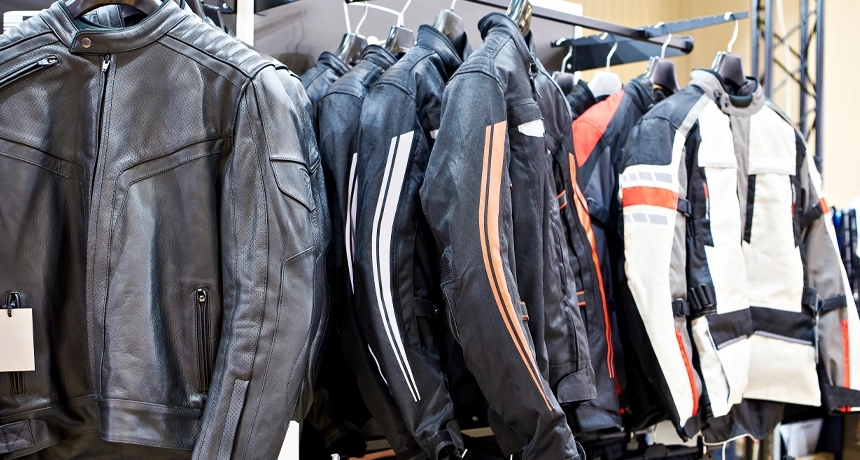
Motorcycle gear can get expensive fast, especially when you’re starting from scratch and need a jacket, trousers, gloves, boots and waterproofs. That’s why buying second-hand can make a lot of sense, particularly if you’re a new rider, commuter or just trying to keep the cost down.
I’ve bought, sold and worn plenty of riding kit over the years, and I’ve found some proper bargains along the way. The problem is, not every cheap bit of gear is actually a good buy. Missing armour, worn-out zips, crash damage or a seller who’s vague about the history can quickly turn a bargain into a mistake.
So, what’s worth buying used, what should you avoid, and what should you check before handing over your hard-earned money? …Let’s get into it!
Quick Answer | Is It Safe to Buy Motorcycle Gear Second-Hand?
Buying motorcycle gear second-hand can be perfectly safe, but it depends on what you’re buying and what condition it’s in. Jackets, trousers, boots and some gloves can all be worth considering used, while I’d always recommend buying a helmet and airbag vest or device new.
The golden rule is simple: if you can’t confirm its history, condition and protective features, don’t take the risk.
Why Riders Buy Used Motorcycle Gear
Cost Savings
Money is the obvious reason, but not the only one. Proper motorcycle clothing can undoubtedly cost a lot, and second-hand motorcycle gear can be the difference between riding in proper kit and making do with clothing that was never designed for the job of keeping you safe from impact or abrasion.
Access to Premium Brands
A well-looked-after leather jacket, textile touring suit or pair of boots from a proper motorcycle brand may well be a better buy than something new that only looks the part, but always remember that armour and condition matter more than whether the tag has just come off, especially when considering lightweight kit.
Sustainability Benefits
There’s a sustainability benefit too; if a jacket, pair of trousers or set of boots still has a safe amount of life left in it, reusing it naturally makes more sense than leaving it in a garage or sending it to landfill.
Gear for Occasional Riders
Occasional riders don’t always need to spend huge amounts on brand-new kit for short local journeys or sunny weekend rides, meaning that used gear can be a sensible middle ground, provided it still fits properly and protects properly.
More Readily Available
Availability matters as well. Commuters and delivery riders sometimes need kit quickly, and a nearby used jacket or pair of waterproof trousers can solve a real-world problem faster than waiting for the right sale or back-order.
What Motorcycle Gear Is Usually Safe to Buy Used?
Leather Jackets
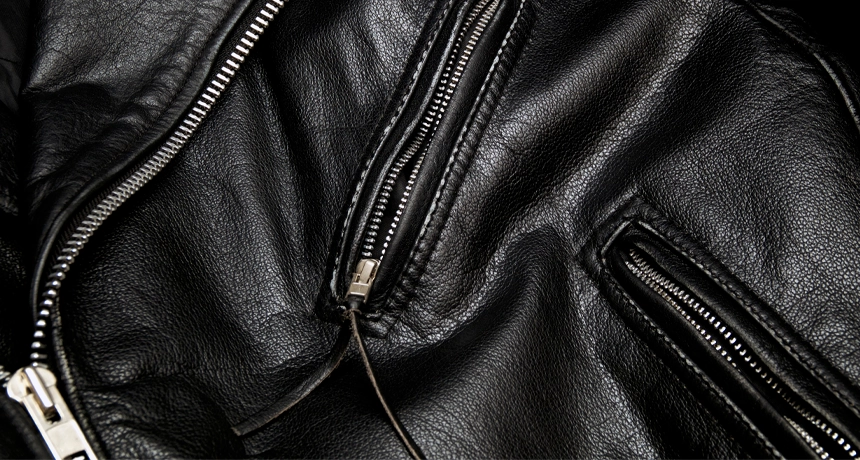
Used leather jackets and second-hand bike leathers can be excellent buys when they’ve been looked after, and to be honest, the odd crease or light mark wouldn’t worry me, but deep scuffs, cracking, thinning leather, split seams or heavy abrasion on the elbows, shoulders or back would make me put it straight back.
Textile Jackets
Textile jackets are often worth considering second-hand if the outer fabric is intact, the stitching is sound, and the armour is still there, although the bargain can disappear quickly once you realise the waterproof liner, thermal liner or back protector is missing, as they can be costly to replace, and that’s if you can even find replacements.
Riding Trousers
I’d advise spending more time looking at the knees, hips, and lower legs than cosmetic marks elsewhere, as those protective zones can sometimes tell you more about how used motorcycle trousers have been treated.
Knee armour that looks fine on a table can sit completely wrong once you’re in a riding position, so I’d always advise trying things on there too, even if it’s a bit awkward when buying second-hand… I’ve even tried on and bought some second-hand trousers in someone’s living room years ago, but fit is equally as important as condition!
Motorcycle Boots
A used pair of motorcycle boots can be a good buy when the fit is right, and the structure still feels supportive; however, separating soles, soft ankle support, damaged closures, or obvious road-drag marks are enough of a reason to leave them alone.
Gloves
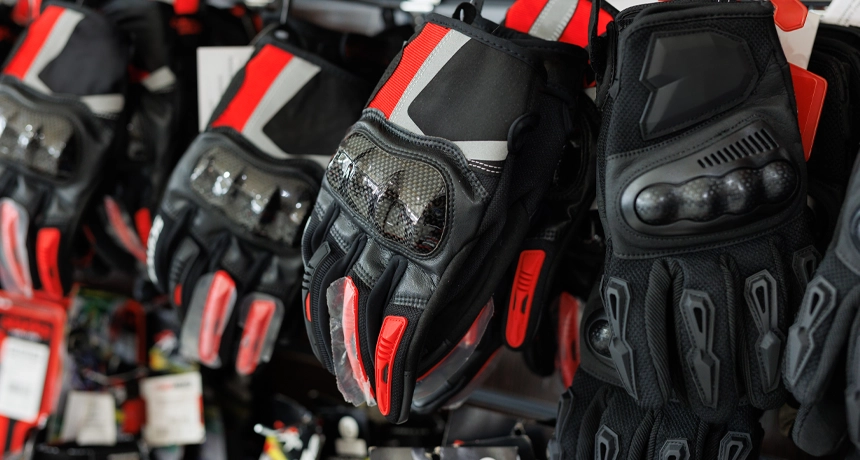
Second-hand gloves need a picky eye because they stretch, get soaked and take plenty of abuse through the palms and closures. Sound stitching, knuckle protection, palm sliders and wrist fastening are the things I would care about here. Although it is worth bearing in mind that some approved motorcycle gloves can be cheaper or equal to a second-hand pair, so it's worth shopping around.
What Motorcycle Gear Should You Avoid Buying Used
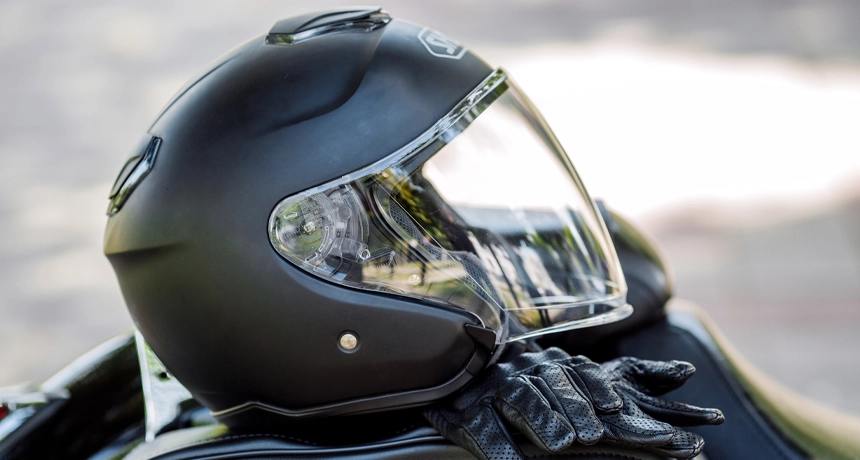
Helmets
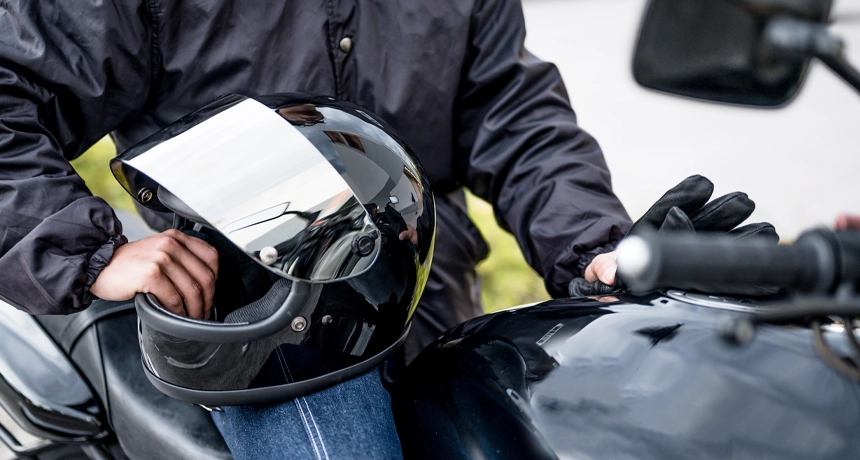
I would generally always avoid buying a used motorcycle helmet.
If you’re weighing up whether you should buy a second-hand bike helmet, remember that you can’t always tell whether it has been dropped, crashed in, stored badly or cleaned with something that may have affected the shell or liner.
A helmet is one of the few bits of kit where knowing the full history really matters, and with a private seller, you often can’t verify the full history, so this is something I’d always buy new, regardless.
Airbag Systems
Used airbag vests and systems need real caution. They may need servicing, subscription checks, cartridge replacement or manufacturer inspection, and you need to know whether they’ve already deployed.
Unless you can verify the system properly, I wouldn’t treat one as a casual marketplace purchase, but instead, like helmets: buy new instead.
Damaged Armour
Over time and general use, armour can become compressed, cracked, misshapen or simply go missing over time. If a jacket is being sold cheaply because the shoulder, elbow, knee, hip or back protectors are missing, remember to price in replacing them, especially if the armour looks brittle, split or badly distorted, or the relevant CE labels are missing or unclear.
Can motorcycle armour expire? Not always in an obvious way, but it can get worse with age, heat, moisture, compression and general use. Foam can harden, split or lose flexibility, while impact protectors can become misshapen after taking a knock, so if the armour feels brittle, stays bent, has cracks, smells damp, no longer sits where it should or has unclear certification, I’d replace it and include that cost in the real price of the gear.
Heavily Damaged Gear
My rule is simple: if the damage is in a protective area, walk away. Scuffs are one thing, but burst seams, melted fabric, torn leather, worn-through panels, broken fasteners, or obvious slide marks aren’t worth gambling on just because the price looks good.
How to Inspect Second-Hand Motorcycle Gear
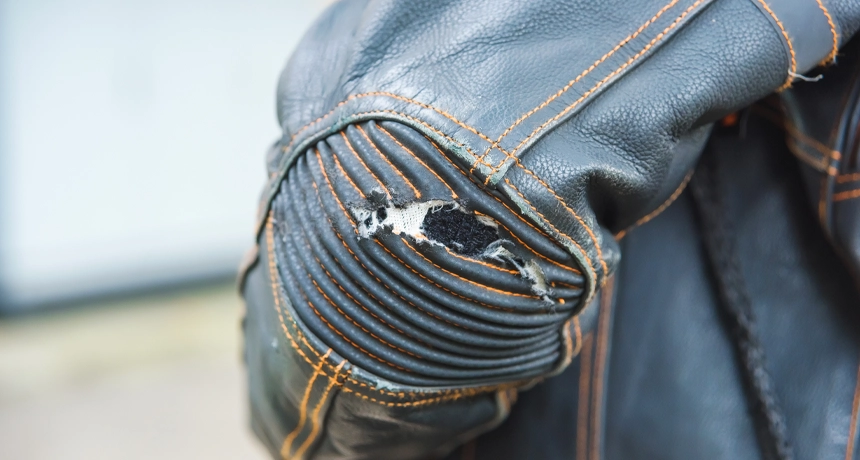
Signs of Crash Damage
The main impact zones should be checked before anything else, especially the shoulders, elbows, knees, hips, palms, seat and back, because crash damage will usually give you an idea of how it’s been used.
For me, a light scuff from normal use is one thing, but a smooth, shiny slide mark across an elbow or shoulder is a very different matter, as it suggests the item may already have done the job it was designed to do.
Check for Abrasion Wear
Everyday riding marks are normal on used kit, particularly on boots and gloves, but worn-through material is different from average use, and once a protective layer has clearly taken abrasion damage, it should not be treated as though it still offers the same level of protection.
Assess Stitching & Seams
Seams around armour pockets, stretch panels and high-stress areas deserve a proper pull and look-over, not just a quick glance. Loose threads can be repaired, but opening seams in protective areas is a warning sign that the item may not hold together if and when it needs to.
Look at the Zips & Fasteners
Run every zip, popper, buckle, Velcro strip and adjustment tab through its full movement instead of just glancing at it; closures matter when kit needs to stay in place rather than twist, flap or shift around on the bike.
Checking Over the Waterproof Membranes
Waterproof kit also needs a bit of care in the buying process. Ask whether it keeps water out, then look for missing liners, peeling membranes, damaged taping or signs it has been stored damp, as any of those should bring the price down straight away or be avoided altogether.
Inspecting the Internal Armour
Take the armour out if you can and check that it’s present, not cracked, not flattened, and that it sits in the right place when worn.
Missing armour isn’t the end of the world, but only if the price reflects replacing it. If you’re unsure, do a quick search when you’re there to make sure you can even replace it at all.
Checking the CE Certification Labels
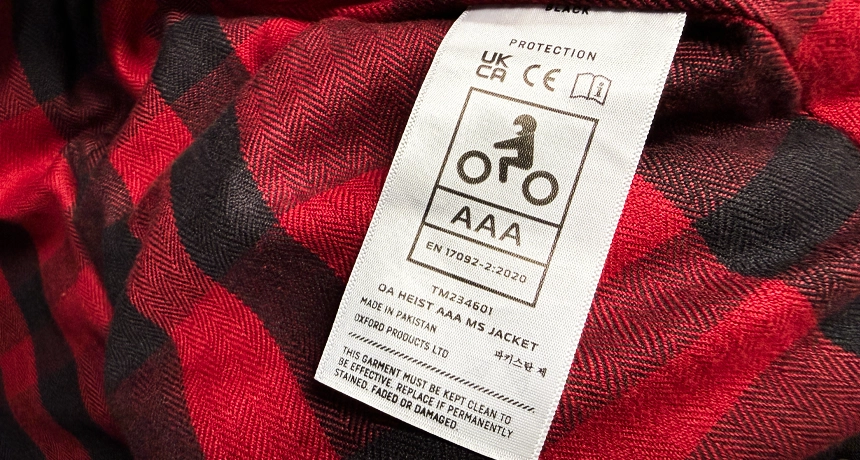
Look for proper motorcycle PPE labels, including garment ratings and armour markings where fitted. UK riders should expect modern jackets and trousers to show recognised motorcycle PPE certification such as EN 17092, while armour usually carries EN 1621 markings.
Signs of Odours, Mould & Storage Damage
Damp smells, mould, cracked leather, sticky linings and rusty fasteners usually mean poor storage or even regular winter use. Even if it looks cheap, badly stored riding gear can be more trouble than it is worth, and gear used throughout winter can be damaged by salt spray, increasing the risk of rusting zippers and poppers and can push gear towards the end of its life sooner than lighter-used gear.
How to Sleuth a Motorcycle Gear Advert Like a Pro

Spotting Misleading Photographs
A useful listing makes your checks easier before you even message the seller, with clear photos of the front, back, labels, armour, zips, soles, palms and any damage.
One-photo listings, blurry photos, heavy filters, stock images or carefully cropped shots are all worth treating with caution.
Questions to Ask Sellers
Before buying, there are a few things I’d check to make sure both the item and the seller are genuine:
- Ask how old the item is.
- Ask why they’re selling it.
- Ask how often it has been worn.
- Ask whether it has been crashed in.
- Ask whether all armour and liners are included.
- Ask if they can send clear photos of the labels and damaged areas, if applicable.
Seller verification is part of the safety check as well, not just a bit of a chat before you buy, which is why I’d look at:
- How long the profile or account has existed.
- Whether the seller has normal activity or feedback.
- Whether the location makes sense.
- Whether the same item appears in several listings.
If I message someone and they can:
- Answer normal questions.
- Send extra photos.
- Explain why the gear is being sold.
That’s a much better sign.
If they:
- Push for a fast bank transfer.
- Refuse collection without a clear reason.
- Try to move the chat away from the platform.
- Avoid showing labels, armour or damage.
I’d take that as a red flag and leave it.
Signs an Item Has Been Crashed In
Damage around impact areas tells you far more than general wear, as a scuffed cuff might just be everyday use, but matching slide marks across the elbow, shoulder and back suggest the item may already have done its intended job.
Reverse Imaging | Red Flags to Look Out For
Reverse image search anything that looks too polished, especially if the price is strangely low. If the same photos appear on old listings, overseas websites or multiple adverts, treat it as a warning sign.
Prices That Seem Too Good to Be True
A very low price is only useful if the advert, seller and item all make sense together, so treat rushed messages, no collection option, vague answers and unusual payment requests as warning signs rather than coincidences.
There are always more listings, and walking away is usually cheaper than ending up with fake, damaged or non-existent kit.
Where Should You Buy Used Motorcycle Gear?
Facebook Marketplace
Facebook Marketplace can be a useful motorcycle gear marketplace for local bargains because you can often collect the item and inspect it before handing over money.
The weaker point is seller verification, so poor photos, unclear answers and rushed deals should all make you cautious.
eBay
For wider choice, saved searches and a clearer view of what similar kit has sold for, eBay can be useful. Just make sure you read the listing properly, study the photos and keep messages and payment inside the platform where possible.
Motorcycle Forums
Motorcycle forums can be lower risk when the seller has a visible history in the community, although reputation shouldn’t replace the usual checks, so treat it as a better starting point, not a guaranteed way to get good kit.
Autojumbles
Autojumbles are useful because you can check fit, condition and labels in person. If you are local to Norfolk or Suffolk, events around Arminghall or Thurton can be worth keeping an eye on for used kit and older stock.
Motorcycle Dealer Clearance Events
Dealer clearance events are not always second-hand, but they can be one of the safest ways to save money. You may find older stock, discontinued colours or end-of-line sizes without taking the same private-seller risk. I’ve had good experience buying from these types of events before, scoring a £300 jacket for around £50!
How to Spot Fake Motorcycle Gear
Fake Helmets
Second-hand helmets should be treated with real caution, and anything with missing approval labels, poor visor fit, odd lining, spelling mistakes, strange packaging or a seller offering lots of ‘new’ helmets at suspicious prices should set alarm bells ringing straight away. As I said above, I’d never personally buy a second-hand helmet – always new.
Fake Branded Clothing
With clothing, check logos, stitching, labels, zips and the general finish. If you are buying used motorcycle clothing or second-hand bike leathers online, knowing how to spot fake motorcycle gear matters because counterfeit kit often looks fine from a distance but falls apart when you look closely.
Missing Certification Labels
If there isn’t a proper motorcycle PPE label, you are guessing rather than checking. Ask for a clear photo before travelling or paying, and if the seller cannot show one, treat the item as higher risk.
Counterfeit Warning Signs
Look out for copied photos, vague sizing, very low prices, odd payment requests, multiple identical listings and sellers who cannot answer basic kit questions.
Paul Varnsverry, the Personal Protective Equipment, Clothing Standards, Testing and Certification Specialist for the BMF, has done a lot of work on this subject, and further reading on it can be found here.
How to Negotiate a Better Price
Researching Typical Values
Use sold prices as your guide rather than asking prices. If similar gear is selling for less, you've got a reasonable starting point for an offer.
Identifying Genuine Wear
When negotiating, point to genuine issues such as missing armour, labels, worn soles, tired Velcro or damaged liners rather than simply offering less. I'd always work out what the gear will actually cost you once any missing parts or repairs are included.
Bundling Multiple Items
If a seller has several bits of kit for sale, it’s worth asking whether they’d take a fair bundle price, particularly if they're keen to clear some space.
When to Walk Away
If the seller gets defensive about basic safety questions, or the saving doesn't justify the condition, walk away. There’ll always be another listing.
Is New Ever Better Than Used?
Helmet Buying Considerations
Buying a helmet new is usually the safer route, because fit, liner condition, approval labels and accident history all matter and none of them are easy to verify once the helmet has been through another owner. With second-hand helmets, too much depends on trust when what you really want is proof, so check the official GOV.UK motorcycle helmets, visors and goggles guidance before deciding what is acceptable for road use.
First-Time Riders
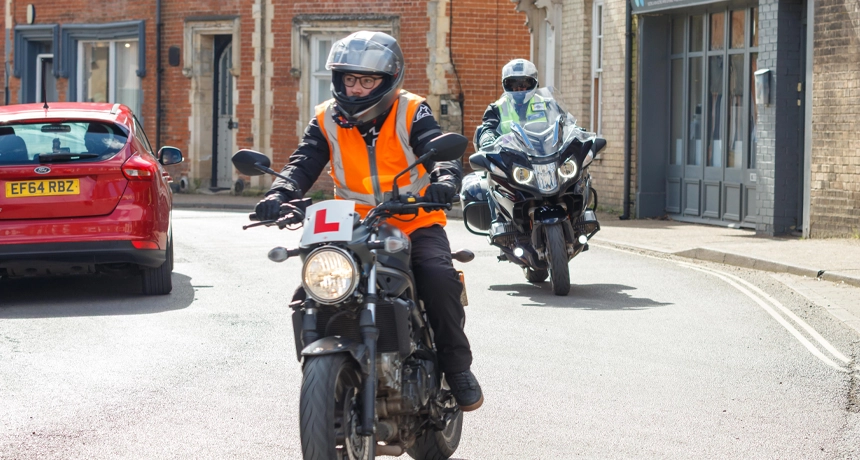
New riders may benefit from the ease and reassurance of buying new, which is where new gear has an advantage. You can try different sizes properly, check the labels yourself and start with kit that has a known history from day one.
High-Protection Equipment
For airbags, back protectors, high-spec armour and anything safety-critical, used can still be possible, but only with proof, service history and a price that reflects the risk; CE certification is useful when checking what protective kit should show.
Lexham's Second-Hand Motorcycle Gear Checklist
Want to Protect Your Gear? Get it Insured!
Buying second-hand motorcycle gear can be a brilliant way to save money, upgrade your kit and make riding more affordable, but only if you buy with your head rather than getting carried away by the price or the potential savings. A cheap jacket, pair of boots, piece of used motorcycle clothing or set of gloves is only good value if it still fits, still protects you and still has enough life left to do its job properly.
So, ask questions, inspect everything properly, trust your instincts and don’t be afraid to walk away if something feels off. I know it’s easy to get pulled in by a good price when you’re trying to save money, but there’ll always be another listing, another bargain and another seller. You only get one body to protect, so it’s not worth taking silly risks just to save a few quid.
And if you want cover for your bike, get a motorcycle insurance quote with Lexham today! It’s also worth bearing in mind that optional helmet and leather cover can help with replacement costs after an accident.
Ride safe.