The motorcycle licence in the UK can be complicated if you’re starting from scratch, and expensive too. The route for me has proven somewhat different, though, and with the help of Camrider Training, I finally stepped away from my A2 licence into the world of full-power machines – it only took 10 years!
This article aims to show some of the flexibilities in the current UK licensing system, though, by removing the associated pressure and proving that there is never any rush.
The Traditional Route
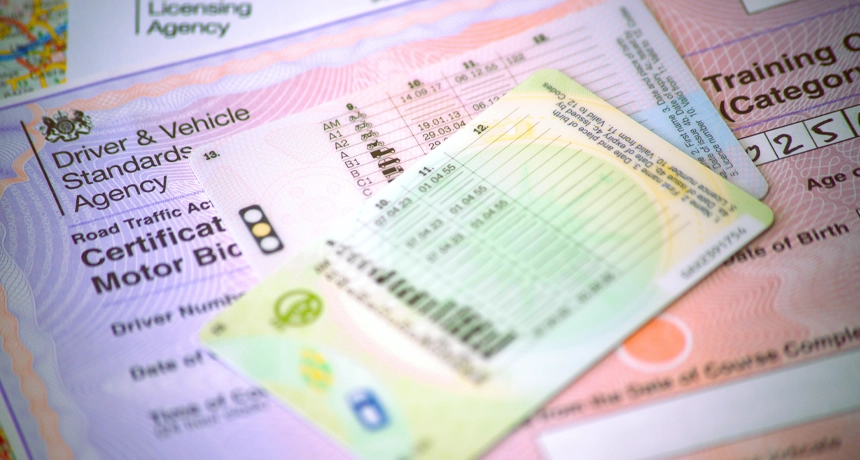
If you’re starting from scratch, you will need to gain your provisional licence, complete your CBT (Compulsory Basic Training), get your theory test and of course book some training in before your Mod 1 and Mod 2 tests, not forgetting to mention you’ll need to be 24 if you are going straight in for your full licence from the start.
Cost Breakdown in 2026
When looking to complete your motorcycle licence in 2026, the costs can vary. Despite this, they can be split into two categories. One, the compulsory fees for the tests and licences, and the other is the expected average training costs, which include the cost of hiring the motorcycle, fuel, insurance, average CBT costs and so on.
Compulsory Fees
Depending on whether you opt for a weekday, weekend, bank holiday or evening, the costs will vary for the Mod 2 test, but are still set as follows:
Training Costs
CBT: Between £130-£200
Often, you will find training centres including the test fees in the price as a package if you’re completing A2 or full A licences, and the prices will vastly differ with experience, the time required and how long the training centre deems you require, but costs can commonly increase to north of £1000+ if you’re starting fresh.
If you’re wondering how much it will cost for you, your best bet would be to give your local training centre a call, as they will tailor a package to suit you.
What’s Included in a Package?
As a reference of what’s included, if you opt for a total novice seven-session full test course with Camrider, they include total novice rider training, loan bikes 125cc and 600cc, loan helmet, jacket, gloves and waterproofs, CBT & certificate, petrol, insurance & your module 1 & 2 tests included and pre-booked, which, while typically expensive, is the best way to go as your journey is decided by the experts who know best and ultimately want you to pass.
My Route and the Power of 125cc
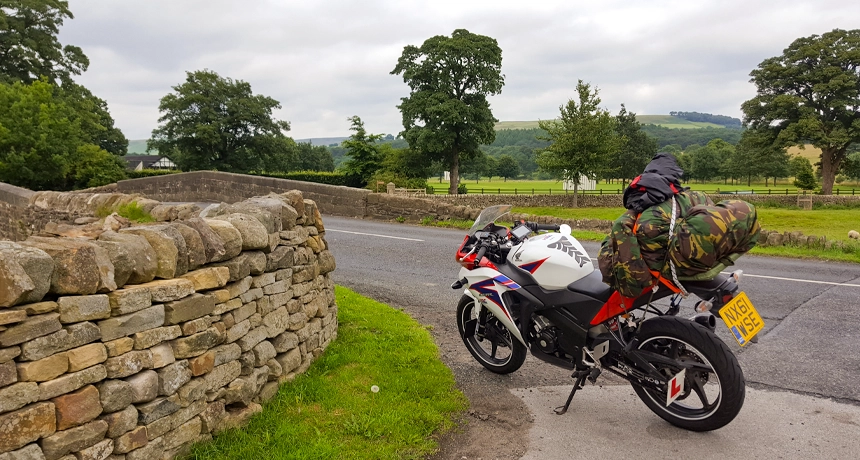
For me, though, the story is a little different. I gained my first CBT in 2015 and happily buzzed around on various 50ccs at first, before moving up to 110s and then 125s. When that CBT expired in 2017, I completed another one so I could stay on the road for another couple more years if I wanted to. Later that year, when I turned 19, I became eligible to take my A2, but I chose to stick with the 125 for another year, which brought me to 2018, aged 20.
By this point, I’d started to outgrow my little 125 despite it taking me here, there and everywhere. My Yorkshire Dales trip from Norfolk was a prominent one when I was 18, and to me, it really just proved the capabilities of smaller machines despite being on L-Plates. Yes, you can’t venture onto roads like the A1M, but handily, the Great North Road runs right alongside, meaning access to 125cc road trips in the UK on L-Plates lies merely on the rider and having enough confidence to do it, again, proving the flexibility of the UK licensing system. 125’s are not just for commuting! …Although they are a fantastic machine for it.
125cc for Covering the Distance
If you’re happy completing your training every couple of years and paying the fee, the UK is your oyster to explore, and most 125cc machines nowadays can happily get up to 70mph on the dual carriageways. Plan your route, think about a navigational device, throw a set of soft panniers over the back (if you need them) or pack a backpack and away you go!
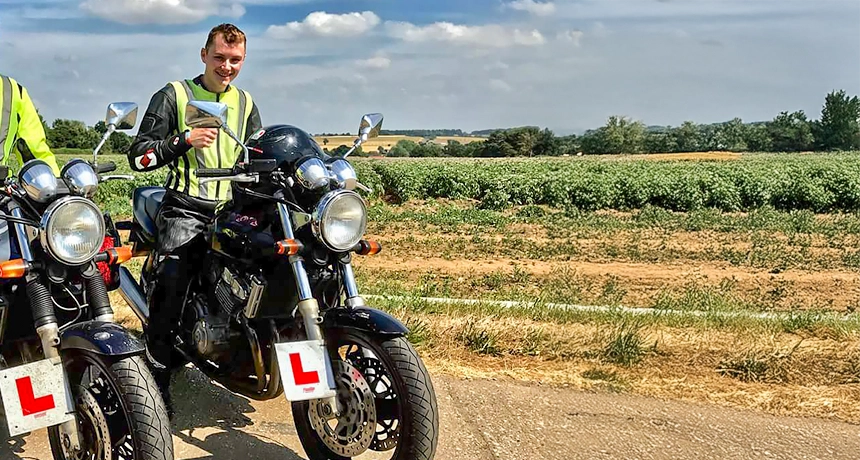
Once I had decided I was going for my A2 in 2018, I booked my theory in and once I’d passed that, I booked my training in for Mod 1 & Mod 2. Naturally, I already had a valid CBT certificate from the year before when I renewed it, so that was already covered.
When I passed my A2, I was then, of course, allowed to ride machines up to 47hp. This suited me perfectly, and this was where I stayed until 2026, when I’m writing this article. My time on A2 was brilliant, and for real-world road use, I found it plenty. I even found the original photo from when I passed my A2 in 2018! I look a little different…
A2 For Touring & Commuting
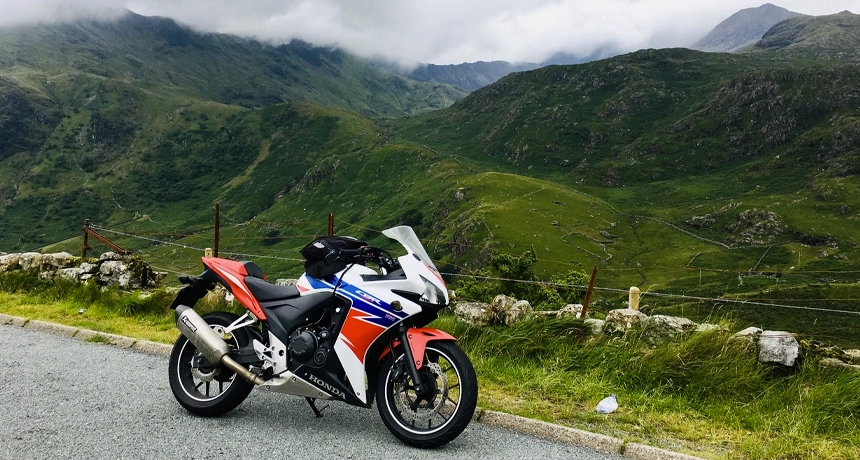
I only ever commuted via two wheels until 2022, so had a good run of 28 different seasons over seven years in addition to the many trips I went on and as I did with my 125, I have been on plenty of road trips with various A2-powered machines, with my favourite being a 1600-mile tour in 2020 over two weeks on my Honda CBR500R with a little backpack and tiny tent, or the trip on my slightly restricted NC750X.
My CBR125R was good for the distance, but the 500R was just that bit better and never left me longing for more. Again, it just goes to prove that you don’t need an R1300GS or Honda Goldwing for covering a few miles!
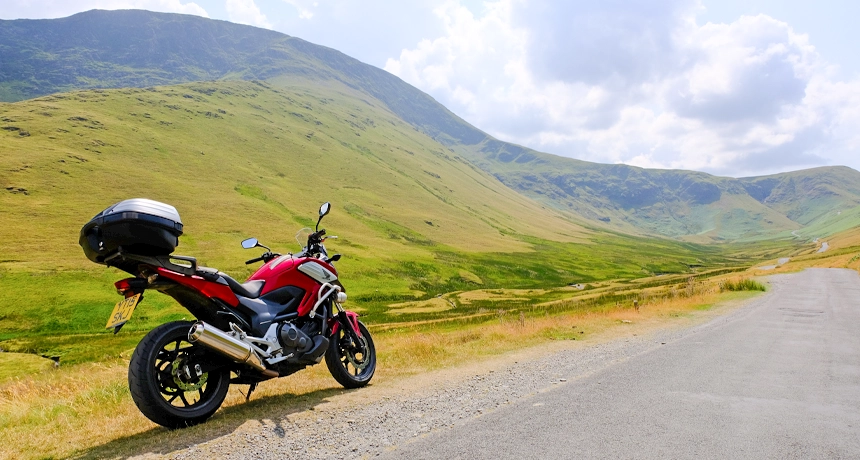
125cc and A2 machines, in my opinion, are among the most versatile (having had 16 of them!) and should never just be seen as a ‘stepping stone’ or something to simply get from A to B. If you’re not the biggest fan of speed but prefer to enjoy the scenery, do some distance and commute on for several years, the humble 125cc or A2 machine may be all you need!
Camrider Steps In for my Progressive Licence
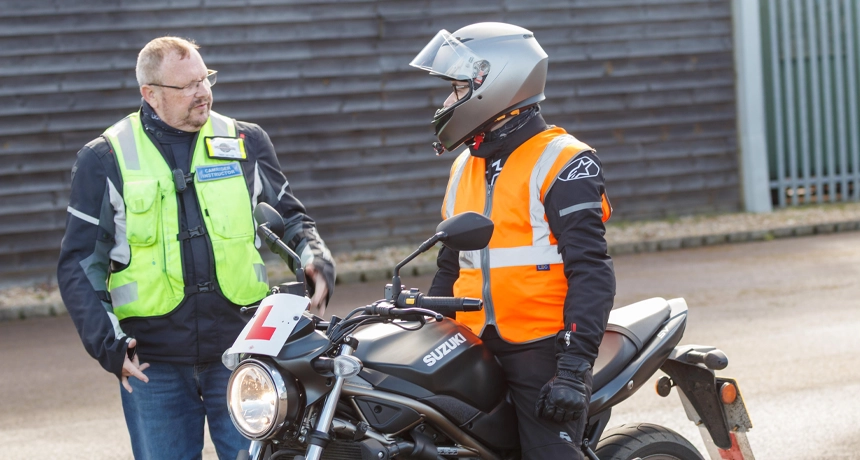
10 years into my riding career, I thought it was about time I made the final step into my full A licence, despite being able to do it eight years ago, which is where Camrider training stepped in.
The booking process was straightforward, and I was in the week after the initial call on an SV650 practising for my Mod 1, now that’s what I call efficient…
As I already held an A2 licence, I didn’t require anything other than my plastic licence card, and the training process was clearly explained with clear instructions and friendly instructors (I’m talking about you, Alan & Jan!).
Module 1 Training & What to Expect
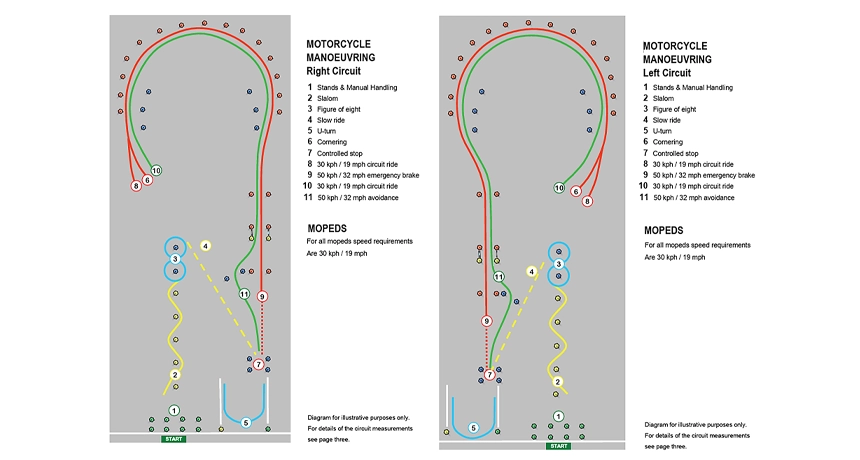
Basic manoeuvres were shown for a few hours in the morning, in a layout you’d expect to see for your actual test. In the Module 1 test, you can expect to complete several individual manoeuvres; some slow, and others more technical and faster.
It will always start with a manual handling exercise where you ride the bike into either the left or right set of 4 green cones, always aim for the right box though (it means you have the stand on your side and makes life so much easier!).
After this, you will be required to complete a slalom manoeuvre, beginning between the yellow cones and finishing with three figure-of-eight circuits between the blue cones.
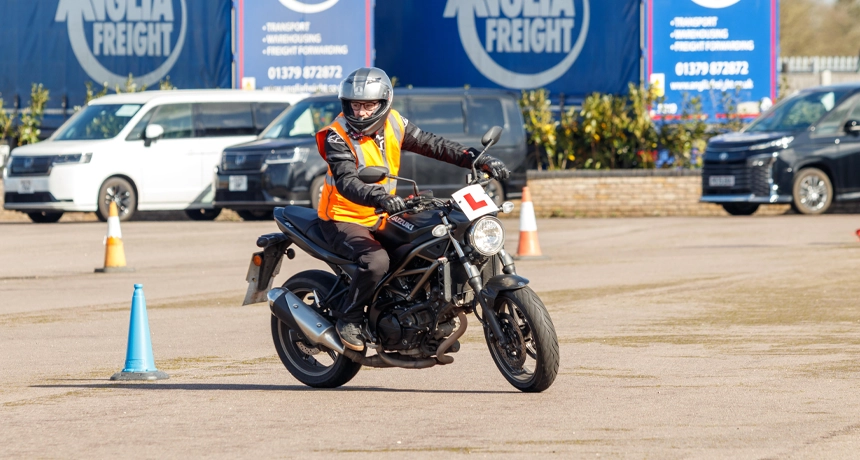
After this comes the slow ride. Your examiner will ask you to ride at a walking pace or slower before positioning yourself for the U-Turn, in the space of a standard carriageway. Beginning on one white line, you’ll need to demonstrate a controlled U-turn without putting your feet down or crossing the opposing white line.
Next comes the faster exercises where they will ask you to ride the circuit around the top of the pad at approximately 20mph, entering beside the three blue cones (although this bit isn’t speed recorded), before exiting the following three blue cones at the other end and coming to a controlled stop between the four blue cones at the end.
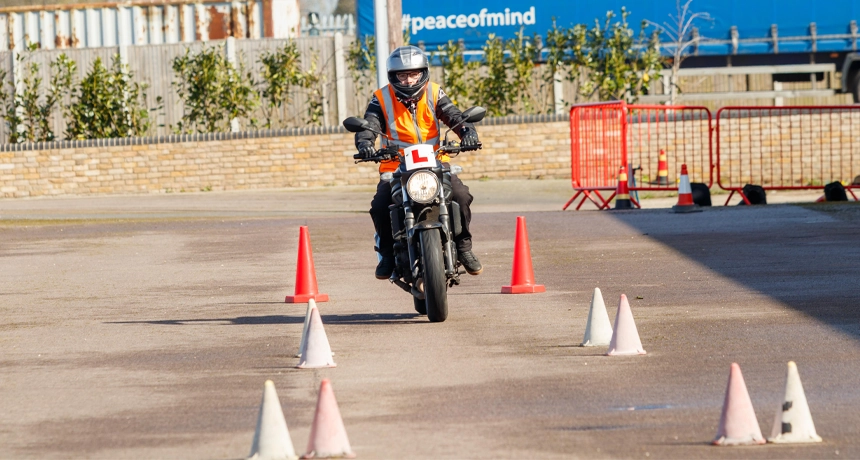
This manoeuvre isn’t speed recorded, but get a feel for what it’s like to ride through the speed trap anyway at the minimum speed, to prepare you for the next exercise (50kmh/32mph).
Now comes the speed recorded exercise, meaning it’s nearly the end! You’ll ride the same circuit again, but this time your examiner will hold their hand up when they want you to complete an emergency stop, and it is speed recorded. You’ll have to reach the minimum required speed.
The final manoeuvre will involve you riding the same circuit again, reaching the speed trap at a minimum of 32mph, but now, you’ll have to demonstrate hazard avoidance by riding through the two blue cones just after the speed measuring device. Whether the pad is set up for a left or right circuit on the day will determine which side you perform the hazard avoidance.
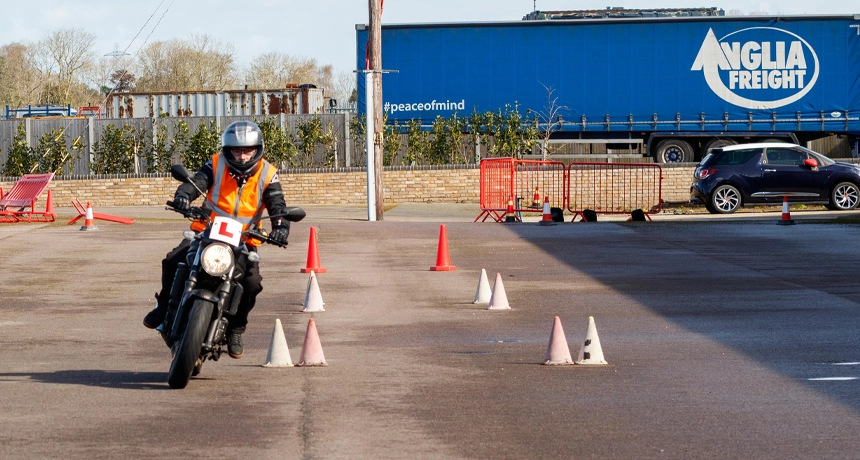
And that’s just about it! It is key you remember your lifesaver checks during the Mod 1, though, treat it like a public highway and don’t forget, the test isn’t over until you leave those gates!
Despite having ridden for a decade already, naturally, you tend to pick up some bad habits, which were highlighted when we went out on the road for the next session of Mod 2 training.
Mod 2 Training at Camrider
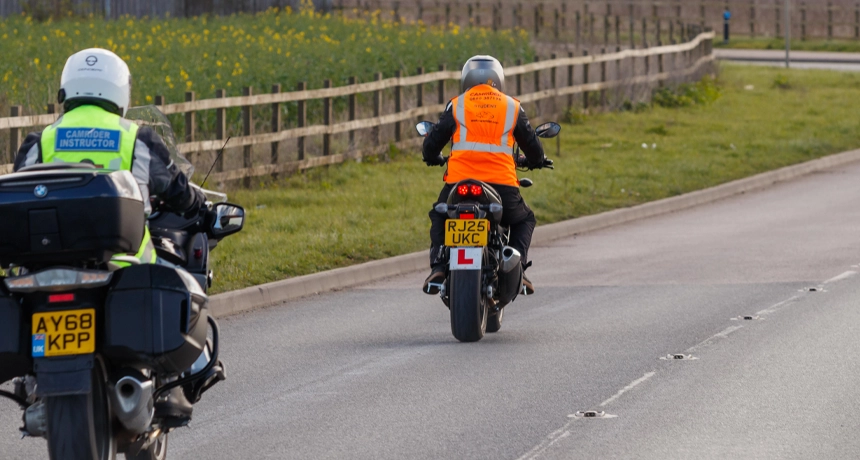
Leaving the training centre at Eye with the cones and speed measuring devices behind, we set out on the road towards Diss town centre, which gave Alan a good idea of my pre-existing riding skills and techniques whilst also monitoring where I was going wrong.
My most notable error was incorrect lifesaver checks at roundabouts and being more towards position three on the road due to my previous experience, predominantly riding in groups on the road.
Once I’d got my head around sticking to the middle in position two as I was riding solo and remembering to complete my lifesavers on the lane I was not in, nothing much else that was major needed mentioning, and that was my training finished for the day.
Mod 1 Test Day & Some More Mod 2 Training
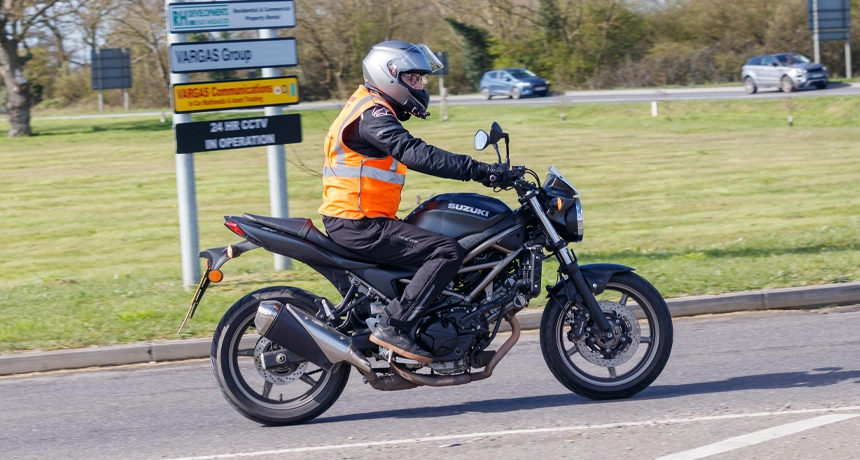
Arriving back at midday the following day in Eye, I was put with Jan for the rest of the day. We initially started with some Mod 1 training (as I’d been with Alan the day prior) and got my techniques up to scratch for the test before we left a little early towards Ipswich for the test itself and to get used to riding around Ipswich for my Mod 2 in a couple of weeks.
Jan had the clever idea of leading the 45-minute ride down so I could take note of her positioning and techniques as she talked them through on the intercom with me, ultimately then riding the route back with her behind so she could inform me of what I was doing right and then errors or Mod 2 fail points and so on.
Arriving in Ipswich, we spent some time getting used to the lay of the land regarding certain junctions, the infamous spiral roundabouts and other areas around the test centre itself. The whole time, Jan’s instructions were clear and easy to follow, and the tips she had for me proved very helpful.
Time for my Module 1 Test
1435 and I’m called up for my Mod 1. Somehow, the nerves kick in despite my prior experience, but I think that’s a thing with all tests (for me at least). The most important bit to remember is to follow instructions, ask for clarity if you’re unsure and don’t ever forget that you’re treating the pad as a public highway. That means lifesavers and mirror checks all as if you’re on the road.
The layout diagrams are shown above in this article, but I’ll remind you again, don’t forget that the centre can change it to either a right or left circuit on the day, so a handy tip is to have a little look through the fence when you arrive to check for which side the speed trap is situated on.
I thankfully passed with only two minor faults – one was entering the speed trap 1kmh slower than I needed at 49kmh instead of 50kmh on the hazard avoidance (annoying!), and the other was completing the figure of eight a little wide, so not too bad overall.
The Morning of The Module 2 Test
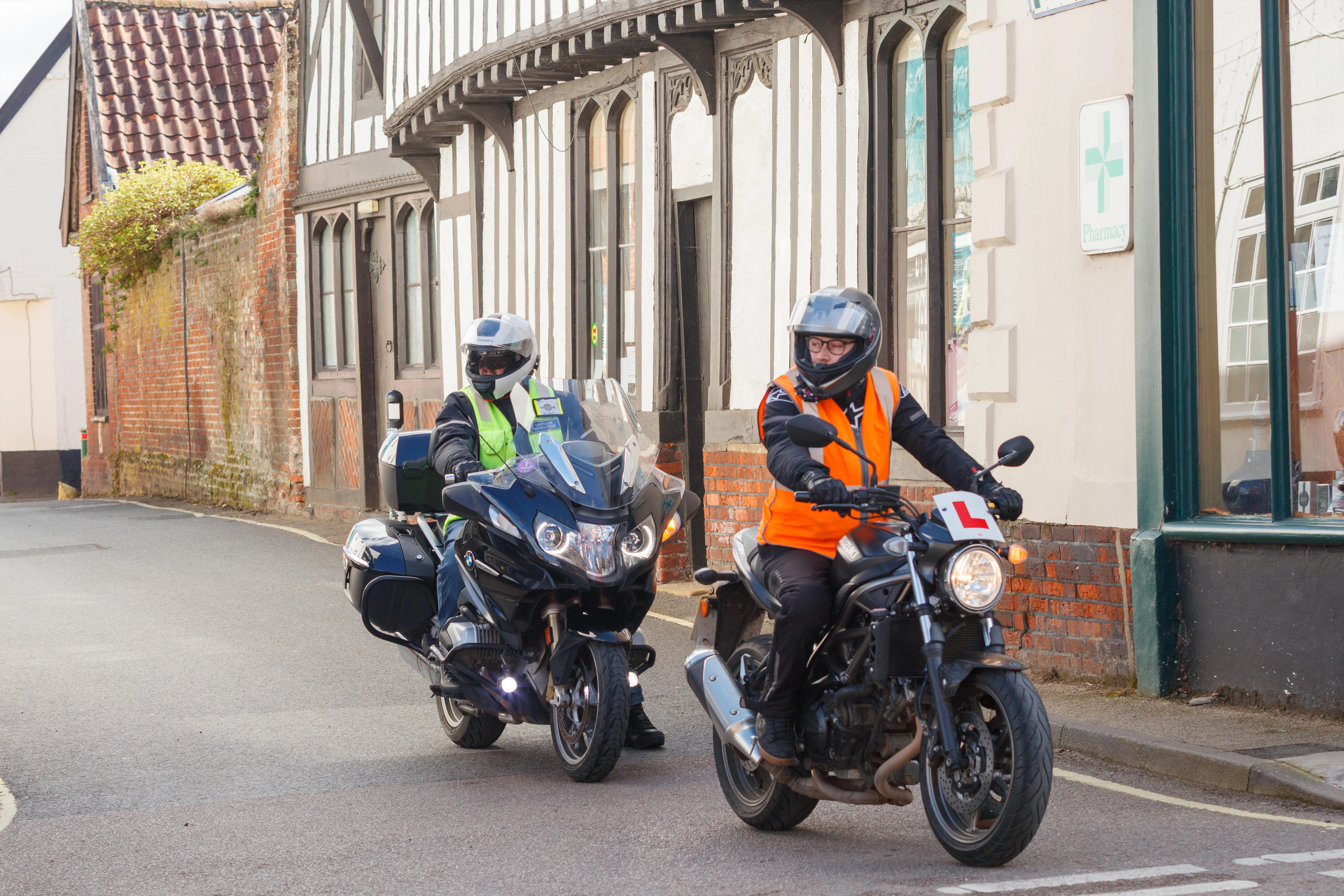
A couple of weeks later, it was the day of the final test.
Unusually nervous despite my prior experience, I soon got suited and booted, greeted with the trusty SV650 again, and we were soon on the way to Ipswich from the Camrider base in Eye, just outside of Diss.
Arriving in Ipswich, we did a little bit of riding around, getting used to the lay of the land again and making sure I was in the right frame of mind before it was time to make our way to the DVSA test centre.
Completing the Mod 2!
Leaving for the test, we went outside, and I was asked to read a number plate for my eyesight check. After this, we got our radios set up, and we went straight into the 10-minute independent ride down the A14, then looped back into Ipswich, where Martin (the DVSA examiner) took back over the navigation part of the ride, and I followed his route.
The route consisted of a mix of housing estates, roundabouts, dual carriageways, and industrial areas, so it was certainly varied, with a range of tricky junctions and technical road sections.
I was asked to pull over at a safe location a few times during the test, but mainly, the test is about showing you can ride safely; it is not a navigational test in any way at all. The total ride lasted 32 minutes, yet it felt much longer!
There were a few sections I wasn’t totally confident in, leaving me unsure about how the test went. I put this down to the pressure of the test and nerves kicking in, but thankfully, I passed with only 3 minors, so not too terrible overall and with that, it marks the end of this article…
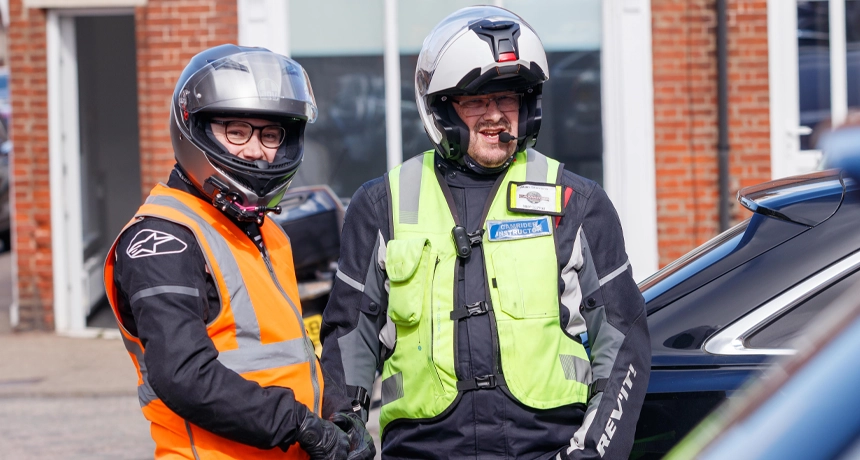
The Last Stop!
I hope you enjoyed reading about the journey I’ve taken to get to full category A, and I also hope it shows that while the UK licensing system can be lengthy, you don’t have to put pressure on yourself to keep upgrading every couple of years. Smaller capacity bikes are more than capable of riding beyond commuting – even on L Plates!
With thanks to Camrider for getting me through my A licence.
If you’re on the same journey, don’t forget about insurance for your new machine. Head to Lexham Insurance to get your motorcycle insurance quote today!