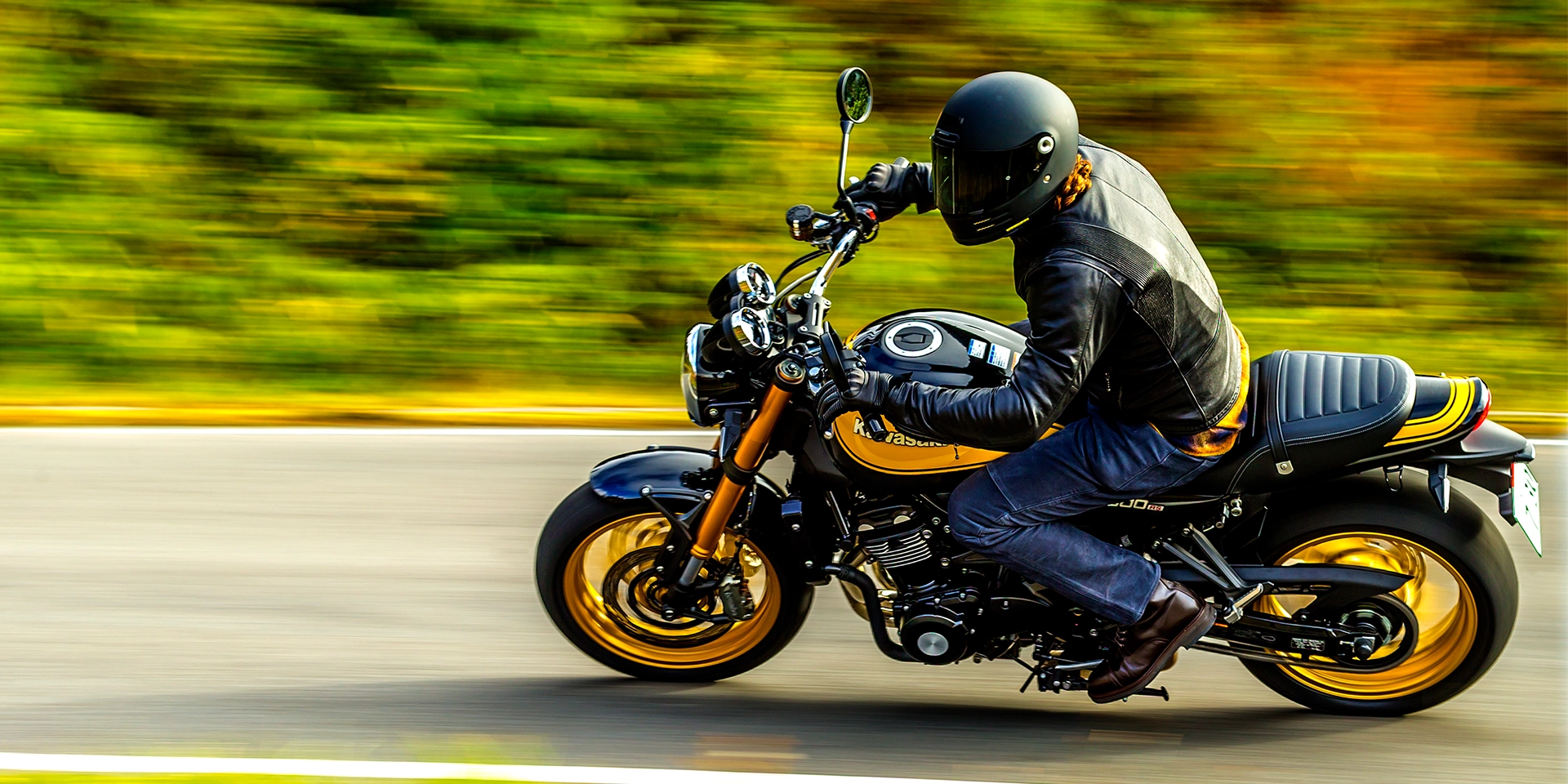
When it comes to retro-styled roadsters, a handful of bikes stand out. If you want something ‘50s-style, none are more authentic than Royal Enfield’s Bullet or Classic. If 1960s British twins are your thing, Triumph’s Bonneville T100 or T120 has them all beat. And if you fancy a reincarnation of a 1970s Japanese superbike, none does it better than Kawasaki’s Z900RS.
Unveiled in 2017, the RS is essentially a restyled, modern Z900 roadster inspired by Kawasaki’s original superbike king, the 1973 Z1 900. As such the RS’s liquid-cooled four-cylinder engine and monoshock-equipped chassis is pretty much the same as the Z900 (but with some fake cylinder finning to make it look ‘old’), but its all-new bodywork is a convincing recreation of the Z1s with the paint and badging to match; there are equally convincing twin chrome-rimmed analogue dials supplemented by a modern digital panel and it’s lavished with quality, tactile details.
Better still, 2022 saw the arrival of an additional SE model with uprated Brembo brakes and Öhlins rear shock. Both have now been updated again for 2026. We took Kawasaki’s UK SE press bike for a half-day spin around Buckinghamshire to find out how it measures up.
2026 Kawasaki Z900RS SE: What is it?
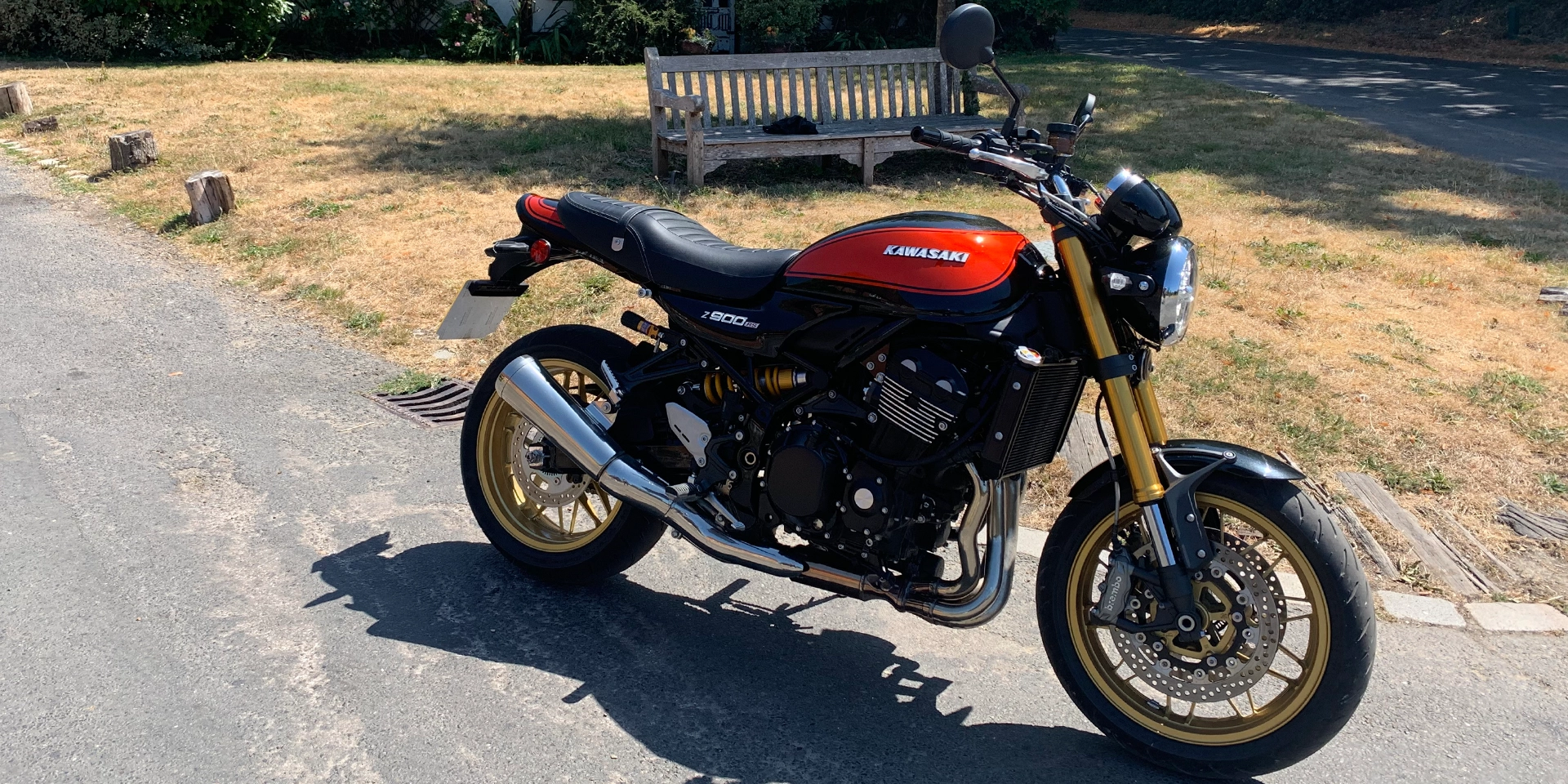
Like most ‘retros’, the Z900RS SE is a modern bike styled to resemble an old-fashioned one – in this case a Z900 roadster restyled to resemble the 1973 Z1 900. It’s executed comprehensively and impressively, too, with great styling, fabulous detailing right down to the fonts used in the badging, and yet competitive modern dynamics thanks to the Z900's 114bhp underpinnings.
The SE version, introduced in 2022, adds to that with fully adjustable forks, an Ohlins fully adjustable rear shock and superbike standard Brembo radial brake calipers.
Both have been updated again for 2026 partly to adhere to the new Euro5+ regs. There’s now a six-axis IMU to help bring its rider aids bang up to date with the ABS and two-stage traction control now gaining cornering functionality. Cruise control and a quickshifter are added, and the engine gets reworked cam profiles, increased compression (from 10.8:1 to 11.8:1), new electronic throttle valves, and a revised exhaust, which combine to improve throttle response, enhance the soundtrack, and add 4 extra bhp.
The bike also gets revised gear ratios to improve acceleration, slightly revised steering geometry, and a slight (1kg) weight increase.
Kawasaki Z900RS SE Price & Availability
Kawasaki Z900RS SE: £12,949
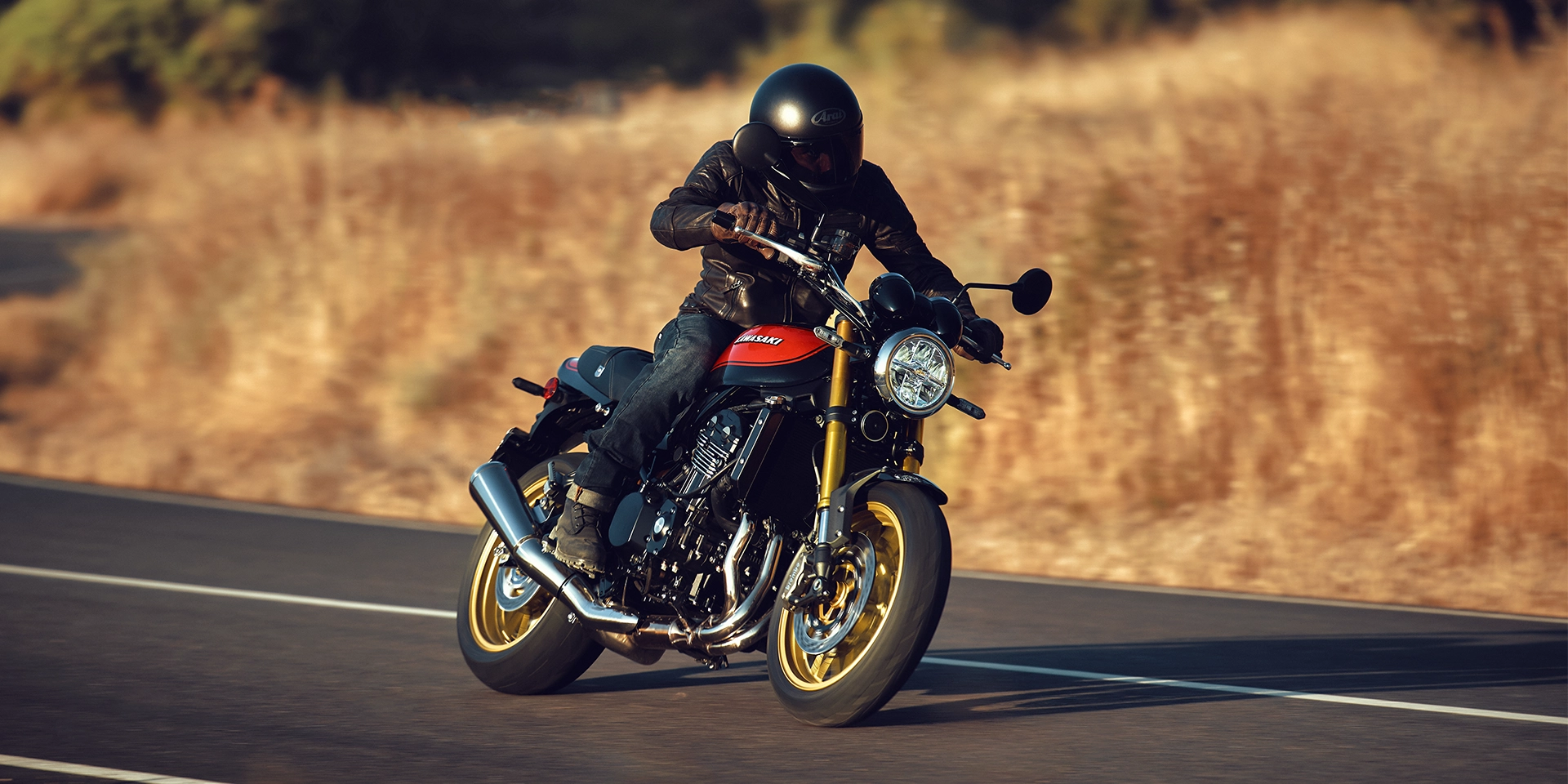
Although the more premium Z900RS SE now costs a fairly sizeable £12,949, there are other variants for significantly less. The base Z900RS (without the Ohlins and Brembos) starts at just £11,499, for example, while there’s also currently the blacked-out Z900RS ‘Black Ball’ for £11,699.
In comparison, rivals include Suzuki’s GSX-S1000-based Katana (for £12,499), Yamaha’s XSR900GP (£10,904), BMW’s R12 NineT (£14,420) and Triumph’s Speed Twin 1200 (£12,795) and Honda’s new CB1000F (£10,595)
Like all current Kawasakis, the updated Z900RS SE is available now from Kawasaki’s 130-strong network of UK dealers. For the latest info, go to the Kawasaki UK website.
Kawasaki Z900RS SE Engine | Fruity Proven Four
Liquid-cooled 948cc transverse four | 114 bhp | 98 Nm | 4T 4V DOHC | Quickshifter
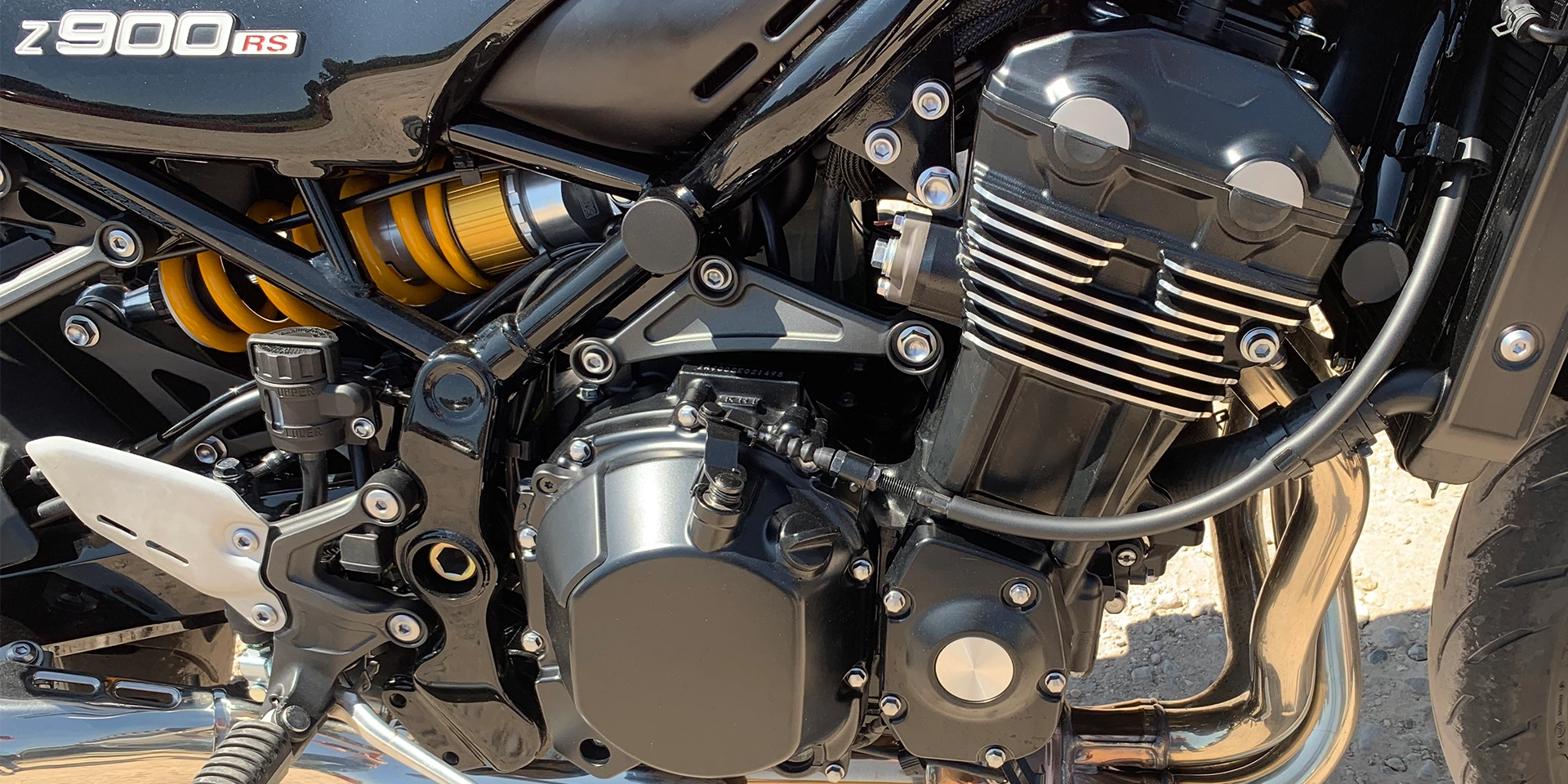
Although updated for 2026, the 948cc transverse four-cylinder which powers the Z900RS dates back not just to the Z900 of 2017 but also to the Z1000 of the Noughties (if not beyond) by being a sleeved-down version of that bike’s 1000cc unit. In Z900 form, it produced 123bhp, then was detuned (and gained subtle cylinder finning) to 109bhp for the first RS.
For 2026, new cam profiles, a heavier flywheel, updated induction, and a new exhaust result in 114bhp, an improved throttle response (at the slight cost of peak torque) and a fruitier exhaust note. Closer-ratio gears and a now-standard quickshifter further improve acceleration plus a new 6-axis IMU adds a cornering function to the traction control and ABS. Cruise control is not standard, too.
It’s a great engine, too. Although, being a transverse four, it’s still so whistlingly smooth it seems a little bland compared to rivals such as the twin-cylinder Triumph Speed Twin and BMW R12 NineT, plus the three-cylinder Yamaha XSR, it’s now, due to the revisions, certainly fruitier than before.
It’s also impressively versatile, having enough responsive midrange to make the RS easy round-town transport but also sufficient high-end performance to be truly thrilling on speedy Sunday rides.
The new quickshifter and revised ratios add to all this, too, with the result that the updated Z900RS SE, while undeniably a fashion victim posing machine, is also a genuinely credible middleweight ‘naked’ in its own right, and one more than capable of hanging onto the shirt tails of other performance roadsters such as Yamaha’s successful and popular MT-09.
Kwasaki Z900RS Handling | Retro in Name Only
216 kg | 845mm seat | 1,465mm wheelbase | 140mm ground clearance | 41mm USD telescopic forks & Ohlins S46 monoshock rear
Some retros have their handling compromised by styling niceties such as twin-shock rear suspension, not so the Z900RS and especially the SE. As the chassis of both is virtually identical to the modern Z900, no corners (if you excuse the pun) are cut. Both have modern inverted front forks and monoshock rear ends held by a tubular steel frame also based on the Z900’s. The latter is widened slightly to accommodate the fatter RS tank, while the SE gets fully adjustable forks and a top-spec (and also fully adjustable) Ohlins rear shock.
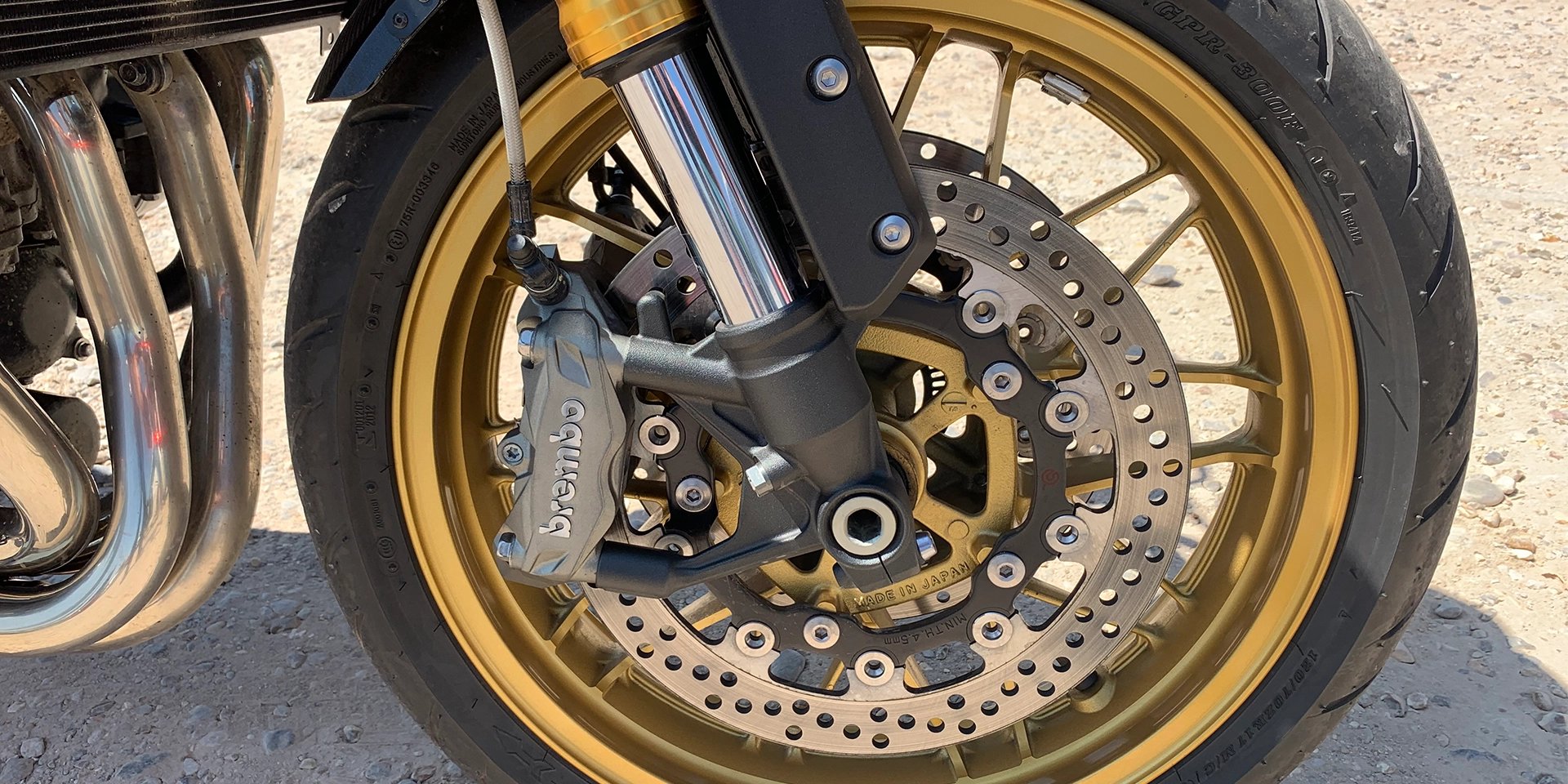
Braking isn’t compromised one jot by the retro style, either. Both versions have twin big 300mm discs up front with the RS’s grasped by four-piston Tokico calipers and the SE’s uprated to radially mounted Brembo M4 versions, the likes of which wouldn’t look out of place on a full-bore superbike.
All of that adds up to a bike that, although outwardly a ‘70s-style retro, inwardly is very much a modern, four-cylinder, performance roadster. Being a four means it's heavier, wider and bulkier than both the twin and three-cylinder competition, but not so much to be a hindrance.
But the RS – and SE in particular – also compensates for that with better quality than most cycle parts, such as its suspension and brakes, and from the simple fact that it’s based on an already proven and effective modern roadster – the Z900.
The slight geometry and weight changes for 2026 don’t make much discernible difference, but it doesn’t matter: stability is no concern; steering is light and responsive; the SE’s suspension gives the cultured, classy ride you’d expected from anything Ohlins equipped and its braking is faultless, too.
Kawasaki Z900RS SE Features
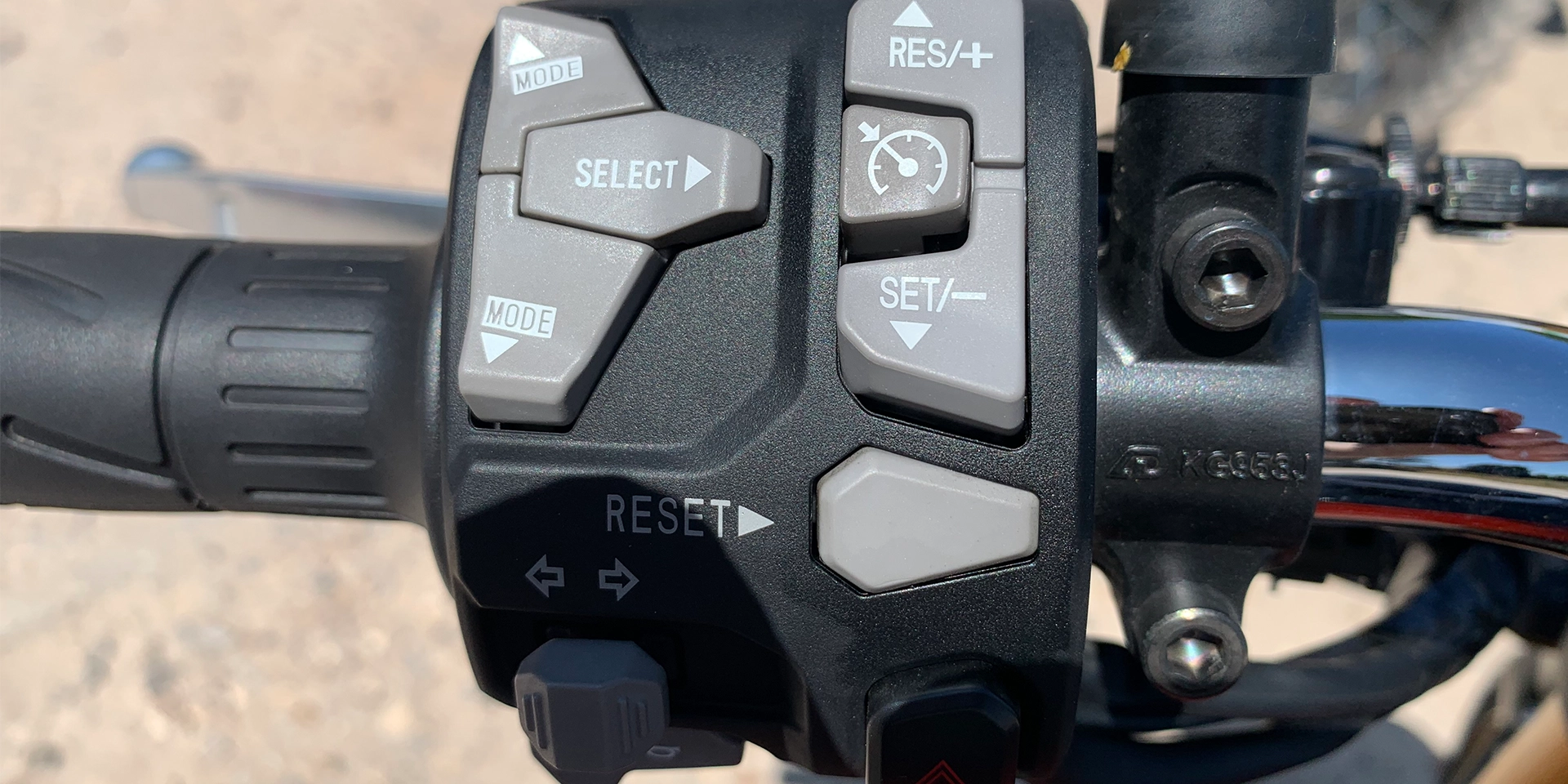
Dash: Twin analogue dials | Cruise control | 17 L tank | Cornering ABS
Being an old-fashioned roadster means you never normally expect ‘retros’ such as the Z900 RS SE to be lavishly equipped – but the Kawasaki is better than most.
As well as the SE’s multi-adjustable forks, Brembo brakes and Ohlins rear shock, it also now has, for 2026, a quickshifter, cruise control and cornering-enabled ABS and traction control.
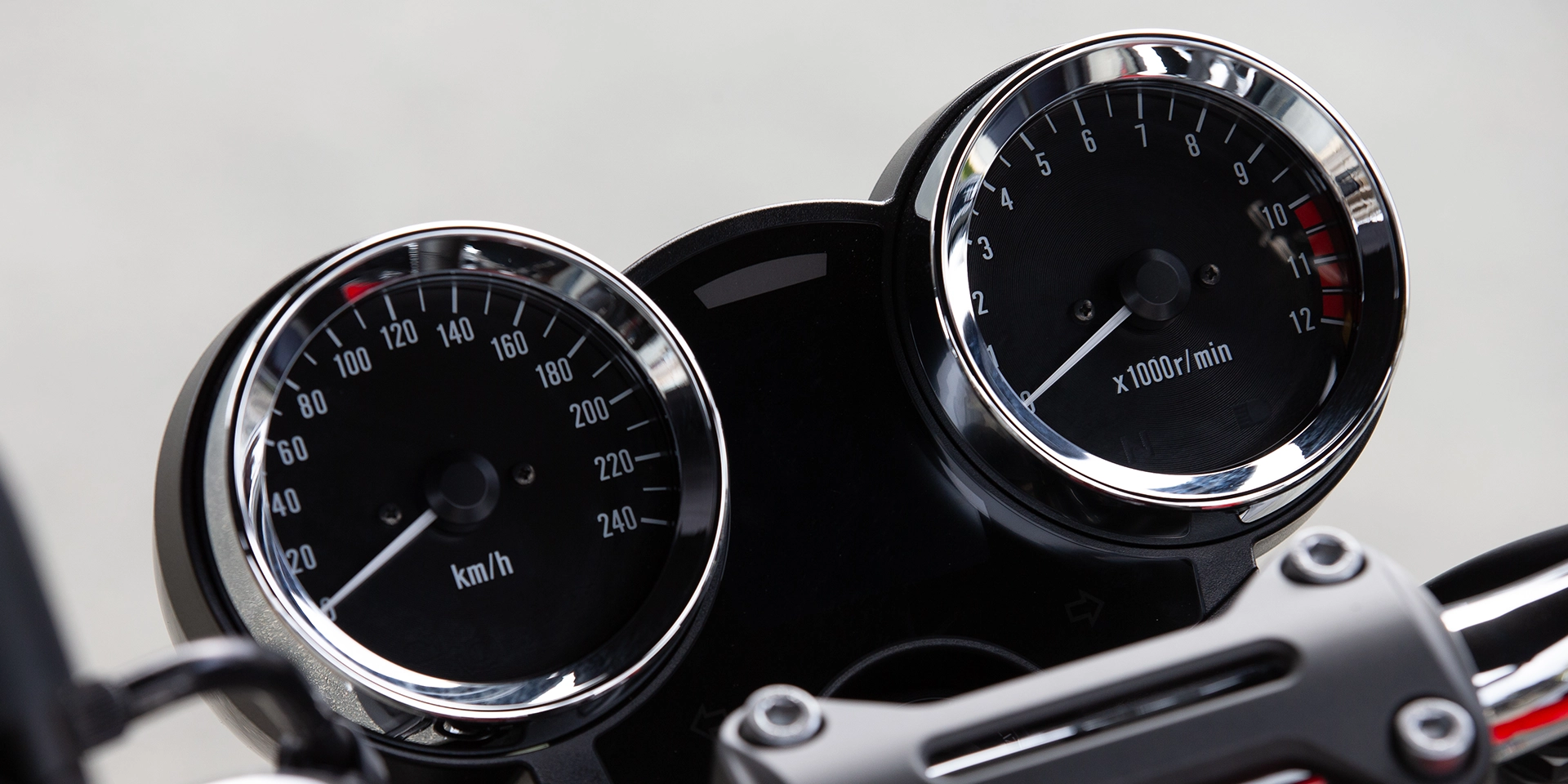
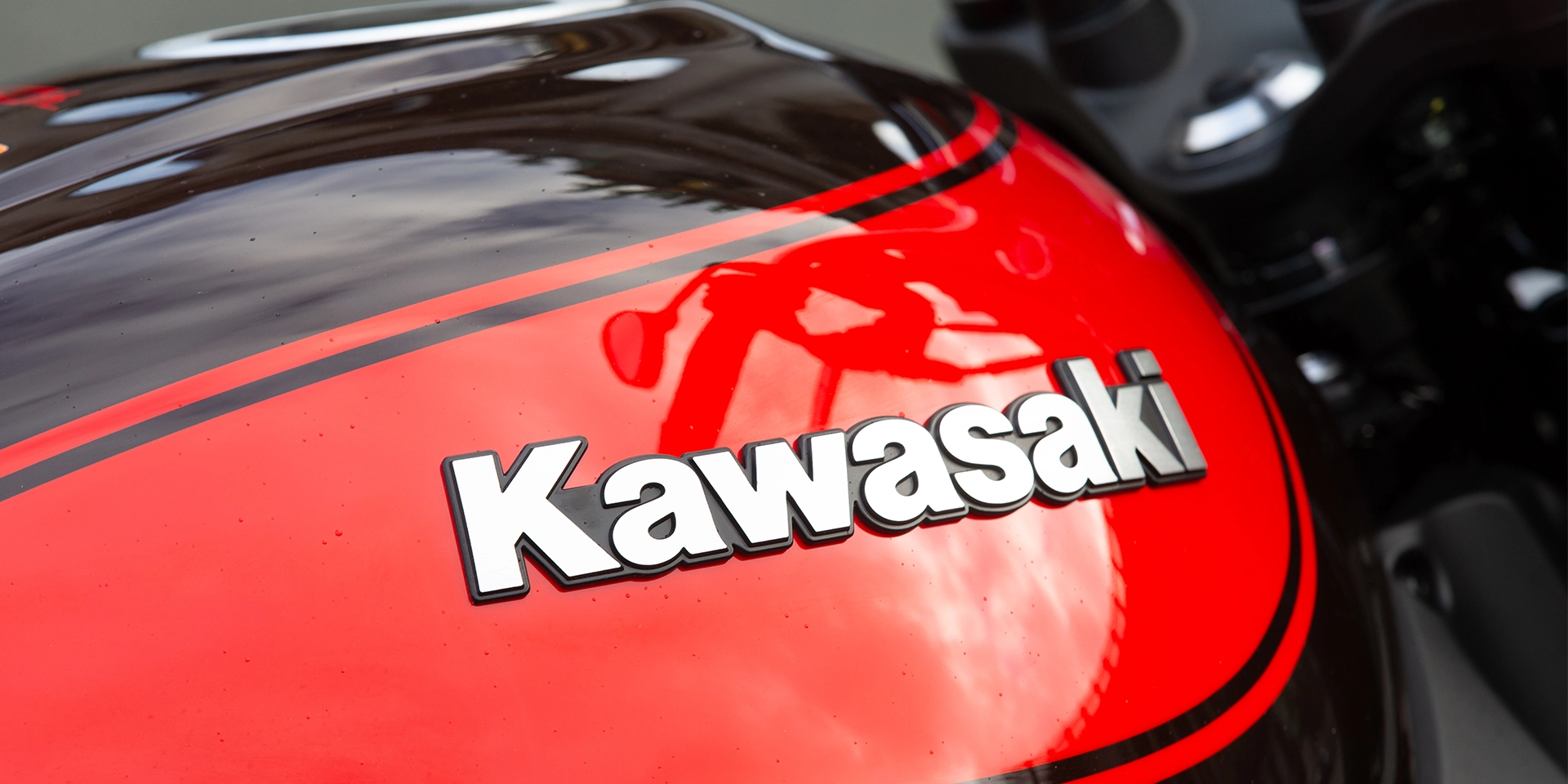
Instrumentation on both bikes sets the retro bar by comprising classy, chrome-rimmed twin analogue dials flanking a slick digital info panel. Switchgear is equally ‘premium,’ and the whole bike has the kind of build quality and detailing, including two-tone paint, retro badging, a plush quilted seat, and more, that defines its standard sub-£11K price.
Anything Else?
Comfort is good, with the RS and SE both having a classic retro roadster, upright riding position with a hint of forward sporting bias. Instead, what sets the Kawasaki apart in this aspect is its slightly broader, heftier and wider four-cylinder gait, not that it’s anything to worry about. As a naked roadster, however, although sufficiently comfortable, with no fairing or weather protection, long-distance cruising or touring isn’t the best.
Three colourways are currently available, with more variations on older used models, all authentically recreated from the 1970s. The standard Kawasaki warranty offer covers two years with unlimited mileage (although this is extendable to four via Kawasaki's Warranty Plus program), while servicing is due every 7600 miles (12,000 km) or 12 months, whichever comes first.
Pros
-
Fabulous 1970s Style
-
Good Base Z900 Dynamics
-
SE adds a Premium Feel
Cons
-
SE Addition adds £1500 to the Price
-
Four is a Little Bland for Some
-
'70s Look Doesn't Appeal to All
Verdict: Kawasaki Z900RS SE
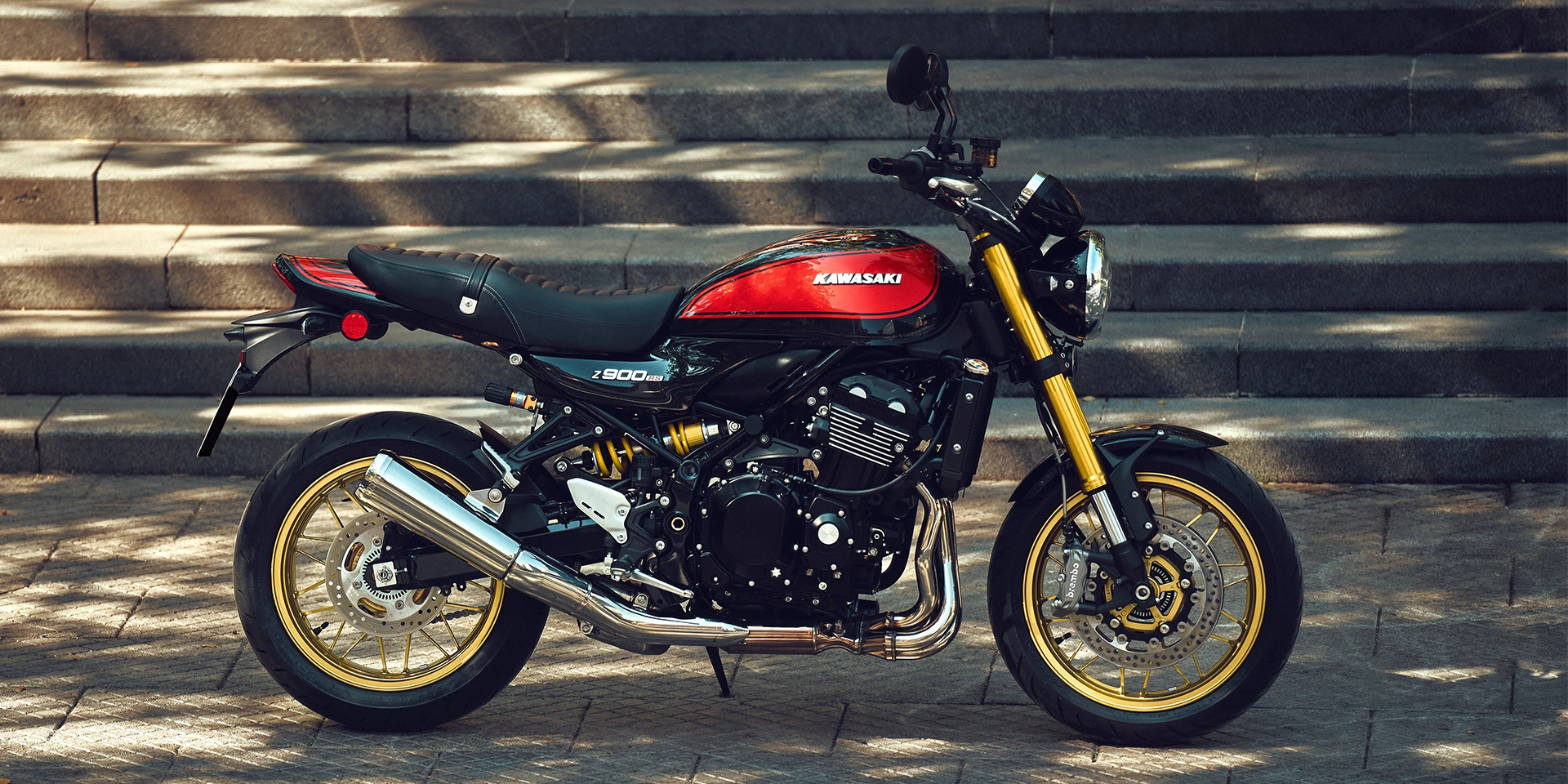
The Z900RS has been the definitive and best 1970s-style Japanese retro roadster ever since its introduction in 2017 – although Honda’s new CB1000F (which we’ll be testing shortly) could change that.
Its mouth-watering looks, competitive Z900 mechanicals and dynamics, and exquisite detailing and build quality are what set it apart. The SE version, meanwhile, is more mouth-watering still, although it’s perhaps hard to justify its £1500 premium.
This new version, although only subtly different, improves its specification and adds to its performance and character. That should be enough to keep the Z900RS SE as the Japanese 1970s-style retro bike to beat – but we can’t wait to try the new, more powerful (122bhp) yet cheaper (just £10,595) Honda CB1000F…