As electric motorcycles and scooters become more common on UK roads, riders are starting to ask the big question - are they really worth it? From ULEZ-free commuting in London to cheaper running costs and smoother city rides, electric motorbikes are reshaping two-wheel travel.
Whether you’re a new rider looking for an easy first bike, a city commuter tired of fuel prices and congestion, or a delivery rider chasing lower daily costs, understanding the pros and cons of electric motorcycles and scooters can help you decide if switching to electric power is the right move for you.
How do electric motorbikes and scooters work?
If you’re new to the electric motorcycle and scooter scene, you might just be wondering how they actually work.
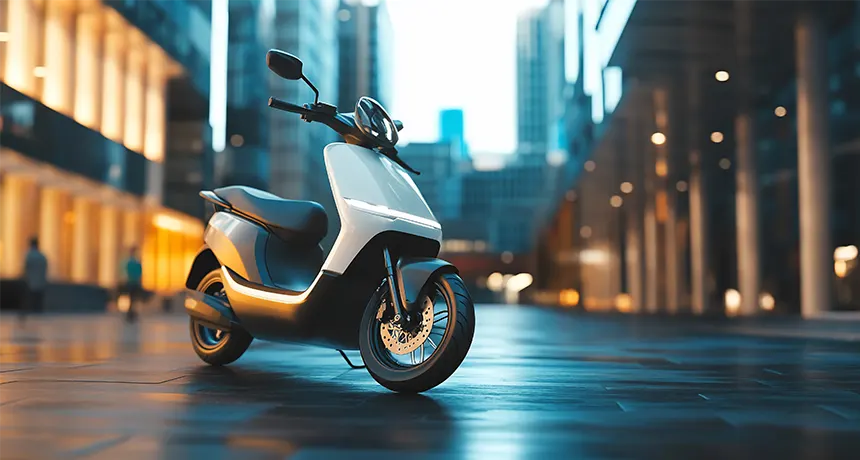
These use a rechargeable battery to power an electric motor, which drives the wheels, similar to an electric car, really. When you twist the throttle, the power from the battery is transferred into the electric motor, moving the bike.
So instead of relying on fuel and all the inconvenience that comes with it, from regular petrol stops to oil changes and engine maintenance, you simply plug in, recharge your battery and ride.
Do I need a licence to ride an electric motorbike or scooter?

Electric motorbikes and scooters still require a valid driving licence, registration, insurance, and a helmet.
For a moped, you must be 16 and have your provisional licence and CBT, whereas for an electric motorbike or scooter, you will need a motorcycle licence and be at least 17 to ride on public roads.
Do electric two-wheelers need an MOT?
How to know if an electric two-wheeler needs an MOT is entirely based on its classification; legal e-bikes don’t need one, however, electric mopeds and motorcycles do.
Do electric motorbikes and scooters pay road tax?
Previously, electric vehicles had been exempt due to having zero emissions; however, new government rules mean that since April 2025, all drivers contribute to road tax. Therefore, yes, electric motorbikes and scooters are required to pay road tax.
The benefits of electric motorcycles
Electric motorcycles offer a range of benefits. One of the most obvious is that they produce zero tailpipe emissions, helping create a greener planet and reducing pollution.
On top of that, electric bikes deliver a quieter, smoother ride and are often easier to operate, especially since they don’t require a clutch. They also come with minimal maintenance.
If you’re new to riding, Electric two-wheelers can be easier to ride
If you’re a beginner, an electric bike might just be for you. With a smoother power delivery and lower centre of gravity, it can make them feel much easier to handle at low speeds.
If you’re a city commuter: Fully electric vehicles are ULEZ free
Fully electric vehicles are exempt from London’s Ultra Low Emission Zone (ULEZ) charge because they produce zero tailpipe emissions.
This is great news if you use an electric bike for commuting. However, be sure to keep an eye on future policy changes and check local rules in other cities, as exemption criteria can differ.
If you’re a seasonal rider: Electric motorbikes are easier to store in winter
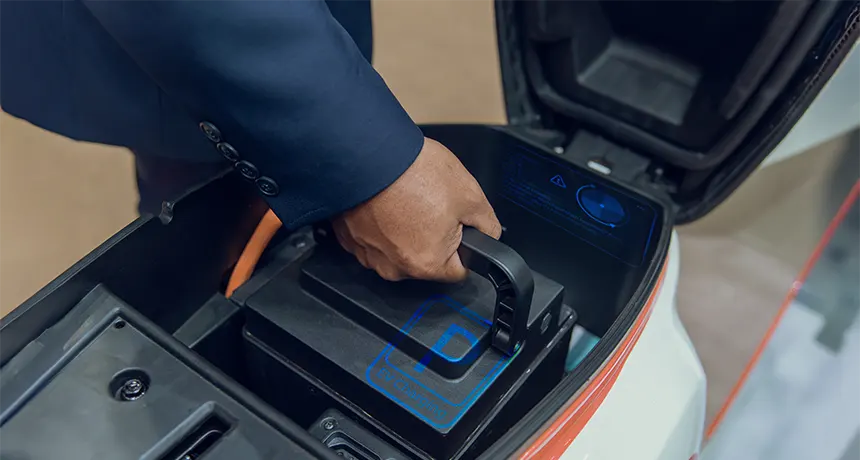
For those of you who don’t plan to ride during the colder months, another advantage of electric motorcycles and scooters is that they’re much easier to store over winter.
Unlike petrol bikes, electric bikes need very little mechanical prep for winter. In most cases, you simply remove the battery and store it indoors. Just keep in mind that not all models have removable batteries, those that don’t may need a replacement after long periods of storage, which is often the biggest ongoing cost of owning an e-bike.
If you use your bike for work: Electric motorbikes are often cheaper to run
Although electric bikes generally cost more upfront, they’re often cheaper to operate.
This is because electricity is typically less expensive than petrol, but this can differ with varying charging rates and electricity tariffs. Maintenance costs are also typically lower since electric bikes have fewer moving parts.
If you live in a built-up area: Electric scooters and bikes are quieter
You won’t have to worry about disturbing the neighbours, electric bikes are far quieter than petrol models, thanks to the absence of a combustion engine.
Whilst they do produce some sound, it’s minimal, and some models are almost completely silent. This means less noise pollution and a much more peaceful ride.
The downsides of electric two-wheelers
Although electric two-wheelers offer plenty of advantages, it’s important to acknowledge their drawbacks as well - especially for riders who rely on their bikes for daily commuting or long-distance travel.
Understanding these limitations, from charging times and range constraints to higher upfront costs, helps give a more balanced view and ensures riders can make an informed decision that suits their lifestyle and riding habits.
If you use your bike frequently: Charging can be time-consuming
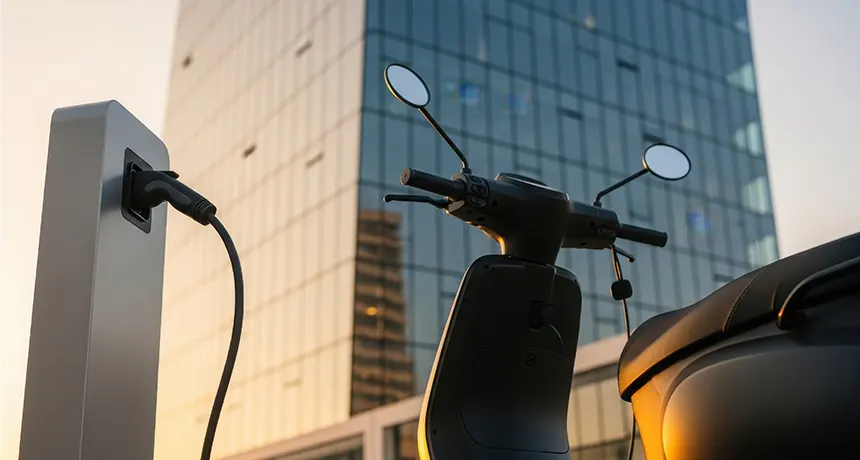
For daily riders, one key drawback of electric two-wheelers is the longer charging time compared to the quick refuelling of petrol bikes.
Depending on the battery and charger, a full charge can take several hours, which may be inconvenient if you're always on the move.
It’s also worth noting that electric bike batteries eventually need replacing, and this can be a costly part of long-term ownership.
If you travel long distances, the Range can be limited
For riders who often cover long distances, limited range is one of the biggest challenges. Many models can comfortably handle daily commuting, but extended trips may require careful planning around charging stops.
Since charging takes longer than refuelling, long-distance travel can become less convenient and more time-consuming compared to using a petrol bike.
If you’re a winter rider: Range is even shorter in cold weather
For those who ride year-round, it’s important to know that electric two-wheelers typically lose range in colder temperatures.
Batteries are less efficient in the cold, meaning you may get noticeably fewer miles from a full charge during winter rides.
This can make longer journeys trickier and may require more frequent charging stops, so it’s a key factor to consider if you regularly brave the colder months.
If you’ve got a lower budget: The lifespan of an electric motorbike can be shorter
For riders on a tighter budget, it’s important to consider that electric motorbikes may have a shorter overall lifespan compared to petrol bikes.
While they require less routine maintenance, key components like the battery and motor can degrade over time and may be expensive to replace. This means the long-term costs could be higher, making upfront savings less impactful for budget-conscious buyers.
The Verdict: Is it worth getting an electric motorbike?
So, is it worth getting an electric motorbike? For many riders, the advantages outweigh the downsides, but for those who frequently travel long distances, petrol bikes may still be the more practical choice.
The Last Stop!
Well, that's my verdict on electric motorcycles and scooters! Now, if you are keen on getting your hands on one or have a motorcycle waiting to ride, don’t forget about insurance. You can get a quote directly with Lexham.