Buying a motorcycle is one of the most exciting purchases you'll ever make as a rider, but it can also be where expensive mistakes happen, especially when excitement starts taking over from common sense. Whether you're buying new from a dealership or second-hand from a private seller, don't get attached before you've researched it, checked its history and confirmed it genuinely suits your needs.
You don't need to be an experienced mechanic to avoid getting caught out, as most costly mistakes come from poor decisions such as rushing a viewing, ignoring warning signs, skipping a motorcycle history check or getting emotionally invested too early, all of which can cause far more trouble than a worn chain or ageing tyres.
So, is it better to buy new or used, what should you check before buying a used motorcycle, and how can you develop the buyer skills needed to purchase your next bike with confidence? …Let's get into it!
Motorcycle Buying Checklist | Quick Answer
If you're wondering how to buy a motorcycle safely, keep the process simple by researching the model, reading the advert properly, asking direct questions, verifying the paperwork, negotiating from facts and arranging insurance before collection.
Whether you're following this used motorcycle guide UK riders can rely on before viewing your next bike or simply refreshing yourself before heading out this weekend, a clear structure helps prevent expensive mistakes by showing you when something deserves a closer look, without expecting you to diagnose every fault yourself.
| Stage | Action |
| Research | Choose a motorcycle that suits your needs, licence and budget |
| Advert | Assess the listing |
| Seller | Ask key questions |
| Viewing | Inspect the bike |
| Documents | Check the bike's history |
| Negotiation | Agree on a value |
| Insurance | Arrange cover before taking it home |
| Collection | Arrange insurance, tax the motorcycle, and make sure you're legally entitled to ride it home |
Should You Buy a New or Used Motorcycle?
So, should you buy a new or used motorcycle? Which is the best option, let’s talk through some benefits of each.
Benefits of Buying New
Buying a new motorcycle gives you certainty you rarely get in the used market, as you'll know where the bike has come from, have manufacturer warranty cover and avoid many of the unknowns that come with previous ownership, which can justify the extra expense for riders who value peace of mind and predictable costs.
Modern motorcycles also benefit from the latest revisions, updates and technology, so you usually get the most refined version of a model rather than one that's several years old and running older components or software, with changes that may be subtle but can still improve ownership over time.
Benefits of Buying Used
Many riders find that buying a second-hand motorcycle offers better value, as somebody else has already taken the biggest depreciation hit and a modest budget can often reach bikes that would be out of range new.
Some of the best motorcycles I've owned were bought used, and the common theme was evidence of good ownership rather than low mileage or pristine condition, with servicing, proper storage, careful use and paperwork doing far more to build confidence than a glossy advert ever could.
Which Option Suits Different Riders?
Your choice comes down to what you care about most: warranty support, depreciation, purchase price and value for money, with riders who want certainty often leaning towards buying new while buyers who are happy to carry out checks and assess ownership history can still find excellent used bikes.
Buying used has never bothered me because I'm happy to spend time researching, inspecting and asking questions, although that won't suit everyone, so decide which route gives you the level of certainty, value and risk you are comfortable living with.
Depreciation Considerations
Depreciation is easy to forget when you're standing next to a motorcycle you've already fallen for. Resale value rarely feels urgent when you're imagining future rides, but depreciation doesn't stop just because you're excited.
New motorcycles usually lose value fastest during the first few years. Used motorcycles have often already taken that hit, which matters if you change bikes regularly like me rather than keeping them long term.
Research Before You Buy

You want to make sure you’re doing your research before you buy a used motorcycle so you can understand which style or model best suits your lifestyle. Then you can’t be disappointed in the long run.
Understanding Your Needs
Before you start comparing specifications, scrolling through listings or arranging viewings, think honestly about how you'll use the motorcycle, as the bike that looks brilliant online may not be the one that suits your riding once daily use, weather, distance and comfort come into it.
A motorcycle that seems perfect for sunny Sunday mornings might be far less appealing after several months of commuting through winter weather. A machine that's fantastic for long-distance touring may feel too large and cumbersome if most of your riding consists of short local journeys. One mistake I've made before is focusing too much on how a bike looked and not enough on the riding I actually planned to do.
Researching Specific Models
Once you've narrowed your search down to a few realistic options, start researching specific models in more detail, as this is where recurring problems and ownership realities usually begin to appear.
Owner groups, motorcycle forums, Facebook communities and long-term reviews are often more useful than brochures, as people who have lived with a motorcycle for thousands of miles tend to be honest about recurring faults, frustrations and strengths, although one thing I've noticed over the years is that almost every motorcycle has some commonly discussed issue and you need to separate minor annoyances from serious ownership concerns.
When buying a motorcycle, I'd far rather spend a few evenings reading real ownership experiences than rush into viewing a bike based purely on appearance or reputation. Learn enough about your shortlist to recognise what good, bad and acceptable examples actually look like.
Common Faults & Recalls
Every motorcycle develops a reputation over time: corrosion, charging faults, weak batteries, regulator issues or recurring electrical gremlins. When researching a model, I'd search the model name alongside terms such as common faults, recall, owner problems, charging issue, forum or service bulletin. Owner-led results are usually more useful than broad model descriptions.
Manufacturer recalls are worth checking as they often address known safety or reliability concerns, so if a model has a recall history, confirm whether the work has been completed and treat repeated owner complaints as patterns worth taking seriously.
Running Costs
The purchase price is only part of motorcycle ownership, with fuel, tyres, servicing, brake components, chains, sprockets and replacement parts all affecting what the bike really costs to run.
I've met riders who spent weeks negotiating a lower purchase price, then spent far more replacing worn consumables during the first few months. Look beyond the headline figure in the advert. A bike that costs slightly more but comes with excellent tyres, documented servicing and evidence of careful ownership can work out cheaper than a supposed bargain.
Insurance Considerations
Research insurance before viewing motorcycles, as it forms part of the ownership cost just like fuel or maintenance and there is little point falling for a bike if the premium pushes it beyond your budget.
Getting a motorcycle insurance quote is usually quick and gives you useful numbers before you start arranging viewings. It also helps you avoid finding the perfect bike, then discovering the insurance spoils the deal.
How to Sleuth a Motorcycle Advert
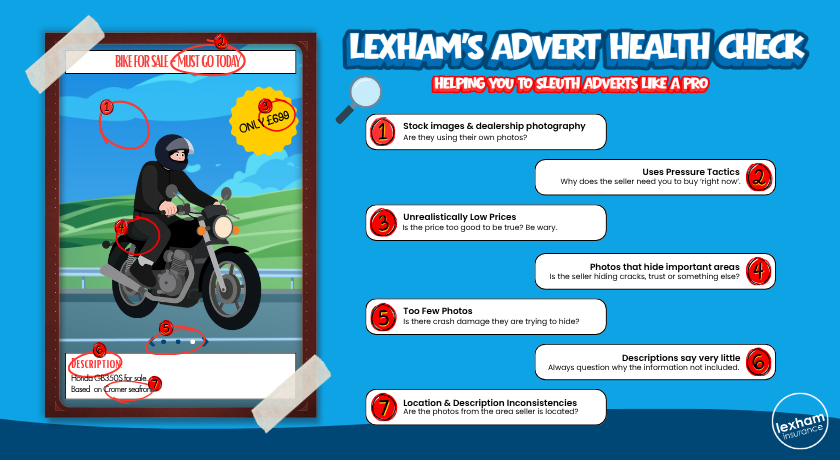
Here’s how to spot Sleuth a motorcycle advert like a pro and know exactly what you should be looking out for:
Photos That Raise Concern
Photos usually tell me quite a lot before I've even spoken to a seller, so look beyond the paintwork and check tyres, chain, brakes, dashboard, number plates and any obvious damage, while giving more confidence to adverts with clear photos from both sides, close-ups of consumables and honest pictures of cosmetic marks.
One or two blurry photographs, night-time shots, old screenshots, copied images or carefully cropped pictures should make you ask questions before arranging a viewing. If the photos, advert wording, seller's explanation and paperwork don't tell the same story, I'd stop and investigate before going any further.
Missing Information
Good adverts answer most questions before you pick up the phone, including mileage, ownership history, service records, number of keys, MOT status, modifications and basic condition, and if those details are missing while the seller also avoids clear photos or simple answers, I'd be wary.
A brief advert isn't automatically suspicious, but missing details still put more work on you as the buyer, especially as cloned advertisements, fake documents, copied images, unexplained registration details and sellers who avoid basic questions all rely on buyers rushing past inconsistencies before checking whether the advert, seller, motorcycle and paperwork broadly agree.
Unrealistically Cheap Pricing
Everybody loves the idea of finding a bargain, and I'd be lying if I said I haven't been tempted by suspiciously cheap motorcycles myself, but most bikes are priced roughly where they should be and, if one is much cheaper than similar examples, there is usually a reason.
Sometimes the reason is harmless, such as a quick sale, lack of storage space or a new bike arriving, but sometimes the low price is masking mechanical issues, paperwork concerns or expensive work waiting around the corner, so I'd want to know exactly why it's cheap before getting excited.
Seller Communication Red Flags
The seller often tells you almost as much as the motorcycle itself. Somebody who has owned a bike for years, maintained it properly and cared for it will usually have no problem discussing its history, answering direct questions, sending extra photographs and explaining the strengths and weaknesses without becoming defensive.
Vague answers, changing stories or excuses for missing paperwork get my attention quickly. Genuine confidence comes from evidence, not explanations. I've seen scams involving deposits before viewings, refused collection, overseas sellers, fake delivery or courier arrangements, pressure to transfer money immediately and evasive answers about VIN or registration details. My rule is simple: if somebody won't let you inspect the motorcycle properly, verify the paperwork or ask reasonable questions before payment, I'd stop the process.
Questions to Ask Before Viewing

Some of the most useful checks happen before you leave home. Before arranging a viewing, I'd ask how long the seller has owned the motorcycle, why they're selling it, how many previous owners it has had, whether it has been dropped or crashed, whether there are any current faults or warning lights, when it was last serviced and whether tyres, brakes, chain or sprockets will need attention soon.
I'd also want to know whether both keys are present, whether the V5C is available, whether service records come with it, whether any modifications have been carried out, whether finance is outstanding and whether there is anything else I should know before viewing. The answers should help you decide whether the viewing is worth your time.
Knowing When to Walk Away
Walking away is one of the most underrated buyer skills. Many people become emotionally committed to a motorcycle before they've finished evaluating it, or feel pressured by the seller. Once you've imagined the bike in your garage and planned the ride home, it's easy to explain away faults that would normally concern you.
I've viewed plenty of bikes and left them behind when something didn't add up, and although it can feel frustrating at the time, I've rarely regretted trusting my instincts when several concerns point in the same direction.
Where Should You Buy a Motorcycle?
| Place to Buy | Pros | Cons |
| Main Dealer | Warranty, support, preparation standards, consumer protection | Higher prices |
| Independent Dealer | Good balance of choice and reassurance | Standards vary |
| Private Seller | Often the best value for money | Fewer protections |
| Facebook Marketplace | Local bargains and easy viewings | Higher scam risk |
| eBay | Huge range of bikes available | Listing quality varies |
| Motorcycle Forums | Enthusiast-owned motorcycles | Smaller marketplace |
| Auctions | Potential bargains | Limited inspection opportunities |
Main Dealers
Main dealers are usually the easiest route to buying a motorcycle because they typically prepare machines before sale, offer some level of warranty and provide stronger consumer protection than private sellers, although that reassurance is normally reflected in the asking price.
Independent Dealers
Independent dealers sit somewhere between main dealers and private sellers, offering reassurance and accountability while still keeping prices competitive, though standards vary and a well-respected independent dealer can be every bit as reliable as a franchised showroom while a poor one can create just as many problems as a questionable private sale.
Private Sellers
Most of my motorcycle purchases have come through private sellers. That is often where the strongest value sits, and dealing directly with the owner can tell you a lot about the bike's history and maintenance. If somebody appears to be selling multiple bikes while presenting the sale as private, I'd slow down and make sure I understood who I was actually buying from.
Facebook Marketplace
Facebook Marketplace has become popular because it's simple, local and full of motorcycles, but that convenience brings more risk, so verify the seller, check the advert is genuine and be careful with payment arrangements.
When using Marketplace, I'd pay just as much attention to the seller as the motorcycle itself. Scams, cloned listings, suspicious accounts and copied photographs do appear. If a seller pushes for a deposit before viewing or tries to rush you away from basic checks, treat it as a warning sign.
eBay
eBay remains one of the largest motorcycle marketplaces and is useful for comparing values across the country. The number of listings can show what particular models are being advertised for and what sellers hope to achieve. Still inspect the bike, review the paperwork and run a motorcycle history check where appropriate.
Motorcycle Forums
Forum-owned motorcycles can be attractive because many sellers have documented their ownership publicly, allowing buyers to see years of maintenance history, modifications and discussion before arranging a viewing, which makes it easier to assess both the motorcycle and the owner.
Auctions
Auctions can offer opportunities, but they add risk because inspection time is often limited, so set a strict budget and be honest about what you cannot check before bidding.
How to Inspect a Motorcycle in Person

When the time comes to view the bike you’re interested in, you want to be clued up and able to spot any faults that may occur.
First Impressions
If you've ever wondered, ‘how do I inspect a used motorcycle properly?’, start with the bigger picture before zooming in on individual components, looking for signs that deserve further investigation rather than expecting yourself to spot every mechanical fault on the driveway.
General condition, cleanliness and consistency say a lot about ownership, and a well-kept motorcycle often feels different before you've even touched it, while neglected machines tend to reveal themselves quickly.
Signs of Accident Damage
Accident damage isn't always obvious. Repairs vary hugely in quality, so look for clusters of evidence: scraped bar ends, bent levers, damaged footpegs, scuffed engine covers, marked exhausts, replacement panels, paint differences, uneven panel gaps, damaged fasteners, fresh paint in odd places, fork damage or anything around the frame that doesn't look consistent with normal use.
One mark doesn't prove a serious crash, as motorcycles pick up cosmetic damage from garage drops and low-speed mishaps, but several unrelated signs pointing in the same direction deserve proper attention and, if the damage, seller's explanation, paperwork and condition don't make sense together, I'd walk away or get a specialist inspection.
Frame Checks
The frame is one area where I'd slow down, as cosmetic issues can often be repaired while structural issues are different, and fresh paint in isolated areas, strange welds, damaged fasteners, uneven alignment, notchy steering or repairs that don't match surrounding sections all need careful investigation before you decide whether a specialist inspection is needed.
Tyres and Brakes
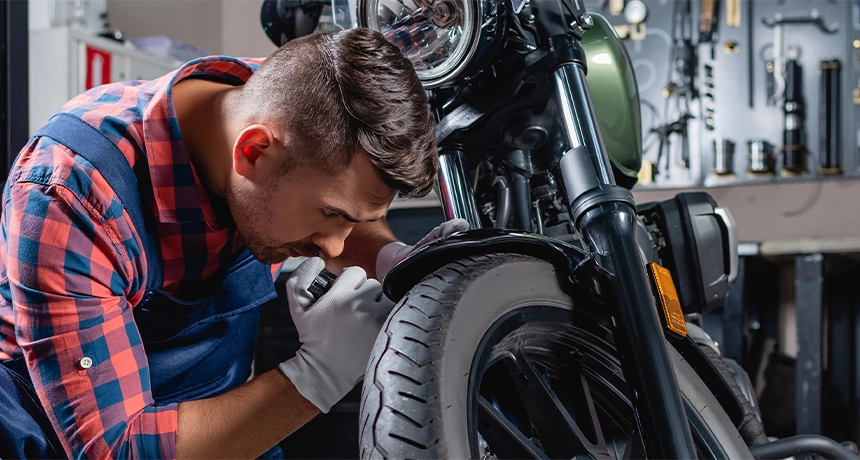
Tyres and brakes tell you plenty about how a motorcycle has been maintained, as they are key consumables and impossible to ignore when replacement is due, so whenever I'm viewing a bike I check tread depth, tyre age and wear while treating heavily worn, cracked or mismatched tyres as a sign that maintenance may have been driven more by cost than care.
The same applies to the braking system, where badly worn discs, neglected brake fluid, spongy feel at the lever or pads near the end of their life all mean future spending, while neglected safety-critical items deserve closer inspection and a supposedly meticulously maintained bike shouldn't be full of obvious avoidable issues.
Suspension
Suspension is easy to glance over because it isn't as eye-catching as paintwork, mileage or accessories, yet it deserves proper attention: fork legs should be free from serious corrosion, fork seals shouldn't be leaking, outer dust seals shouldn't be cracked or perished, and the suspension should feel controlled rather than vague, bouncy or unsettled when you compress it.
Suspension work can get expensive quickly, and while some age-related wear is normal on older motorcycles, excessive corrosion, leaking seals, notchy steering, rough wheel movement or obvious neglect would make me question how well the rest of the motorcycle has been maintained.
Chain and Sprockets
The chain and sprockets are always worth checking, as excessive rust, tight spots, poor adjustment or hooked sprocket teeth suggest routine care hasn't been a priority and give you a real cost to factor into the price while also making you look more closely at the rest of the bike.
Electrical Systems
Modern motorcycles rely heavily on electrical systems, and although most are reliable, faults can be frustrating, time-consuming and expensive to trace, so spend a few extra minutes checking the lights, indicators, horn, dashboard, switches, warning lights, throttle operation, clutch switch behaviour where relevant and any accessories fitted by previous owners.
This is also an area where modifications deserve close attention, as heated grips, phone chargers, extra lighting and security devices can all be useful when installed properly, while untidy wiring, electrical tape everywhere, unexplained warning lights or amateur-looking accessories would make me much more cautious and tell me blind trust is not good enough.
Starting and Listening to the Engine
Ideally, I'd like to hear a motorcycle start from cold. You can check whether it has been warmed up by feeling near the engine or exhaust for heat, but don't touch the engine or exhaust pipes directly due to burn risk. Excessive smoke, unusual rattles, hesitant starting, warning lights, oil or coolant leaks, strange exhaust noises or noises that disappear once the bike warms up all need investigating.
Test Ride Considerations
A test ride often tells you more than a static inspection because it lets you assess comfort, handling, braking, clutch operation, gear selection, throttle response and general feel, and if a motorcycle that looks perfect on paper simply doesn't feel right once you're riding it, treat that as useful buyer information rather than forcing yourself to like a bike just because you've travelled to view it.
Understanding the Paperwork
It’s best to understand the paperwork you need to be able to make sure it’s all correct.
V5C Checks
The V5C is one of the first documents I'd want to see because it helps establish whether the motorcycle, the paperwork and the person selling it all match up, although a V5C is not proof of ownership on its own and paperwork still deserves as much attention as the bike because questionable documents are far easier to walk away from than ownership problems after payment.
The seller's details should match the V5C and the motorcycle should match the document, so if somebody is selling a bike on behalf of a friend, a relative or ‘a mate who isn't around at the moment’, I'd slow things down and ask more questions before letting money change hands.
I went to look at a Transalp 700 years ago, and although it looked fantastic in the advert, sounded great over the phone and initially appeared to be exactly what I wanted, small inconsistencies started appearing once I compared the paperwork with the information I'd been given, and the explanations never really satisfied me, which reminded me that documentation tells its own story if you spend a few minutes reading it properly.
The golden rule is simple: do not simply ask whether the paperwork exists; check whether the registration, V5C, VIN, MOT mileage, service history and seller's story all broadly make sense together. If the details don't line up, stop and work out why. Motorcycles come and go, but paperwork problems can be much harder to resolve after money has changed hands.
MOT History
The MOT history can tell you more than the current MOT certificate itself because it shows how the bike has been maintained over time, with minimal advisories suggesting careful ownership and repeated advisories for tyres, brakes or suspension components pointing to delayed maintenance.
MOT history creates an independent record that isn't influenced by the seller. If somebody says the motorcycle has only needed routine servicing but the MOT history tells a different story, dig deeper before making assumptions.
Service Records
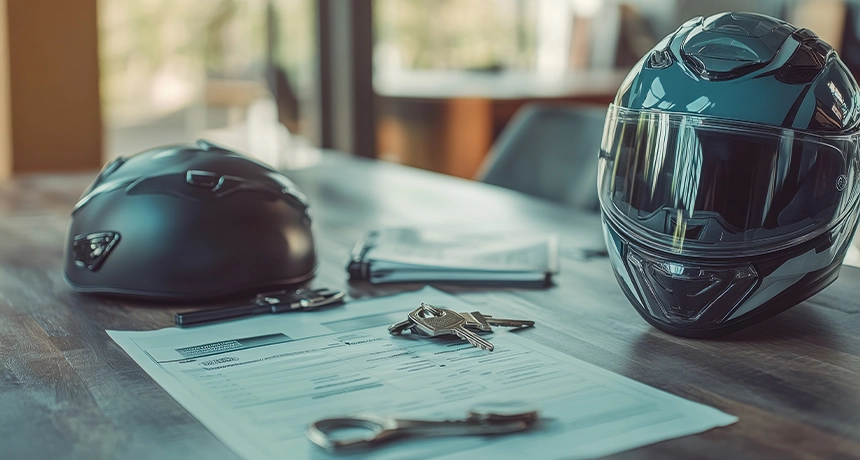
Good motorcycle service history gives buyers confidence by showing routine maintenance has actually been carried out rather than simply talked about, and while I don't expect every owner to keep every receipt from day one, I do like seeing invoices, service stamps and documentation that show where money has been spent on the motorcycle.
In my experience, sellers who genuinely look after their bikes are usually proud of their service records and happy to talk you through major work that's been completed, such as valve clearance adjustments. A complete lack of documentation means you're being asked to make more assumptions than you should.
Outstanding Finance
Outstanding finance is easy to overlook until it's too late. Carrying out a motorcycle history check removes that uncertainty. Most bikes are owned legitimately, but I wouldn't rely on the seller's word alone.
For the relatively small cost involved, a proper history check can provide useful information about outstanding finance, insurance write-off history, stolen status, registration details, VIN information and possible mileage discrepancies. It doesn't replace a physical inspection, but it reduces a different type of risk and is usually money well spent before committing to a purchase.
VIN Checks
The Vehicle Identification Number, or VIN, acts like a fingerprint for the motorcycle and helps confirm that the bike you're viewing is the same one referenced in the paperwork, with inconsistencies here pointing to far bigger issues than simple admin mistakes.
Recalls
Manufacturer recalls are worth checking because they are issued for known faults or safety concerns, so if recall work is outstanding, confirm what needs doing before you buy.
A seller may not know about outstanding recall work, especially if they've owned the motorcycle for several years. Verify it yourself rather than relying on memory.
Previous Ownership
The number of previous owners gets plenty of attention, but I care more about the story behind the ownership. I've seen motorcycles with several owners that were maintained beautifully, and single-owner examples that clearly hadn't been cared for. Ownership history should inform the decision, not make it for you.
What Motorcycles Should You Avoid?

Make sure to avoid motorcycles that seem a little suspicious or don’t/can’t give you everything you need.
Missing Paperwork
Missing paperwork is a serious warning sign because it creates uncertainty at the exact moment you need confidence, and if ownership and history cannot be verified properly, I'd have serious reservations about proceeding however good the motorcycle looks in photographs or in person.
Poorly Modified Bikes
Modifications can be fine when they are fitted properly and make sense for the bike. The problems start with upgrades that look poorly thought out, incomplete or badly installed. Bad modifications can create new faults and make existing ones harder to diagnose. One thing I've noticed is that careful owners tend to approach modifications with the same attention to detail they apply to maintenance.
Incomplete Projects
Project bikes can be tempting when they look cheap beside complete motorcycles, but there is usually a reason the previous owner stopped halfway through, whether life got in the way or the bike became more complicated, expensive or frustrating than expected.
Unless you're specifically looking for a project and have the skills, time, and budget to finish it properly, I'd buy a motorcycle that's already ready to ride.
Unexplained Accidental Damage
Motorcycles get dropped, and accidents happen, so previous damage wouldn't immediately concern me. Unexplained, poorly repaired or inconsistent damage would. A small mark from a garage drop is very different from panels, levers, engine cases and frame areas all pointing to a harder impact than the seller wants to discuss.
A seller who openly discusses previous damage, shows photographs of repairs and provides documentation usually gives me far more confidence than somebody who insists they have absolutely no idea where obvious marks came from.
Suspiciously Cheap Motorcycles
I'd be lying if I said suspiciously cheap motorcycles don't still catch my attention because finding a bargain appeals to every rider, but genuine bargains usually have a logical explanation while suspicious bargains come with uncertainty, so if the price looks dramatically better than everything else on the market, spend extra time understanding why before proceeding.
Getting Better at the Deal

Everyone wants to get the best deal out there, but how you do it is important…
Researching Market Value
Successful negotiation starts long before you meet the seller, as knowing what comparable motorcycles are selling for gives you a realistic foundation and means you can look at similar bikes, mileage ranges, service history and condition before discussions begin rather than relying on confidence alone.
Using Inspection Findings
Negotiate from evidence rather than emotion, as good negotiation is less about chasing the biggest discount and more about understanding what you're buying and whether the price reflects its condition.
Market value, condition, upcoming costs and history all support a sensible negotiating position. Worn tyres, brake components nearing replacement, a major service, missing records, cosmetic damage, outstanding repairs, missing keys or poor MOT history are all reasonable points to discuss. “I'll give you this because that's all I have” might be honest, but it doesn't prove what the motorcycle is worth.
Negotiating with Private Sellers
Private sellers are often easier to negotiate with as you're speaking directly with the owner and there are usually fewer processes involved, although respect still goes a long way and polite conversations nearly always produce better results than aggressive offers or picking apart every element of the motorcycle.
Most sellers know roughly what their motorcycle is worth, so unrealistic offers rarely achieve much beyond creating frustration.
Negotiating with Dealers
Dealers may have less flexibility on headline pricing, but negotiation is still possible. In some cases, you can discuss servicing, consumables, accessories or other additions that improve the value of the package. Know what matters to you before the conversation starts.
Walking Away
Walking away is the strongest negotiating position available because it removes the emotional pressure that causes many buyers to make poor decisions, and once you've decided a motorcycle has to be yours, negotiation becomes harder, whereas being prepared to leave it behind usually means you'll find another opportunity sooner or later.
Common Negotiation Mistakes
Don't decide you want the motorcycle before you've properly evaluated it, as emotional commitment makes flaws easier to ignore and concerns easier to justify away, while the best purchases happen when enthusiasm and logic stay balanced.
Lexham's Guide to Buying a Motorcycle | Green Flag, Amber Flag, Red Flag System
Use the traffic-light system below as a quick way of judging what you've found.
| Green Flag | Amber Flag |
Red Flag |
| Complete paperwork and service history | Minor gaps in documentation | Missing paperwork and unclear ownership |
| Honest seller who answers questions openly | Seller unsure about some details | Conflicting explanations and evasive answers |
| Condition matches mileage and history | Age-related wear requiring attention | Damage that doesn't match the seller's story |
| History checks come back clear. | Minor concerns requiring further investigation | Outstanding finance, VIN concerns or suspicious records |
Sorting Insurance Before You Ride Away
Sorting insurance is a necessity before you ride away, and lucky enough for you, you can get a quote online with Lexham here!
Can you insure a motorcycle before collection?
Yes, you can insure a motorcycle before you collect it. I'd usually arrange cover before collection so the start date is agreed in advance and you're covered to ride the motorcycle as intended from the moment ownership changes.
The Documents You'll Need to Get Insurance
The exact documents required will vary depending on the insurer and circumstances. You'll usually need details about yourself, your licence and the motorcycle you want to insure. Having that information ready makes the process smoother and avoids last-minute delays on collection day.
Make Sure to Ride Home Legally
It's easy to become so focused on completing the purchase that the journey home becomes an afterthought. Before riding away, make sure you have the right licence entitlement, appropriate insurance, a roadworthy motorcycle, a valid MOT where required and suitable conditions to ride home safely. Excitement is no substitute for preparation.
Tax & Legal Requirements
Before riding on public roads, make sure the tax, MOT status and insurance are sorted. Vehicle tax does not transfer to the new keeper when a motorcycle is sold, so you need to tax it yourself before riding it on a public road. Most buyers know the basics, but collection day is not the time to rely on assumptions.
Buying a Motorcycle FAQs
So let’s answer a few frequently asked questions…
Is it better to buy a motorcycle privately or from a dealer?
It depends on your priorities, with dealers usually providing greater reassurance and consumer protection while private sellers often provide better value for money and more detailed ownership insight.
What Mileage Is Too High for a Used Motorcycle?
There isn't a universal mileage figure, as maintenance, condition and service history usually matter far more than the number on the odometer, and a well-maintained high-mileage motorcycle can be a better purchase than a poorly maintained low-mileage example.
Can I ride a motorcycle home after buying it?
Yes, provided that the motorcycle is insured appropriately, meets legal requirements, and you are legally entitled to ride it. Planning this beforehand is far easier than trying to arrange everything at the roadside after collection.
What Documents Should Come with a Motorcycle?
Ideally, you should expect ownership documentation, MOT records where applicable, service records, keys and any supporting paperwork that helps establish the motorcycle's history and maintenance.
Should I Buy a Motorcycle with No Service History?
I would approach it cautiously because the absence of service records creates uncertainty, and although the rest of the motorcycle may still be excellent, I'd want the condition and price to reflect the missing information before treating it like a clean, fully documented bike.
What's the biggest red flag when buying a used motorcycle?
The biggest red flag when buying a used motorcycle has to be a missing V5C logbook or tampered/missing VIN.
However, those aren’t the only warning signs to look out for. There are several other red flags that are just as important and could land you in trouble if ignored:
- Missing keys or V5C
- No service history or evidence of maintenance
- Repeated MOT failures or unresolved advisories
- Signs of crash damage, poor repairs or structural concerns
- Mileage inconsistencies or signs of tampering
- Unrealistically cheap or significantly overpriced without justification
- Mismatched numbers
- Not in Seller’s name