The prospect of getting on a larger-capacity motorcycle is an exciting proposition, especially for someone riding on a 125cc.
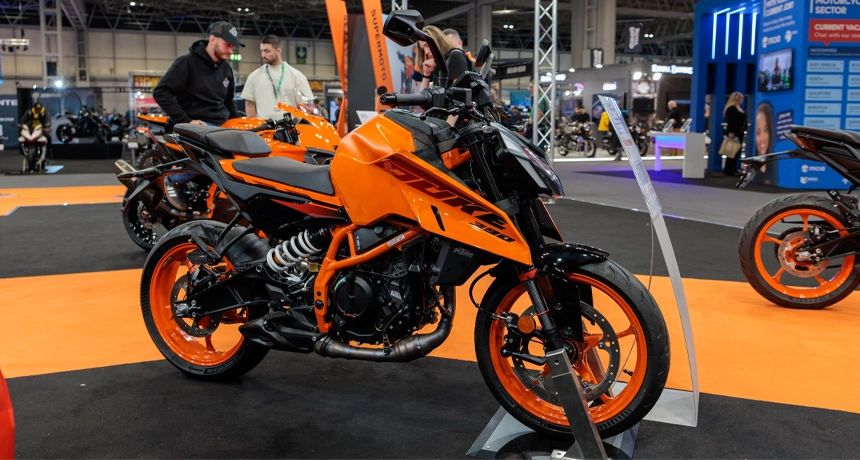
Once you hit 19 years of age, you will be permitted to ride bikes such as the Honda NX500, KTM 390 Duke, or even something like the Royal Enfield Shotgun 650 – to name a few.
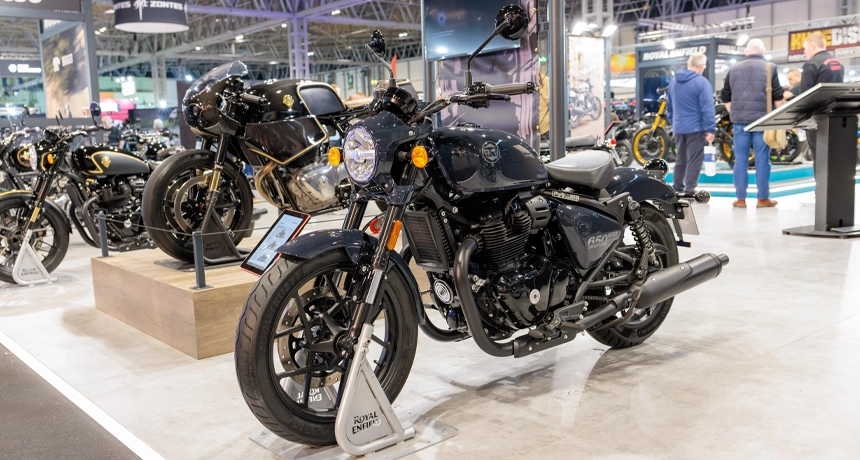
These bikes are ‘A2 compliant’, which means they produce up to and including 35kw or 47hp without exceeding the required power-to-weight ratio.
This isn’t the only route to something larger, though, as unbelievably (if you have the cash), you can also get your hands on something like the Ducati Panigale V2 at just 19.
Although there is a limitation – you need it in a restricted form, and that is what this article is all about!
The A2 Licence Explained
In the UK, we share our motorcycle licensing categories with Norway, Iceland, Switzerland and of course, the European Union (EU) member states, meaning we have AM, A1, A2 & A licences, which are available at different ages.
This being said, a few weeks ago the DVLA proposed changes (as of the 7th of January with consultation closing on the 31st of March 2026).
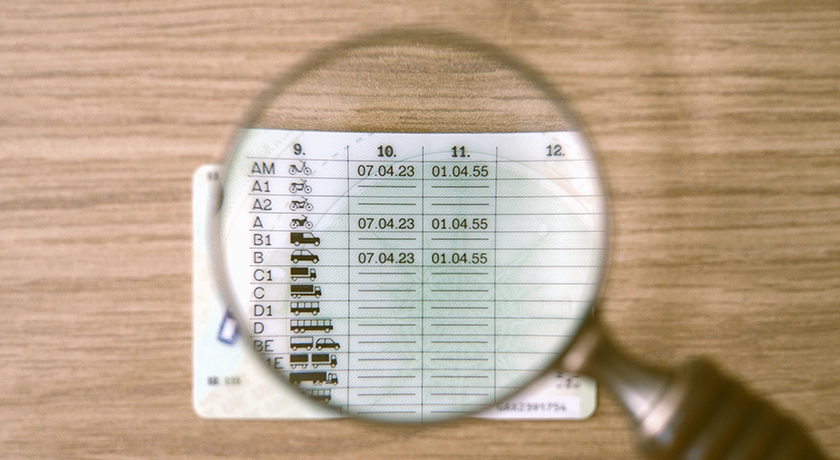
What is an A2 Licence?
Holding an A2 means you will need to hold a provisional licence, pass a Mod 1 and Mod 2 test as well as a theory test (& complete a CBT if you haven’t already got one), but once you have passed the relevant tests required for your A2 licence, you will then be allowed to:
- Ride A Motorbike/Scooter with a Power Output Of 35kw (47hp)
- Ride More Powerful Bikes That Have Restrictors Fitted
- Ride Without L Plates
- Carry a Passenger
- Ride On Motorways
Riding More Powerful Motorcycles with Restrictors Fitted
As I briefly covered at the start, being on an A2 licence doesn’t inherently mean you are stuck to bikes like the NX500 with 47hp as you can get a plethora of older machines, higher power machines or higher capacity machines with the caveat of a restrictor and some licensing requirements.
It’s important to remember that it’s not just outright horsepower you’re restricted on, as it’s the weight too and on top of this, the machine you’re restricting cannot make more than 94hp or 70kw (double the power) before restriction.
Power to Weight Ratios
It can get tricky and complicated if you deep dive into power-to-weight ratios, but to keep it as simple as possible, here in the UK, we’re allowed a power-to-weight ratio of no more than 0.2kW per kg or in a more friendly term, 268hp per tonne.
Power-to-weight ratio is calculated by dividing the vehicle’s power output by its total mass or weight. So, if you have a 47hp bike, it can weigh no less than 175kg (unladen, wet, or kerb, not 'dry'), which is where naturally A2-compliant bikes like the KTM 390 Duke come in handy.
How to Calculate Your Own Power-to-Weight Ratio
To calculate your own power-to-weight ratio and make sure your bike is legal, take your power output, i.e. KTM 390 Duke – 44.3hp & divide it by the weight - 165kg. This gets you the horsepower per kilogram (0.268), but for a tonne (1000kg), you’ll then need to multiply this figure by 1000 to equal 268hp/tonne.
Top Tip
The key thing to remember is that if you’re restricting a bike that makes more than 47hp, it must not produce more than 94hp in stock form, and once restricted to 47hp it must weigh at least 175 kg (factory figure) to stay within the legal A2 power-to-weight ratio.
Adding weight or accounting for age-related power loss does not count either; it is the specs from the factory.
Exceptions to the Rules | More on Power and Weight
The exception to the horsepower restriction is factory-restricted models like some of Ducati’s models, for example, as they are sold as 47hp (35kw) from the factory, even though they produce in excess of 94hp in full power format.
A good example of a bike you would initially expect to be compliant is the classic (& rather tasty) 1980 Yamaha RD350 LC.
Here, we have a bike that makes 47hp, so right on the money for the power. Perfect! You may think. However, it weighs 149kg wet (with fluids), putting the power-to-weight ratio at a whopping 315hp per tonne – illegal for an A2 licence despite it being 47hp.
Another bike that comes to mind, which pushes the restrictions right to the limit, is the Aprilia Tuono 457. With a wet weight of 175kg and a power of 47hp (35kw), it is cutting it as fine as you can legally get on an A2.
Whatever bike you choose, always remember it’s not all about being 47hp or under; it’s the weight too.
The Different Types of Restrictors
Depending on your type of motorcycle and how old it is, there are a variety of different types of restrictors available. For example, older bikes likely run on carburettors instead of electronic fuel injection, so you’ll have to get inlet plates.
These are (in simplistic terms) a piece of a metal plate cut to the correct diameter to fit in the inlet pipes, with a specific size hole designed to produce 47hp instead of your original power output.
The same principle applies to other machines, too, except they may require an electronic restriction via the ECU (Electronic Control Unit – effectively the brain of the machine), an exhaust restriction or a throttle stop, which sounds as simple as it is, as it quite literally prevents the throttle from being opened the entire rotation.
Typically, there will only be one type available for your machine because every bike needs a different type of restrictor.
Typical Cost of Restricting a Motorcycle
The costs vary for every motorcycle as every motorcycle needs a different restrictor type, but we can generalise to give you an idea.
If you’re purchasing your motorcycle through a dealership, Triumph charges £157 for its kit, whereas Ducati seem to charge the same price whether you opt for their full power or 35kW versions. If you’re fitting it yourself, though (or sourcing it yourself), Kickstart Engineering charge £67.57 for their kits covering a wide range of makes and models.
Of course, getting a recognised specialist to fit the kit for you at a garage will cost extra too, but given it is a legal requirement, it might be worth spending the extra to make sure it's done right.
Can I fit a Restrictor Myself?
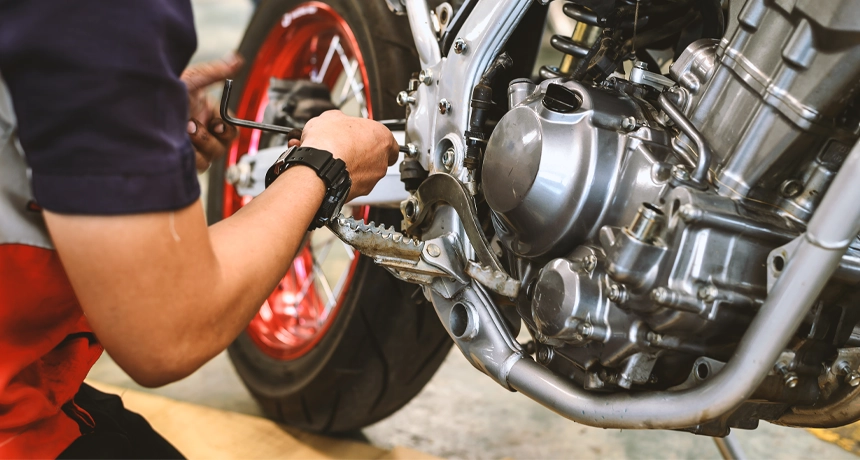
The short answer is yes, of course! It is completely legal, but there are some important caveats worth mentioning.
Knowing Your Stuff
First off, you must, of course, be competent as some kits require you to access carburettors, the airbox or even the ECU.
This is just an example but expect to have to take a good bit of bodywork off before you can even get to fitting the kit. If you’re unsure, it’s best to consult a garage and get a price from them.
The Test Restrictions
The other downside to fitting a kit yourself is that it will not be accepted by a test examiner if you plan to use your own bike on your test, and it will most likely result in your test being cancelled.
The Insurance Implications
The third and final downside to self-fitting is that some insurers won’t cover motorcycles with a kit that hasn’t been fitted by a main dealer, official importer or a recognised specialist.
Our Advice
If you’re considering buying a motorcycle in excess of 268hp/tonne or in excess of 47hp, your safest bet is to get a competent and recognised specialist to fit the kit for you, either that or getting a main dealer to fit it for you when you purchase.
Always keep a copy of your certificate handy as well and make sure it's to hand for your insurance company too.
If I Can Get Something Already A2, Why Get Something Bigger?
If you’re now at a point where you’re wondering why you would get a bike above the specified power-to-weight ratio or above the power threshold of A2, like the Kawasaki Ninja 650, when options like the Kawasaki Ninja 500 SE exist, then don’t forget, A2 doesn’t have to last forever.
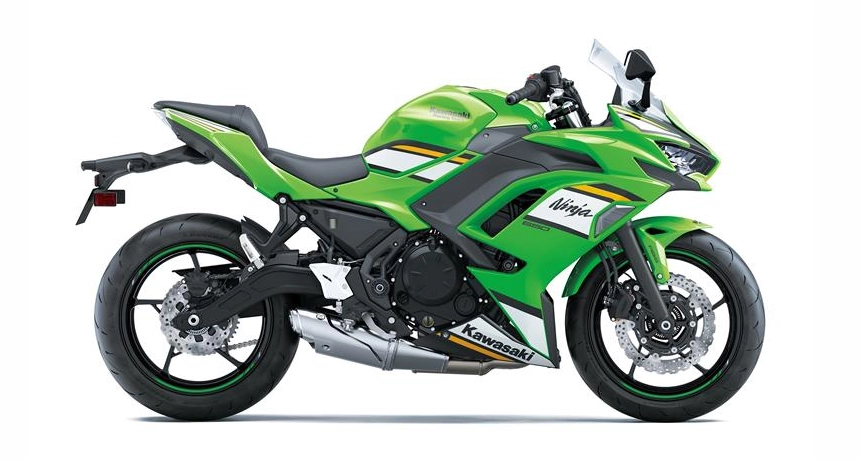
After two years of being on your A2 licence, you can go for your DAS (Direct Access) at just 21 instead of the usual 24, and if you purchase a larger machine to begin with and plan to keep it for a while, this is the ideal choice as it means you won’t need to go out and spend extra on a totally different machine if you want more power but instead, removing the restrictor on a bike you’re already familiar with.
Lexham Top Picks | Best A2 Motorbikes
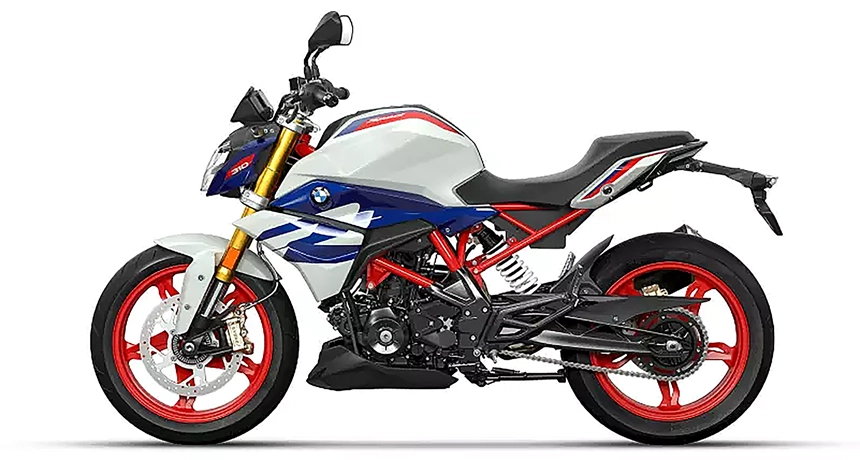
As covered in our recent guides to the Top 10 Best A2 Sports Bikes for 2026, the Top 10 Best A2 Bikes Under £3K for 2026 & the Top 10 A2 Adventure Bikes for 2026, the CFMOTO 450MT, Aprilia RS 457 & BMW G310R prove to be excellent choices for riders seeking a machine that looks, rides and performs brilliantly without having to worry about a restrictor.
If having a larger, more powerful bike with a restrictor sounds appealing to you, though, then our guides cover them too, with examples such as the Honda NC750X & Kawasaki Ninja 650 proving popular (& having the bonus of being available in A2 power from the factory!).
The Roundup
So, there we have it. We hope this has now cleared up some of the confusion around A2 restrictors and enlightened you on some of the lesser-known requirements surrounding the legal side of things.
If you’re planning on levelling up to the A2 licence category, don’t forget about insurance too. You can get your motorcycle insurance quote direct with Lexham!